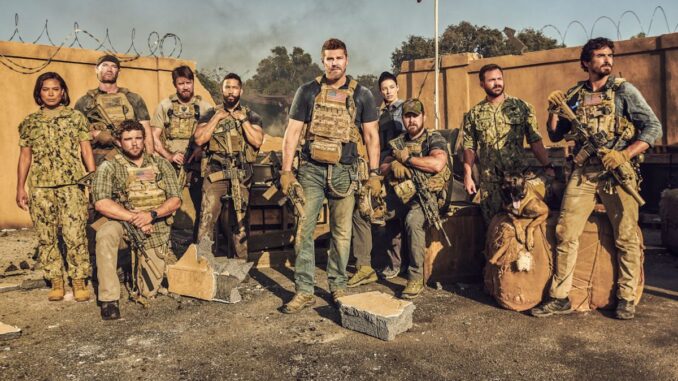
Why SEAL Team Won’t Return for Season 8 — And Why Its Ending Still Feels Powerful
Fans of the hit military drama SEAL Team have spent years following the Bravo Team through harrowing missions, personal losses, and the psychological battles that come with life on the front lines. So when news broke that Season 7 would be the final chapter, many wondered: Why stop now? After all, the show still had a loyal fanbase, a beloved cast, and plenty of narrative fuel left in the tank. But behind the scenes, several forces came together that ultimately shaped the decision to end the series—reasons that reveal as much about the changing world of television as they do about the show itself.
1. A Story That Earned Its Ending
Although fans would happily watch Bravo Team deploy for years to come, SEAL Team wasn’t a show designed to drag on indefinitely. From the beginning, the series anchored its storytelling in realism—both on the battlefield and inside the minds of its characters. Season 7 didn’t just wrap up a few plotlines; it offered meaningful closure to long-running arcs involving trauma, healing, leadership, and brotherhood. Jason Hayes’ journey toward self-forgiveness, Ray Perry’s path toward a new purpose, and the team’s emotional evolution all made Season 7 feel like the right time to land the plane. Rather than stretching the narrative thin, the creators chose a finale that respected the characters and the audience, giving Bravo Team the dignified ending they deserved.
2. A Shifting Television Landscape
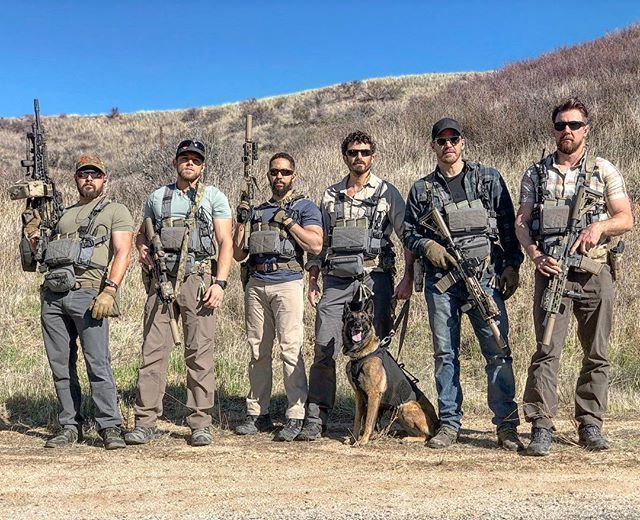
The world of TV has changed dramatically since SEAL Team debuted on CBS. As streaming platforms reshaped the entertainment industry, traditional network shows faced new pressures—financial, creative, and competitive. SEAL Team’s shift from CBS to Paramount+ was a bold move that gave the series more freedom, but it also highlighted the realities of modern television: even successful shows must adapt or conclude. With streaming platforms prioritizing new and original programming, renewing a long-running, high-cost series becomes more challenging. In many ways, SEAL Team became a symbol of how much the TV industry has evolved.
3. Rising Production Costs in a High-Stakes Series
Military dramas are not cheap to produce—and SEAL Team was one of the most ambitious of its kind. Realistic combat sequences, authentic tactical equipment, on-location shooting, and a cast that delivered physically demanding performances all contributed to rising budget needs. While the series maintained a dedicated fanbase, the financial equation grows more complicated after six or seven seasons. As costs climb and profit margins tighten, even critically respected shows face tough renewal decisions. SEAL Team was no exception.
4. The Uncertain Future of Key Cast Members
For many fans, SEAL Team is inseparable from David Boreanaz’s commanding performance as Jason Hayes. His leadership, vulnerability, and intensity were the emotional backbone of the series. But after seven seasons—and decades of leading major TV shows—Boreanaz may be ready for fresh creative challenges. The same is true for other cast members, who have grown tremendously over the show’s run and may wish to pursue new roles or personal milestones. While no official departures were announced, cast availability is often a major determining factor in a show’s longevity. Without its core team intact, SEAL Team simply wouldn’t be the same show.
5. Creative Freedom for New Beginnings
Just as Bravo Team members learned that growth sometimes requires stepping away, the creators behind SEAL Team may have recognized that it was time to chase new stories. The writers, directors, and producers who helped shape the show for seven seasons now have opportunities to explore different worlds, new genres, and fresh perspectives. And fans can already see David Boreanaz moving forward with a new series that continues his trademark blend of strength, emotional depth, and leadership—proving that his journey, like Bravo’s, is far from over.
A Goodbye That Isn’t Really Goodbye
While it’s hard to accept that Season 8 isn’t happening, the legacy of SEAL Team is already secure. The series delivered not just action, but heart. Not just missions, but meaning. It honored the sacrifices of real-world service members, opened conversations around mental health and military life, and built a global fan community that continues to celebrate its impact.
And with talk of a potential standalone SEAL Team movie still circulating, there’s hope that the story of Bravo Team isn’t finished—just waiting for the right moment to return.
For now, fans can look back on seven powerful seasons knowing one thing for certain: SEAL Team didn’t end because it ran out of story.
It ended because it told that story well.