The series SEAL Team, after seven intense seasons, concludes not with explosions or heroic last-stand sacrifices, but with a quiet, contemplative farewell. It is an ending shaped by humanity rather than spectacle — a fitting closure for a story that has always dug deeper than the surface of military action.
Throughout its run, the show followed Bravo Team through countless missions where danger felt like a constant companion. Yet what made SEAL Team truly resonate with viewers was not the firefights, but the emotional honesty beneath the armor: the trauma, the brotherhood, the doubt, and the resilience that defined each warrior. As the final season unfolds, the series chooses not to glorify endless combat, but instead to explore what happens when soldiers must confront the cost of years spent on the front lines.
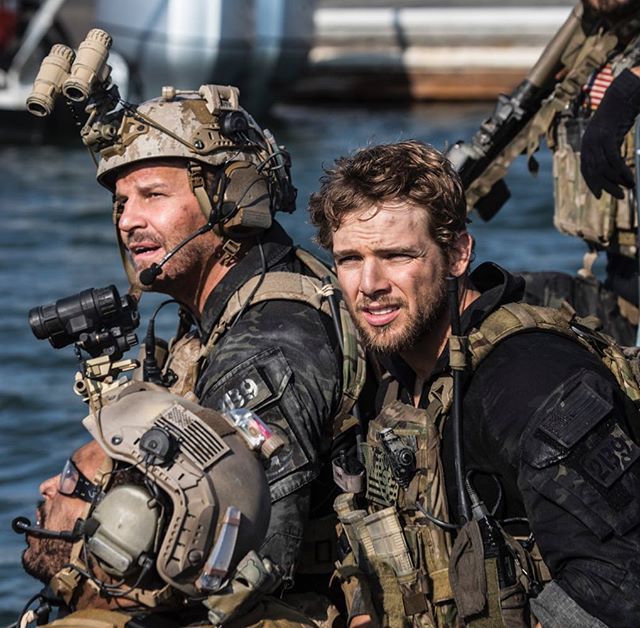
Jason Hayes, the heart of the team, embodies this theme most powerfully. After years of traumatic brain injuries and the psychological weight of command, Jason is forced to acknowledge what he has long tried to ignore — that even the strongest warriors cannot carry the world forever. His decision to step away from active duty and become a mentor marks a profound moment of self-realization. Jason does not walk away defeated; he walks away evolved. He leaves the battlefield not in tragedy, but in peace, having accepted that his legacy will continue through those he trains.
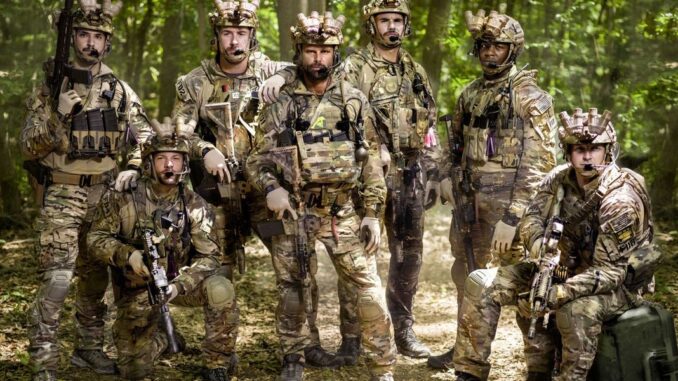
The rest of Bravo Team finds closure in their own ways. Sonny sets aside his recklessness to embrace fatherhood with unexpected tenderness. Ray finally lays down his burdens, choosing a calmer life dedicated to supporting fellow veterans. Brock, Trent, Omar, and the others move toward futures that are open, hopeful, and — importantly — free from unnecessary sorrow. The writers deliberately choose healing over heartbreak, honoring the sacrifices made by real-world special operators.
What makes the finale so moving is its authenticity. SEAL Team recognizes that true heroism does not always come from dramatic sacrifice. Sometimes, the bravest act a soldier can make is stepping away, allowing themselves to heal, and learning how to live a life not defined by war. The show rejects the myth that warriors must die gloriously to be remembered. Instead, it honors them with something far more meaningful: the chance to keep living.
Bravo Team, therefore, does not fade — it transforms. Its spirit persists in the new recruits Jason guides, in the memories of their fallen brothers, and in the quiet victories earned through survival. The ending is not a goodbye, but a respectful bow to the real men and women whose lives inspire stories like this.
In its final moments, SEAL Team reminds us of a universal truth:
Every war must end, but courage, brotherhood, and sacrifice never vanish.
Through a gentle, heartfelt conclusion, the series leaves behind a legacy that reaches far beyond the battlefield — a tribute to the resilience of those who serve and to the enduring strength of the bonds they forge.