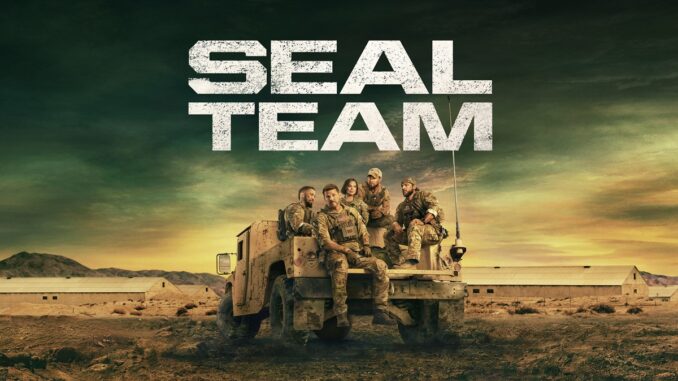
At first glance, SEAL Team looks like a high-adrenaline military drama packed with explosions, classified missions, and fearless heroes. But beneath the gunfire and tactical precision lies a far more unsettling story — one that exposes the emotional and psychological price paid by America’s most elite warriors.
The series follows Bravo Team, a tight-knit unit of Navy SEALs sent into the world’s most dangerous conflict zones. Every operation is life-or-death, every mistake irreversible. As missions grow deadlier, the show refuses to glamorize war. Instead, it forces viewers to confront the reality behind the medals: impossible choices, moral gray zones, and orders that haunt long after the battlefield goes quiet.
What truly sets SEAL Team apart is what happens when the soldiers come home. The war doesn’t end — it follows them. Broken marriages, strained relationships, survivor’s guilt, and untreated trauma begin to surface, threatening to tear the team apart from the inside. Loyalty is tested, leadership is questioned, and even the strongest operators start to crack under the weight of constant sacrifice.
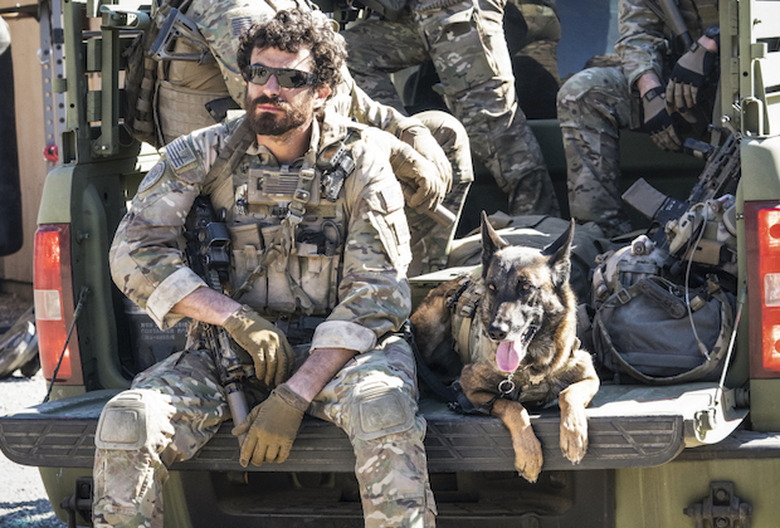
As seasons progress, SEAL Team grows darker and more honest, asking uncomfortable questions most action dramas avoid: How much can one person give before there’s nothing left? And is saving the world worth losing yourself in the process?
By stripping away the myth of invincible heroes, SEAL Team delivers a raw, emotional punch — proving that the most dangerous battles aren’t always fought with weapons, but within the minds of those sworn to protect others at all costs.