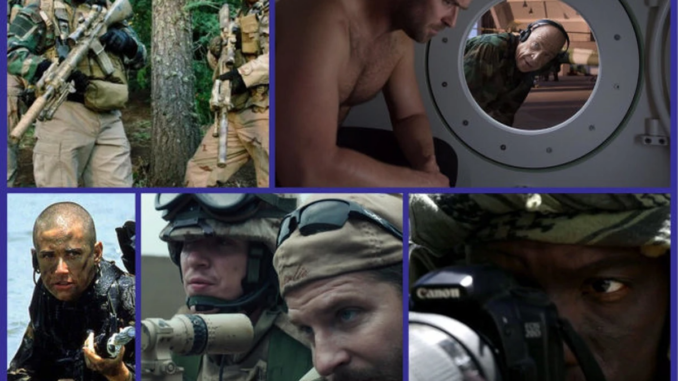
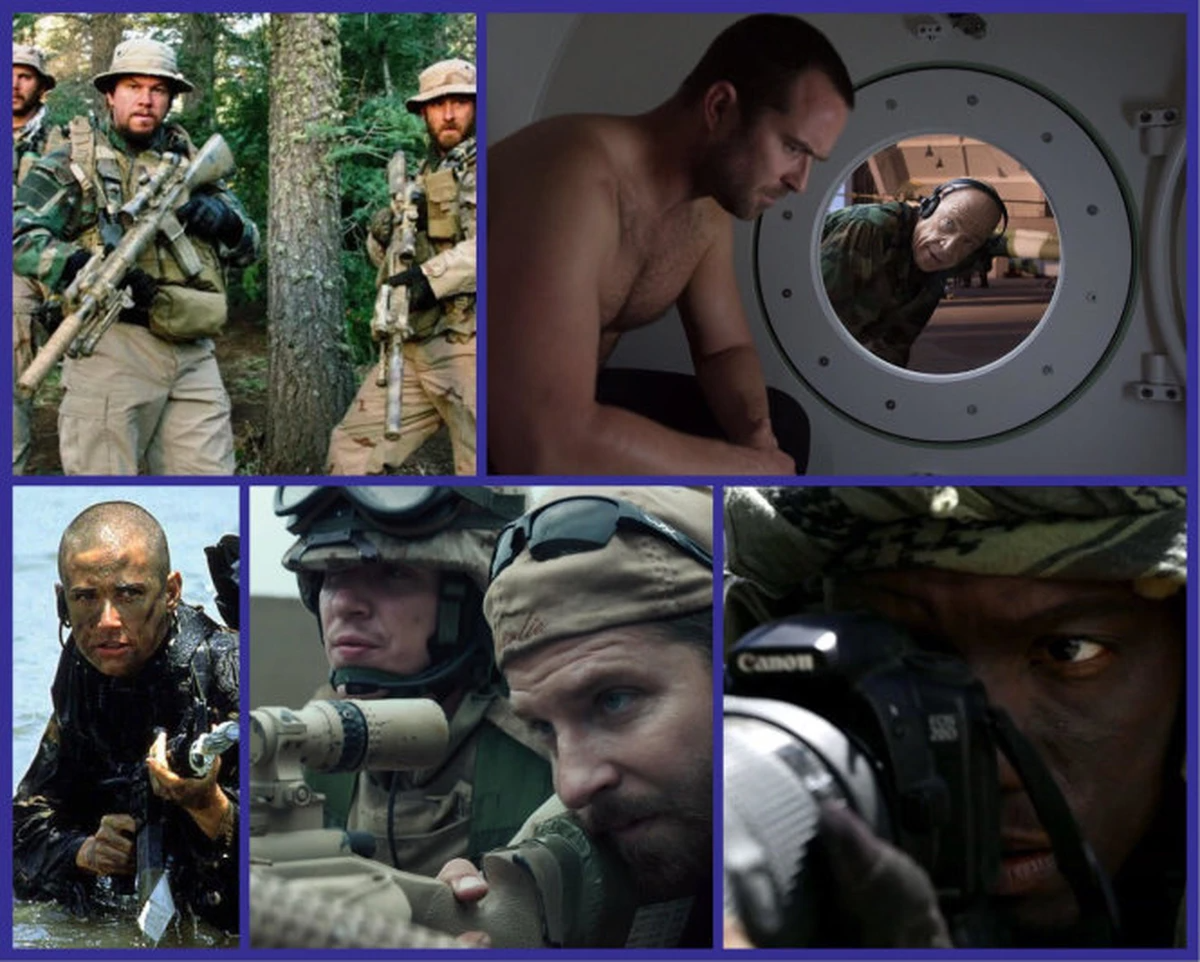
 Honoring American soldiers from a humanitarian point of view
Focusing on the person behind the uniform, not just the combat actions
The character Jason Hayes (season 1) clearly shows PTSD, psychological pressure, and family crises
The film depicts how war leaves long-lasting scars, not complete victory
→ The film respects individual sacrifice and does not directly glorify war
- Indirectly promoting war
Bravo team’s missions are often described as necessary and just
Little analysis of the political and historical context of conflicts
The opposing side is portrayed simply, lacking depth
→ The film risks normalizing military actions
- Impact on the perception of young audiences
The film can foster goodwill towards the military and military campaigns
At the same time, it also makes viewers more concerned about the psychological consequences of war
→ The impact is two-sided, depending on how viewers interpret it

- Just an entertainment product, not intended for political purposes
The film belongs to the action – long TV series genre
The content is designed to evoke emotions and tension, not to analyze war
Debates about propaganda may be an overinterpretation
→ SEAL Team should be viewed more as entertainment rather than a political message
- A one-sided perspective of Hollywood cinema
The story is told entirely from the American military’s point of view
Lack of voices from civilians, opposition groups, or war victims
Reinforces the familiar “us versus them” mentality in American films
→ The film reflects cultural perspective limitations, not the full scope of the war

- Raising awareness about soldiers’ mental health
The film frequently addresses PTSD, psychological therapy, and identity crises
Helping the audience understand that soldiers also need mental support
→ This is a positive contribution, going beyond action elements
- Comprehensive perspective
SEAL Team does not fully glorify or promote war
The show exists in a gray area between humanism, propaganda, and entertainment
The controversial title is appropriate because it reflects various interpretations.