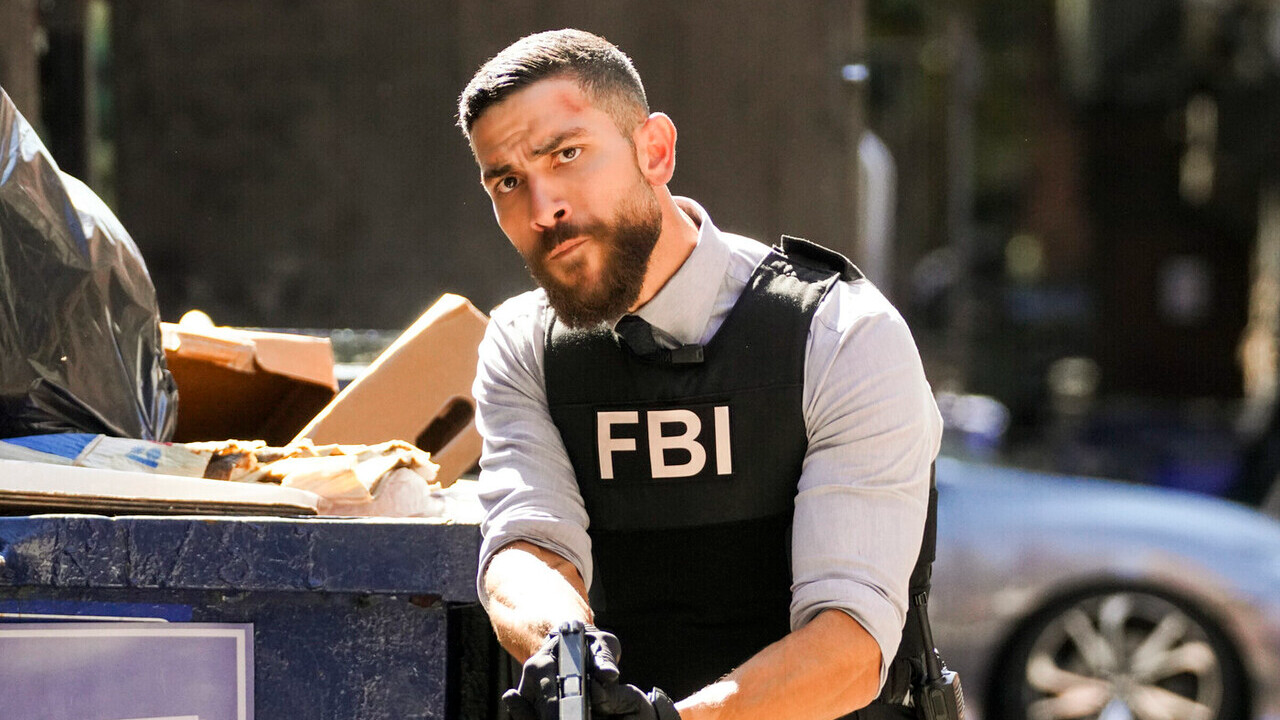
The high-pressure environment of the FBI’s New York field office has always been a pressure cooker for its elite agents, but the latest narrative arc has centered on a transformation that is as uncomfortable as it is compelling. Omar Adom Zidan, known to fans and colleagues simply as OA, has long been the steady, tactical anchor of the series. Portrayed with a blend of stoic strength and hidden vulnerability by Zeeko Zaki, OA is typically the voice of reason when chaos erupts. However, the writers have recently pivoted toward a psychological exploration that sees this veteran agent pushed toward a definitive breaking point, challenging the very core of his identity as a federal officer and a man of principle.
This shift in tone marks a significant departure from the standard procedural format. Usually, OA is the partner who balances Maggie Bell’s emotional intensity with a rigid adherence to protocol and a calm under fire that stems from his background as an Army Ranger. But the current storyline has systematically stripped away his usual defenses. By placing him in a series of no-win situations—where his cultural identity, his past trauma, and his professional loyalties are in direct conflict—the show is forcing OA to operate in a moral gray zone that he clearly detests. This internal friction is creating a version of the character that is more volatile and unpredictable than we have ever seen.
The genius of this development lies in how it utilizes Zeeko Zaki’s physical presence and emotional range. In recent episodes, the calm mask that OA typically wears has begun to slip, revealing a simmering rage and a profound sense of exhaustion. Whether he is facing a suspect who mirrors his own background or dealing with a bureaucratic failure that puts his team at risk, the stakes have become deeply personal. The breaking point isn’t just about a single mission going wrong; it is the cumulative weight of years spent in the line of fire, combined with a sudden realization that the system he serves is often as flawed as the people he pursues.
This narrative choice also breathes new life into the partnership between OA and Maggie. For seasons, they have operated as a seamless unit, but the current tension is creating a fascinatng rift. Maggie, sensing OA’s instability, is forced into the role of the protector, attempting to pull him back from the edge before he crosses a line he cannot uncross. Their scenes together have taken on a new level of intensity, characterized by heavy silences and heated exchanges that suggest their bond is being tested like never before. It is a reminder that even the most elite partnerships are susceptible to the human element of the job.
Furthermore, the show is tackling complex themes of PTSD and the specific burdens carried by minority officers in high-level law enforcement. By pushing OA further than ever before, FBI is moving beyond the action-movie hero tropes to explore the actual cost of being a sheepdog in a world full of wolves. The audience is seeing a man who is beginning to question if the sacrifices he makes are truly worth the toll they take on his soul. This level of character depth is what keeps the series at the top of the ratings, as it transforms a weekly crime drama into a poignant character study.
As we look toward the climax of this arc, the question isn’t just whether OA will catch the criminal, but whether he will recognize himself in the mirror when the case is closed. The writers have successfully created a sense of genuine danger that doesn’t involve a ticking bomb or a high-speed chase, but rather the potential collapse of a good man’s spirit. If OA breaks, the entire New York office loses its foundation, and the ripple effects would be felt across every department of the Bureau.
The fan response to this storyline has been overwhelmingly positive, with many praising the show for finally giving Zeeko Zaki the heavy emotional lifting his talent deserves. By centering the drama on OA’s psychological state, FBI has found a way to stay fresh and relevant in its later seasons. It serves as a powerful reminder that the most dangerous battles aren’t fought in the streets of Manhattan, but in the quiet, dark corners of an agent’s mind. As the season progresses, viewers are left on the edge of their seats, waiting to see if OA can find a way back to the light or if this breaking point will permanently alter the trajectory of his career and his life.