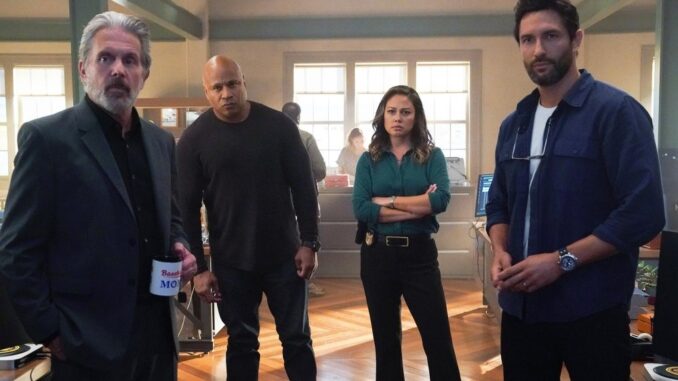
The NCIS franchise has been around long enough to feel like a trusted TV companion. You know the rhythm. You recognize the tone. And yet, when NCIS: Hawai‘i landed, it promised something bold: familiar comfort wrapped in a brand-new setting.
So here’s the big question—can a spinoff really be different and the same at the same time? Surprisingly, NCIS: Hawai‘i doesn’t just try. It actually pulls it off.
Let’s break down how this island-based spinoff walks the tightrope between tradition and transformation—and why that balance is exactly why it works.
What Is NCIS: Hawai‘i All About?
At its core, NCIS: Hawai‘i sticks to the franchise’s mission: investigating crimes tied to the U.S. Navy and Marine Corps. But instead of gray office buildings or crowded city streets, we’re dropped into the sun-soaked intensity of the Pacific.
A New Location, Same Mission
Hawai‘i isn’t just a backdrop—it’s a character. From military bases to coastal villages, the show uses its setting to create stakes that feel bigger, brighter, and more personal.
Why NCIS Spinoffs Keep Working
Let’s be honest—most franchises would have burned out by now. So why does NCIS keep winning?
A Proven Formula That Viewers Trust
-
Weekly cases
-
Strong team dynamics
-
Emotional character arcs
-
Just enough humor to soften the darkness
It’s comfort food TV. You don’t reinvent the recipe—you adjust the seasoning.
How NCIS: Hawai‘i Feels Comfortably Familiar
Yes, the show takes risks—but it also knows better than to mess with what works.
Classic NCIS DNA Is Still Front and Center
-
Procedural storytelling
-
Case-of-the-week structure
-
Moral clarity
-
Team-first mentality
If you’ve watched NCIS, NCIS: Los Angeles, or NCIS: New Orleans, you’ll feel right at home within minutes.
The Big Difference: A Female Lead Takes Command
One of the most refreshing shifts comes from leadership.
Jane Tennant Changes the Power Dynamic
Special Agent Jane Tennant isn’t just another boss. She’s the first female lead agent in the NCIS franchise—and that matters.
Why This Actually Feels Natural
-
Leadership is shown, not announced
-
Authority feels earned, not forced
-
Personal life blends organically with the job
This isn’t a gimmick. It’s progression done right.
Hawai‘i as More Than a Pretty Postcard
Let’s talk about the setting—because NCIS: Hawai‘i uses it brilliantly.
The Island Setting Raises the Stakes
-
Military presence feels constant
-
Jurisdictional tension adds complexity
-
Cultural respect plays a real role in storytelling
This isn’t just NCIS with palm trees. It’s NCIS shaped by Hawai‘i.
Visual Storytelling Gets a Major Upgrade
You feel the difference immediately.
Brighter, Bolder, More Cinematic
The show leans into:
-
Natural light
-
Wide coastal shots
-
A warmer color palette
The result? Episodes feel more cinematic and less confined.
Character Chemistry Keeps the Show Grounded
A spinoff lives or dies by its cast—and this one delivers.
A Team That Feels Lived-In
Instead of forcing instant bonds, the show lets relationships develop naturally. The banter feels earned. The tension feels real.
Why That Matters
When the case fades, it’s the characters who keep you watching.
Procedural… But With Emotional Weight
Yes, each episode has a crime. But NCIS: Hawai‘i leans harder into emotional consequences.
Cases Don’t Exist in a Vacuum
-
Victims matter
-
Personal stakes linger
-
Decisions carry forward
It’s subtle—but powerful.
Balancing Episodic and Serialized Storytelling
This is where the show gets smart.
You Can Jump In—or Stay for the Long Haul
-
Casual viewers get clean episode arcs
-
Loyal fans get deeper character threads
It’s the best of both worlds.
Why Being “The Same” Is Actually a Strength
Here’s the truth no one likes to say: people don’t want radical change from NCIS.
They want:
-
Reliability
-
Emotional safety
-
Familiar rhythms
NCIS: Hawai‘i understands that—and respects it.
Where the Show Actually Takes Risks
That said, the show isn’t afraid to stretch.
Subtle Risks That Pay Off
-
Slower emotional beats
-
More grounded humor
-
Cultural sensitivity in storytelling
These choices add texture without alienating longtime fans.
How NCIS: Hawai‘i Compares to Other Spinoffs
So where does it land in the franchise lineup?
Not the Loudest—but Possibly the Most Balanced
-
Less flashy than NCIS: LA
-
Less quirky than NCIS: New Orleans
-
More emotionally consistent overall
It may not shout—but it resonates.
Audience Reaction: Why Fans Are Sticking Around
Viewers didn’t just sample NCIS: Hawai‘i. They stayed.
Why Retention Is Strong
-
Strong lead performance
-
Comfort-driven storytelling

-
Visual freshness without chaos
It’s easy to watch—and easy to like.
Is NCIS: Hawai‘i Reinventing the Franchise?
No. And that’s the point.
It’s Refining, Not Rewriting
Think of it like a favorite song—remastered, not replaced. Same melody. Better sound.
Who Should Watch NCIS: Hawai‘i?
If you:
-
Love procedural dramas
-
Enjoy character-driven stories
-
Want something familiar but not stale
Then yes—this show is absolutely for you.
Final Verdict: Different Enough to Matter, Familiar Enough to Love
NCIS: Hawai‘i succeeds because it knows exactly what it is.
It doesn’t chase trends. It doesn’t abandon its roots. Instead, it evolves quietly—confidently.
Like a seasoned surfer riding a new wave, it stays balanced. And sometimes, balance is the boldest move of all.
Conclusion
In a TV landscape obsessed with reinvention, NCIS: Hawai‘i proves that evolution can be just as powerful as disruption. By honoring the franchise’s legacy while embracing a fresh setting, stronger representation, and deeper emotional storytelling, the show finds its sweet spot.
It’s the same NCIS you trust—just with ocean air, island light, and a slightly different heartbeat. And honestly? That’s exactly what fans were hoping for.