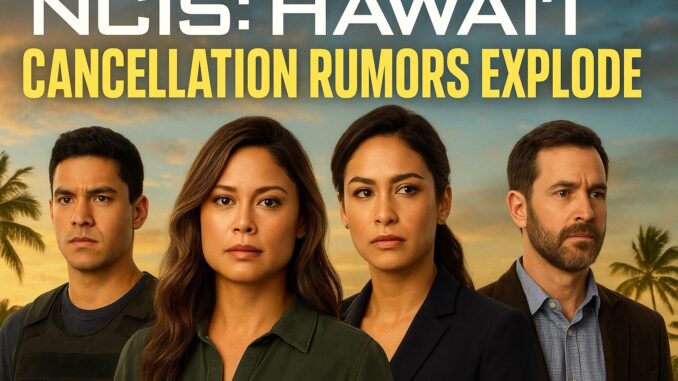
The Aloha That Faded Too Soon
If you’re a fan of crime dramas with a tropical twist, the cancellation of NCIS: Hawai‘i hit like a tsunami against a calm shore. Just as the series was gaining momentum, the network behind it — CBS — pulled the plug. The result? A swell of rumors, angry fans, and unanswered questions. In this article, we dive deep into what happened, why it happened, and what it means for fans and the broader NCIS universe.
What Is NCIS: Hawai‘i — A Brief Recap
The birth of a spin-off with island vibes
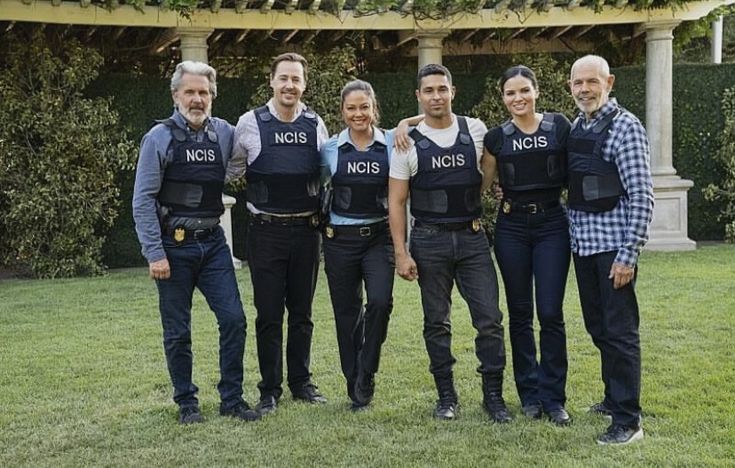
Launched in September 2021, NCIS: Hawai‘i was the first spin-off of the franchise set outside the mainland U.S. and fronted by a strong female lead — Vanessa Lachey playing Special Agent in Charge Jane Tennant. The show followed Tennant and her team as they solved crimes tied to the military and high-stakes security cases on the picturesque Hawaiian island of Oʻahu.
What fans loved — and why it grew fast
– The tropical setting gave a fresh visual and cultural flavor to the NCIS formula.
– A diverse cast and the novelty of a female-led NCIS series offered representation many fans had been craving.
– The show delivered procedural drama, military intrigue, and a unique vibe you’d only get from an island-based NCIS unit.
In short — NCIS: Hawai‘i carved its own niche inside the broader NCIS universe. So when the chopping block came, it felt especially harsh.
The Sudden Move: CBS Cancels NCIS: Hawai‘i — What Went Down
The official news — abrupt and unapologetic
In April 2024, CBS confirmed that NCIS: Hawai‘i would not return for a fourth season. The third season finale, airing in May, would be its final curtain call.
CBS leadership, including Entertainment President Amy Reisenbach, said the decision boiled down to financials, scheduling flow, and overall network strategy — not any singular issue with the show’s quality or fandom.
The shock-value — cast, crew, and fans blindsided
The cancelation came as a surprise even to the show’s creative team. Co-showrunners revealed they didn’t realize Season 3 would be the last — which explains why the finale ends on a harsh cliffhanger.
Stars including Vanessa Lachey described themselves as “blindsided,” expressing disbelief over the network’s sudden decision.
For fans? Frustration boiled over. Many had invested in the characters, the stories, and the island backdrop — to see it vanish without closure felt like being pushed off a cliff yourself.
Why It Happened: CBS’ Cold Calculus
Budget vs. Ratings — filming in Hawai‘i isn’t cheap
One crucial factor was cost. Producing a show in Hawai‘i is expensive — and insiders estimate that NCIS: Hawai‘i cost tens of millions per season.
CBS reportedly found that, despite decent ratings, the expense outweighed the benefit, especially when weighed against other franchise entries that cost less to produce.
The bigger NCIS strategy — consolidation and expansion elsewhere
While Hawai‘i was canceled, CBS has doubled down on the rest of the NCIS universe. The flagship series NCIS was renewed. So were newer entries like NCIS: Origins and NCIS: Sydney.
According to executives, the network wants a “cohesive schedule flow,” meaning fewer high-cost, location-based productions and more streamlined, cost-effective spinoffs that don’t stretch the budget.
The aftermath — fans and crew left in limbo
Because cancellation came so suddenly, the show ended with unfinished story arcs. The finale ends with a dramatic cliffhanger that will never be resolved — a rare and painful move for fans invested in closure.
Crew and local economy took a hit too. The show employed hundreds of people, many tied to Hawai‘i’s production industry. With the series gone, so are many of those jobs.
The Fallout: Fan Reaction, Petitions — And Hope?
Fan outcry — more than just disappointment
Right after the cancellation news, fans flooded social media. Many started petitions — with one petition gathering tens of thousands of signatures asking CBS to reverse the decision.
Some even expressed anger at what felt like a double standard: a female-led spin-off canceled, while other shows get renewed — leading many to speculate cost or representation wasn’t the true reason.
Creators mourn — and tease what could’ve been
The producers admitted they’d have wrapped the final season differently if they’d known it would be the last. In their own words — “it still stings.”
They also pointed out that NCIS: Hawai‘i was breaking ground — featuring a diverse cast and giving representation to voices not often seen in mainstream procedurals. The abrupt end felt like a setback.
Could “NCIS: Hawai‘i” Be Resurrected? What’s the Realistic Outlook
The streaming question — is there hope via Paramount+?
After the cancelation, some fans hoped that maybe the show would migrate to streaming, like some series have done. But insiders say that’s unlikely. CBS president George Cheeks reportedly said budget constraints make it impossible to guarantee such moves for every show.
So while all three existing seasons remain available for bingeing, chances of new episodes seem slim.
Crossovers and spin-offs — could the NCIS universe absorb Hawai‘i storylines?
Even though Hawai‘i is gone, there’s a possibility characters or story threads could reappear in other NCIS shows. As confirmed by showrunners, crossovers aren’t completely off the table.
With the franchise expanding into “Origins” and “Sydney,” there’s a chance some narrative homage might carry over — but will it be enough for fans who loved the original island vibe? Hard to say.
What This Cancellation Means for the TV Industry at Large
The high cost of location filming — even for proven hits
NCIS: Hawai‘i shows how even a relatively successful show can get cut if it’s expensive to produce. For networks, balancing budget and content diversity is a tough tightrope — sometimes success isn’t enough if the costs don’t justify it.
Representation and diversity — progress isn’t always safe
By giving us the first female-led NCIS spin-off and a diverse cast in a unique location, Hawai‘i felt like progress. The cancelation underscores how representation alone doesn’t protect a show — economic realities often win out.
The trade-off between creative closure and business decisions
Finishing a show with a cliffhanger isn’t just disappointing — it damages viewer trust. For fans, investing time and emotion only for an abrupt ending can feel like betrayal. It’s a cautionary tale for creators and networks alike about managing expectations and treating audiences with respect.
Could This Have Been Avoided? What Writers & Networks Might Learn
Better forecasting and budgeting before committing to exotic locales
If filming in Hawaii comes with extra costs — travel, housing, permits, logistical complications — networks should weigh those carefully against projected ratings and long-term viability.
Alternative formats — limited seasons or streaming-only releases
Perhaps reducing the number of episodes, or switching to streaming-exclusive seasons, might lower costs while keeping shows alive. Fans often prefer a shorter, well-crafted goodbye than a sudden, jarring cliffhanger.
Transparent communication with fans — manage expectations early
Networks owe their audiences clarity. If cancellation is likely, creators should know early — and wrap up narratives accordingly. That builds trust and saves disappointment.
Looking Ahead — What’s Next for Fans and the NCIS Franchise
-
You can catch all three seasons of NCIS: Hawai‘i on streaming platforms for the foreseeable future — good for re-watching or for catching up if you missed it.
-
Keep an eye on other NCIS series — especially “Origins” and “Sydney” — for possible crossover episodes or references.
-
Fan petitions may continue, but the official stance seems final. Still, platforms and networks have surprised us before… maybe nostalgia and demand could spark a reboot someday.
-
For now, the franchise moves forward, but Hawai‘i’s unexpected goodbye leaves a void many fans feel deeply.
Conclusion — Aloha Washed Away, but Not Forgotten
The cancellation of NCIS: Hawai‘i is more than just a programming decision — it’s a reminder of how fragile even seemingly successful shows can be when business priorities shift. For fans, it’s heartbreak: a show with charm, heart, and strong representation, suddenly ripped away with no closure. For the industry, it’s a lesson: representation and popularity aren’t always enough when high costs and scheduling logistics are involved.
Maybe one day Hawai‘i will rise again — but for now, we’re left with fond memories of sunsets, investigations, and “what could have been.”