🚒 Stepping Out of the OR: The Necessary Shift in ShondaLand
We all know the rules of the Shonda Rhimes universe, affectionately dubbed ShondaLand. It’s a place where romance is epic, careers are demanding, dialogue is fast-paced, and tragedy lurks around every corner, often set to an incredible indie soundtrack. For years, the gold standard—the mothership—has been Grey’s Anatomy, confining the high-stakes drama largely within the sterile, dramatic confines of a hospital operating room.
But in 2018, something shifted. ShondaLand took a massive, calculated risk and expanded its footprint with a show that left the safety of the hospital and plunged directly into the urban chaos: Station 19. Focused on the lives of Seattle firefighters and paramedics, the series wasn’t just a simple spin-off; it was a seismic narrative break. It forced the entire universe to get dirtier, grittier, and more socially aware than ever before.
It’s time to admit that Station 19 didn’t just capitalize on Grey’s Anatomy‘s success; it broke new ground for Shonda Rhimes’ storytelling empire, evolving the established formula in ways that were crucial for modern television. It proved that ShondaLand could thrive beyond the OR, tackle raw, physical peril, and, most importantly, commit to a level of timely social commentary that even Grey’s hesitated to touch.
🚨 The Procedural Re-Engineering: From Scalpels to Hoses
The most immediate and obvious way Station 19 revolutionized the formula was by shifting the procedural focus. Grey’s Anatomy is a medical drama—a battle against time and biology inside a controlled environment. Station 19 was a first responder drama—a relentless battle against external forces in unpredictable, often hostile environments.
The Nature of the Stakes: Immediate and Physical
In Grey’s Anatomy, the stakes are often emotional, professional, and medical. The drama builds slowly, often over hours of surgery. In Station 19, the stakes were immediate, physical, and life-or-death in minutes.
-
No Second Chances: Firefighters and paramedics don’t have the luxury of a sterile OR and a team of specialists. They operate on instinct, facing collapsing buildings, raging fires, and unstable victims in the streets. This inherently demanded faster pacing and a more intense commitment to physical action than anything ShondaLand had produced before.
-
The Environment as an Antagonist: The firefighters often battled the environment itself—the smoke, the heat, the structure. This external antagonist created a new visual language for the universe, trading the close-ups of delicate surgery for wide shots of urban devastation.
H3: The Crossover Cohesion: Integrating the Universe
While the shows frequently crossed over, Station 19 ensured the events of Grey’s had real-world consequences. The firefighters were the bridge between the hospital’s interior drama and the city’s exterior chaos. This integration made the ShondaLand universe feel genuinely massive and interconnected, like two sides of the same coin, where the doctors couldn’t save lives without the firefighters first delivering the patients.
👥 The Ensemble Evolution: A New Kind of Chosen Family
Shonda Rhimes is a master of the ensemble cast and the concept of “chosen family.” Station 19 took this concept and applied a unique, military-like structure to it, differentiating it significantly from the peer-group structure of Grey’s interns.
Hierarchy and Discipline
Unlike the often chaotic and competitive environment of the surgical residents, Station 19 operated under a rigid hierarchy and structure.
-
Chain of Command: The roles of Captain (Pruitt Herrera, later Maya Bishop, later Andy Herrera) and Lieutenant (Jack Gibson, later Robert Sullivan) were absolute. The show explored the immense weight of command and the strict discipline required for safety—a stark contrast to the frequently boundary-pushing doctors.
-
The True Partner: The core bonds were formed under extreme pressure, where trust meant the difference between life and death in a burning building. The reliance on a true partner in the field created deep, often unbreakable bonds that had a different emotional texture than the complex, romanticized relationships of the surgeons.
H4: Diverse Leadership and Inclusivity
Station 19 broke new ground by placing women, people of color, and queer characters in absolute positions of power from the very start.
-
Captain Andy Herrera: A Latina woman becoming Captain of a major urban station was a powerful statement.
-
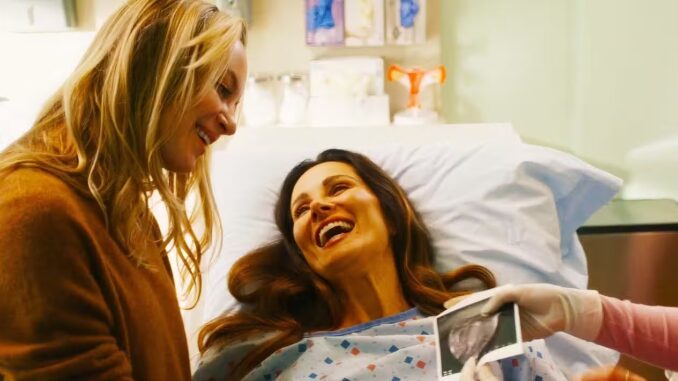
Maya Bishop: The bisexual Captain storyline and her marriage to Carina DeLuca (a frequent crossover from Grey’s) put a powerful LGBTQ+ relationship front and center, exploring parenthood, career ambition, and discipline in an unprecedented way for network television. This level of intentional, intersectional representation set a new, high standard for the entire ShondaLand enterprise.
📣 The Social Conscience: Facing Real-World America
Perhaps the most significant way Station 19 broke new ground was its unflinching commitment to social justice storylines. While Grey’s Anatomy touches on social issues, the firefighters were consistently on the front lines of American systemic issues.
The Race and Policing Narrative
Station 19 bravely tackled issues of race, corruption, and systemic injustice within the fire and police departments.
-
Robert Sullivan’s Addiction and Race: Sullivan’s journey through addiction and his confrontations with racial profiling highlighted the internal failures of first responder organizations.
-
Protests and Community Crisis: The show often depicted the crew responding to scenes of police brutality and civilian protests, forcing the characters to immediately confront their own biases and roles within a complex system. They were mediators, witnesses, and sometimes victims of the social crises unfolding in real-time across America. This level of direct engagement was bolder and more visceral than Grey’s typically allows.
The Mental Health Dialogue
The series pioneered a crucial conversation about the mental toll and trauma faced by first responders. Characters openly struggled with PTSD, alcoholism, anxiety, and depression—issues that are often romanticized or skirted in other action dramas. The show humanized the struggle of repeatedly witnessing the worst of humanity, providing a necessary realism about the job.
🔥 A Lasting Legacy: Why the Groundbreaking Will Endure
Even though Station 19 is concluding its run, the innovations it brought to ShondaLand and network television will not vanish.
H4: The Permanent Shift in Tone
Station 19 permanently shifted the tonal expectations of the Shonda Rhimes universe. Future spin-offs or shows under her banner will now be expected to:
-
Maintain High Procedural Pace: The standard for action and chaos is now set by the firehouse, not the hospital.
-
Commit to Social Realism: Future shows will be held accountable for tackling systemic issues with the same directness and sincerity that Station 19 demonstrated.
The Enduring Crossover Family
The characters introduced and developed on Station 19, such as Carina DeLuca (Stefania Spampinato), are likely to continue to have a presence on Grey’s Anatomy (the Mothership), ensuring that the legacy of their relationships and their storylines endures. The emotional investment we made in these characters will not disappear; it will be folded back into the main show’s narrative fabric.
💡 The Courage of the Creative Risk
Ultimately, Station 19 was a testament to the courage of the creative risk. Shonda Rhimes and her team dared to take the formula that worked for a medical drama and apply it to a completely different, physically demanding, and socially charged profession. In doing so, they not only created a successful show but they modernized the entire ShondaLand sensibility, proving that the heart of their storytelling—the complex, flawed, deeply human relationships—can thrive anywhere, even when facing the fiercest flames.
Final Conclusion
Station 19 broke significant new ground for the Shonda Rhimes universe by successfully transitioning the ShondaLand formula from the controlled environment of the hospital to the unpredictable, high-stakes chaos of the firehouse. The show introduced a new procedural intensity, embraced a diverse and strictly hierarchical ensemble, and, most importantly, committed to an unflinching, timely dialogue about social justice, systemic corruption, and the mental health crises facing real-world first responders. Its success proved that the core emotional storytelling of ShondaLand could thrive in a grittier, more physical realm, permanently elevating the expected standards for network television drama and leaving behind an undeniable legacy of groundbreaking, inclusive storytelling.
❓ 5 Unique FAQs After The Conclusion
Q1: Who was the original showrunner for Station 19?
A1: Stacy McKee, who had been a longtime writer and executive producer on Grey’s Anatomy, was the original showrunner and creator of Station 19.
Q2: Which major Grey’s Anatomy character moved over to become a main cast member on Station 19?
A2: Dr. Ben Warren (played by Jason George), Miranda Bailey’s husband, transitioned from being a surgical resident at Grey Sloan Memorial to a firefighter and paramedic at Station 19, serving as a primary link between the two shows.
Q3: Which storyline best exemplifies Station 19‘s groundbreaking focus on social justice?
A3: The storylines involving Robert Sullivan’s journey with prescription opioid addiction and his later confrontation with racial profiling and systemic bias within the fire and police departments are considered the most groundbreaking social justice narratives of the series.
Q4: Did Station 19 ever surpass Grey’s Anatomy in viewership or ratings?
A4: While Station 19 was a solid ratings performer and often had excellent live viewership, it never surpassed Grey’s Anatomy in overall viewership, especially when factoring in delayed viewing. Grey’s Anatomy consistently remained the highest-rated scripted drama on ABC.
Q5: Is there any potential for Station 19 characters to appear again after the series finale?
A5: Yes. Because the show shares a universe with Grey’s Anatomy, characters like Carina DeLuca (who works at Grey Sloan) and Ben Warren are highly likely to appear in guest or recurring roles on Grey’s Anatomy in future seasons, ensuring their stories continue.