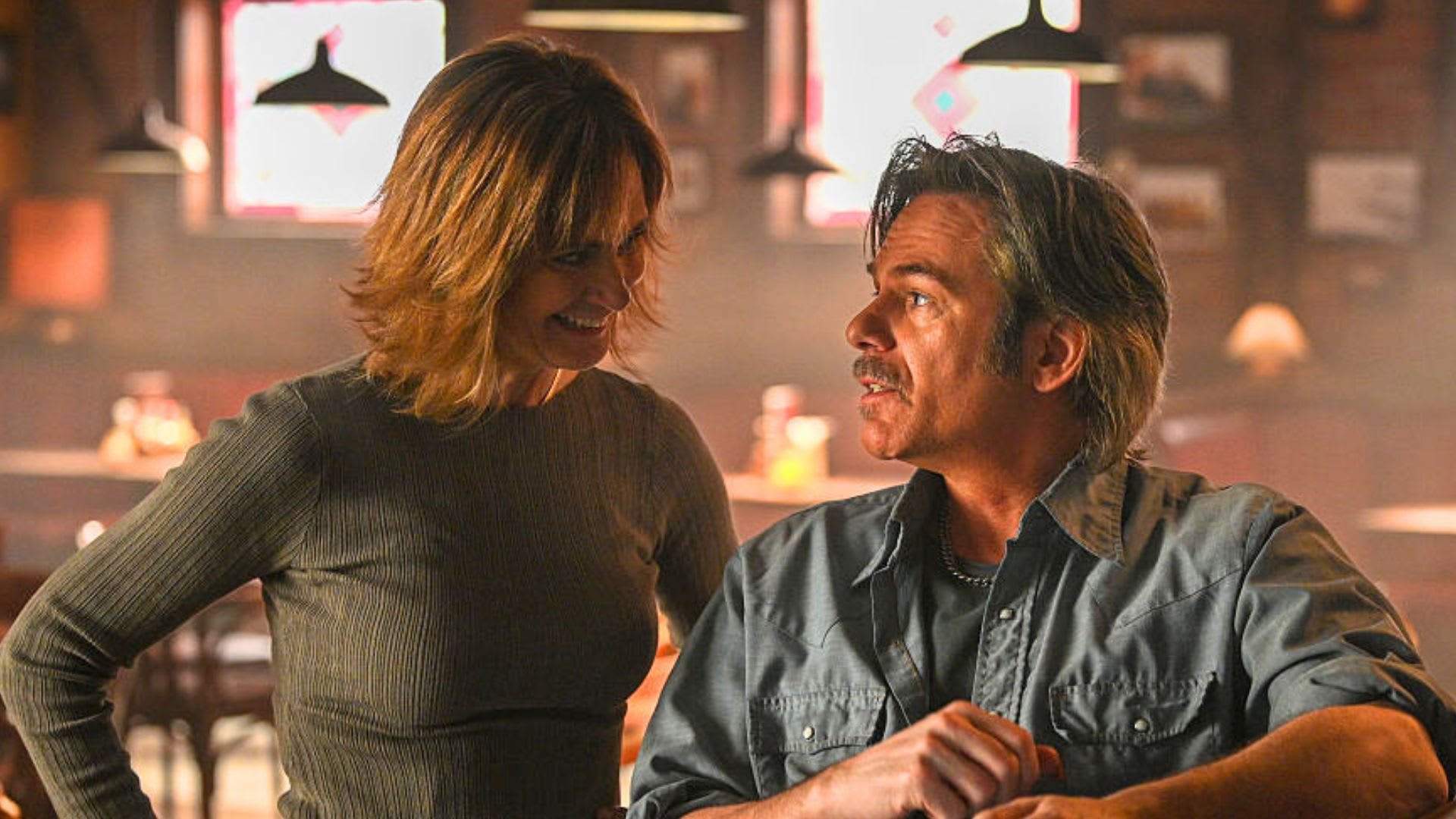
From its very first episodes, Fire Country has balanced explosive action with deeply personal storytelling. While wildfires, rescues, and life-or-death decisions dominate the screen, the show’s true power lies in its emotional realism. At the center of that realism is Diane Farr, whose performance has quietly become the heartbeat of the series. Through her nuanced portrayal of grief, Farr gives Fire Country its soul.
Diane Farr has been open about how challenging it is to portray loss in a way that feels authentic rather than dramatic. Grief, she explains, isn’t something that arrives and leaves on cue. It lingers in the background of everyday life, shaping how people speak, react, and connect with others. On Fire Country, this understanding informs every choice she makes as an actor. Instead of relying on big emotional outbursts, Farr often lets the weight of loss live in her character’s silence, her guarded expressions, and the moments where she almost says something—but doesn’t.
This subtle approach is what makes her performance so powerful. Viewers don’t just see grief; they feel it. Farr’s character carries loss into routine conversations, into moments of leadership, and into scenes that might otherwise seem ordinary. The pain is always present, but never overstated, mirroring the way real people cope while still showing up for their families, colleagues, and communities.
Farr has also reflected on the emotional toll of playing grief over an extended period. Unlike a single dramatic episode, Fire Country asks its characters to live with loss long after the initial tragedy. That requires emotional endurance from the actor as well. Farr has described the importance of protecting her own mental health while still honoring the truth of the story, drawing careful boundaries between herself and the pain her character experiences. It’s a delicate balance—one that allows her to return to the role with honesty instead of exhaustion.
What sets Farr apart is her ability to connect grief with resilience. Her character doesn’t exist to be broken; she exists to survive, adapt, and lead while carrying emotional scars. This perspective aligns perfectly with Fire Country’s larger themes. The series isn’t just about fighting fires—it’s about confronting trauma, facing consequences, and finding purpose after everything has changed. Farr’s portrayal reinforces the idea that strength isn’t the absence of pain, but the willingness to move forward despite it.
Her performance also deepens the relationships on the show. Grief becomes a bridge rather than a wall, influencing how her character interacts with others and allowing moments of empathy, conflict, and unspoken understanding to emerge naturally. These interactions give Fire Country its emotional texture, reminding audiences that the fires on screen are only part of the battle—the internal ones matter just as much.
In the end, Diane Farr’s work captures what makes Fire Country resonate beyond its genre. Through her honest, restrained, and deeply human portrayal of grief, she grounds the series in emotional truth. Beneath the roaring flames and heroic rescues lies a quieter story about loss, love, and perseverance—and Farr’s performance ensures that this heart never gets lost in the smoke.