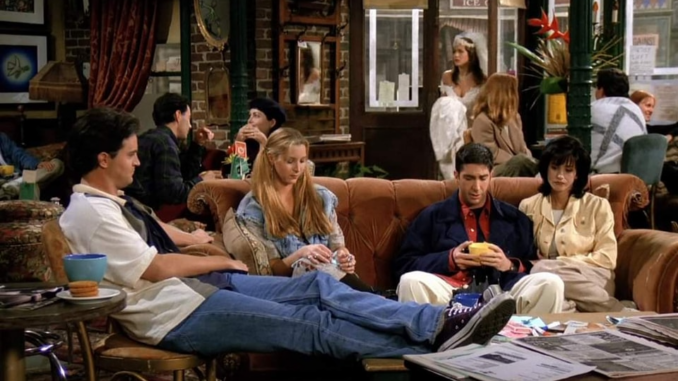
On September 22, 1994, the first episode of Friends premiered — and television history quietly changed.
Now, more than 31 years later, the impact of that moment is still being felt, discussed, and fiercely debated around the world.
Rachel Green walked into Central Perk in a wedding dress. We caught our first taste of Chandler Bing’s sarcasm, met Joey’s unforgettable hairstyle and charm, felt Phoebe’s delightful quirkiness, admired Monica’s authoritative yet hilarious personality, and instantly recognized the emotional depth of Ross Geller. Ross grabbed a spoon, Rachel was introduced to the “real world,” and audiences were introduced to what would become one of the most influential sitcoms of all time.
Today, Friends is no longer just a nostalgic comfort show — it has become a cultural landmark under constant re-evaluation.
A Celebration — and a Controversy
As the series continues to thrive on streaming platforms, the anniversary has reignited global conversations. Fans celebrate Friends for redefining sitcom friendships, portraying chosen family, and creating characters that still feel emotionally familiar decades later. For many viewers, it remains a source of comfort, humor, and connection across generations.
At the same time, critics are re-examining the show through a modern lens. Discussions about diversity, gender representation, body image, and LGBTQ+ portrayal have intensified. Some argue that Friends reflects the limitations of its era, while others insist it should be understood within its historical and cultural context rather than judged by today’s standards.

The Cast and the Legacy
Interest in the actors themselves has also grown. Interviews, documentaries, and public reflections have revealed how fame transformed their lives — both positively and painfully. The cast’s bond, their unprecedented salary negotiations, and their lasting friendships off-screen have become just as compelling as the show itself.
In particular, recent discussions emphasize how Friends shaped modern television economics and celebrity culture, setting a template that future ensemble shows still follow.
Why Friends Still Matters
More than three decades after Rachel walked into Central Perk, Friends remains a shared cultural language. Its jokes are quoted, its scenes are turned into memes, and its themes — love, failure, ambition, and friendship — continue to resonate.
Whether praised as the greatest sitcom of all time or criticized as a product of its era, one truth is undeniable:
Friends didn’t just change television — it changed how audiences around the world saw friendship, adulthood, and themselves.
And that is why, more than 31 years later, the conversation is far from over.