
Michael Scott is often remembered as the most embarrassing boss in television history. His inappropriate jokes, lack of self-awareness, and desperate need for approval make him an easy target for ridicule. However, reducing Michael Scott to a caricature misses the complexity that made him one of the most compelling characters in modern sitcoms.
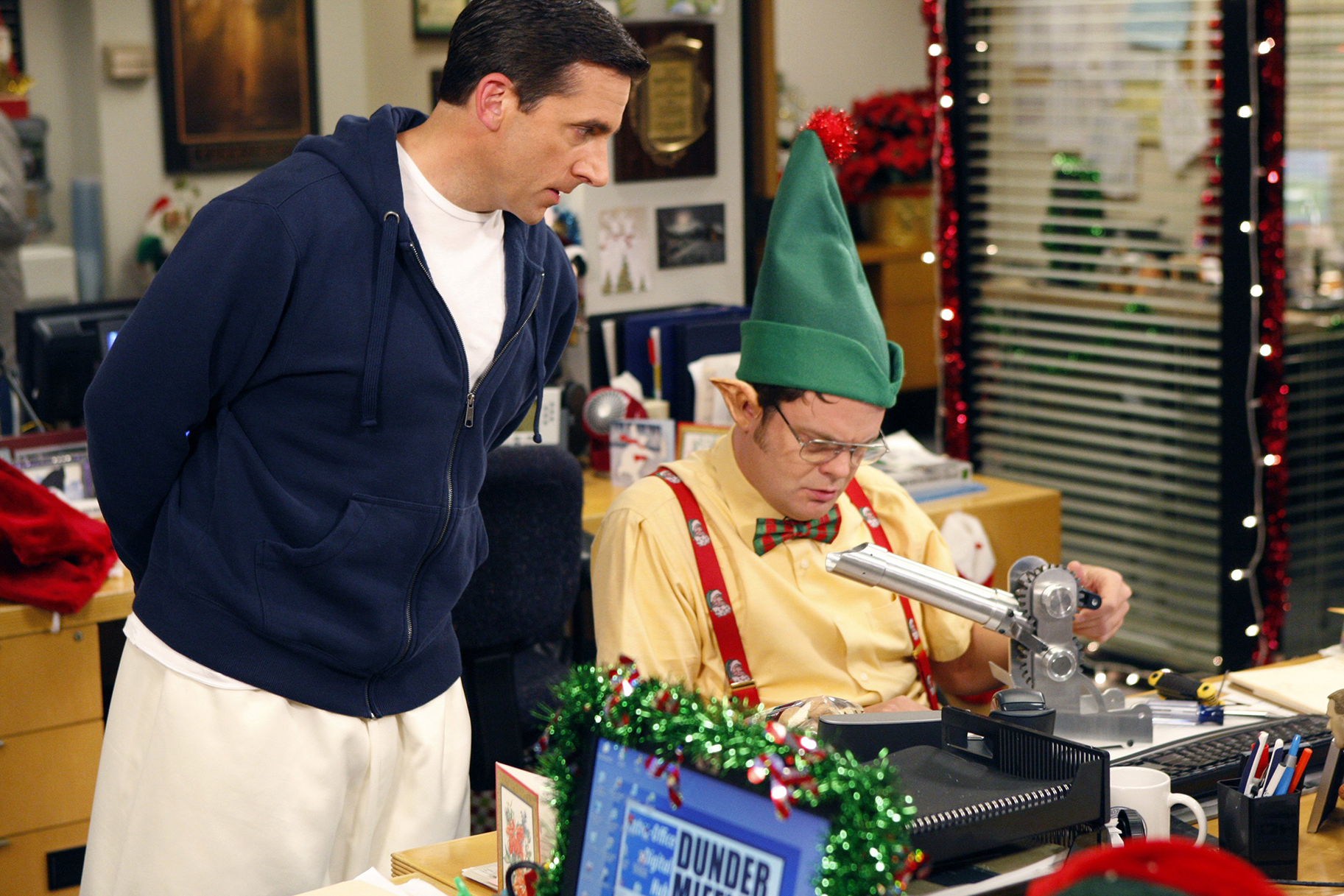 At his core, Michael is not malicious — he is lonely. His behavior stems from a deep fear of being unloved and forgotten. As regional manager, he occupies a position of authority without the emotional maturity to handle it. This imbalance drives much of the show’s conflict but also fuels its empathy.
Michael’s management style is chaotic, yet oddly effective. Despite constant missteps, his employees remain loyal, often performing well under his leadership. This contradiction challenges traditional ideas of competence and professionalism. Michael may fail at corporate norms, but he succeeds at creating a workplace where individuality is tolerated.
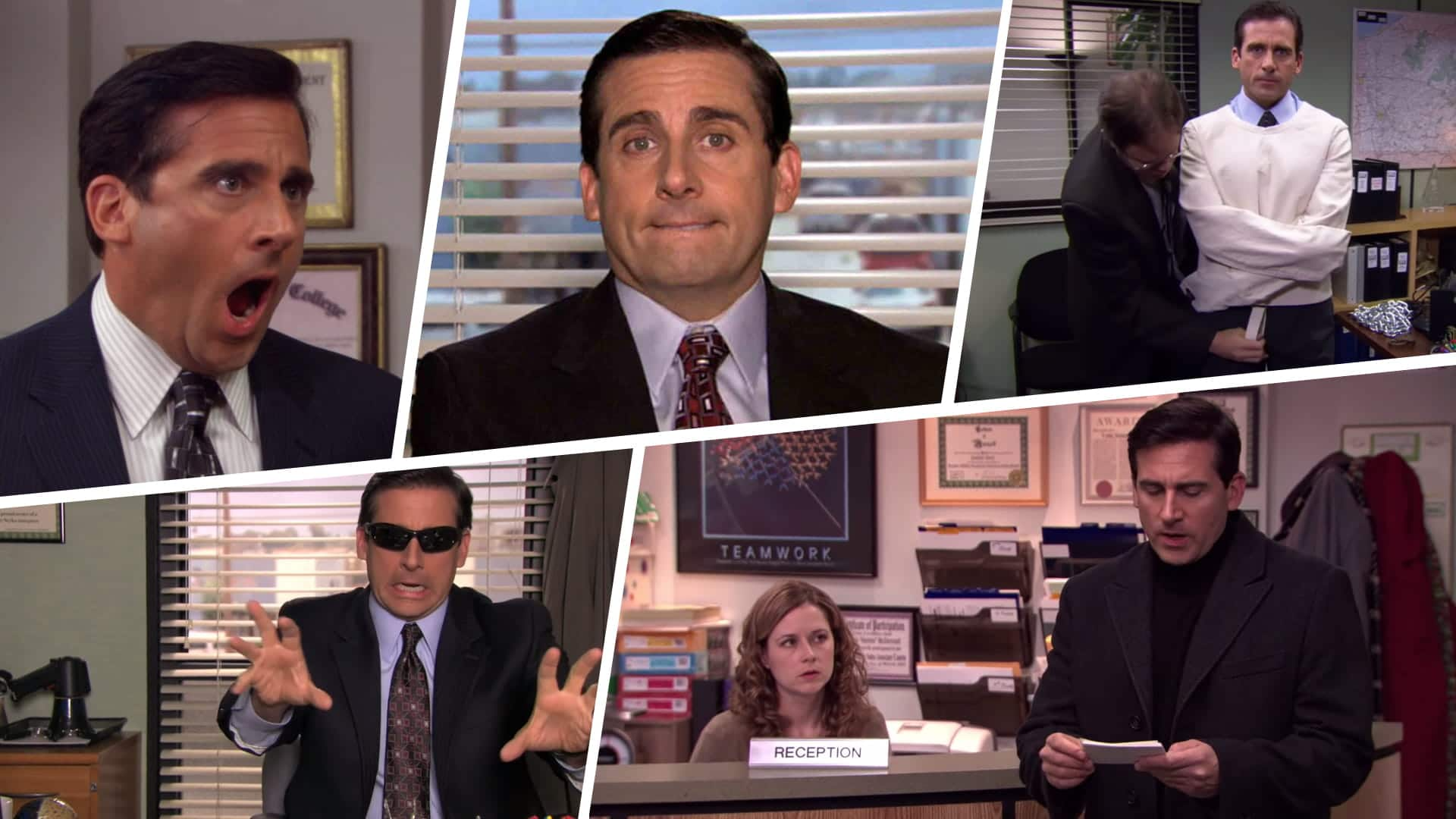 The show frequently uses silence and reaction shots to soften Michael’s worst moments. These pauses allow the audience to see the emotional cost of his mistakes. His growth, though subtle, becomes apparent through his relationships, particularly with Holly Flax. Their connection offers Michael something he has long sought: unconditional acceptance.
Michael Scott is misunderstood because his flaws are exaggerated for comedy. But beneath the cringe lies a painfully human character — one whose desire to belong resonates long after the laughter fades.