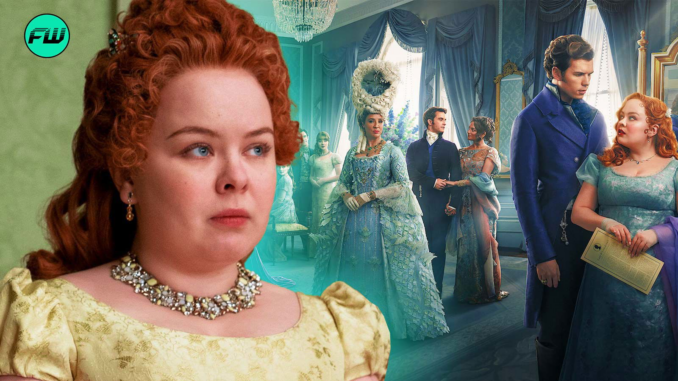
Few fictional characters wield power as quietly and effectively as Lady Whistledown. From the opening episode of Bridgerton, her voice has shaped reputations, altered destinies, and exposed the fragility of social hierarchies. Far from a mere narrator, Whistledown represents the invisible forces that govern society.
Gossip in Bridgerton functions as currency. Information, once published, becomes immutable truth within the ton. This dynamic reflects how power operates not through authority alone, but through perception. Lady Whistledown controls perception, making her one of the most influential figures in the series.
The reveal of Whistledown’s identity transformed the narrative. Rather than diminishing her mystique, it added complexity. Penelope’s authorship reframed gossip as both a weapon and a survival mechanism. Silenced in polite society, she found power through anonymity, challenging traditional notions of respectability.
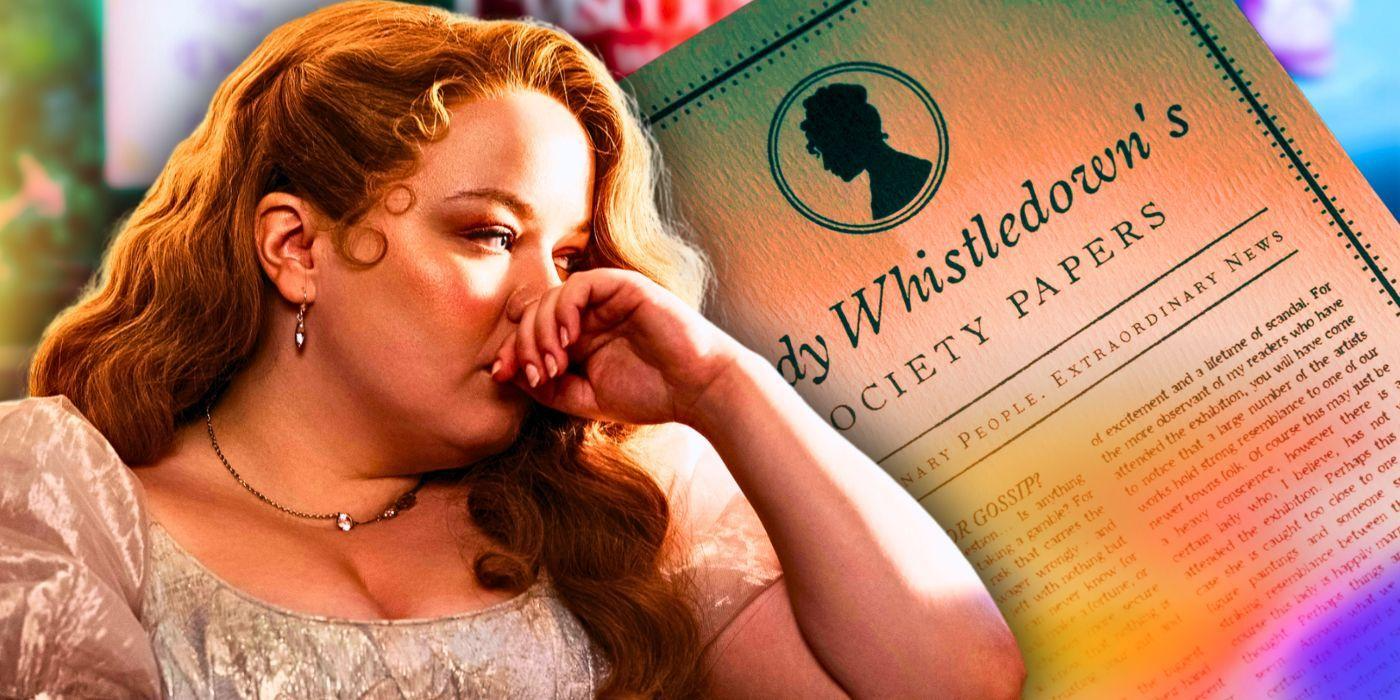 The series consistently interrogates the ethics of Whistledown’s influence. Her writings expose hypocrisy but also cause genuine harm. This moral ambiguity prevents the show from offering easy answers, instead inviting viewers to consider the cost of truth in a society built on illusion.
Whistledown also serves as a narrative equalizer. Nobility, wealth, and beauty offer no protection from scrutiny. In this way, the column disrupts entrenched hierarchies, making it one of the most subversive elements of Bridgerton.
Through Lady Whistledown, Bridgerton transforms gossip into a lens for examining power, voice, and visibility — themes that remain deeply relevant today.