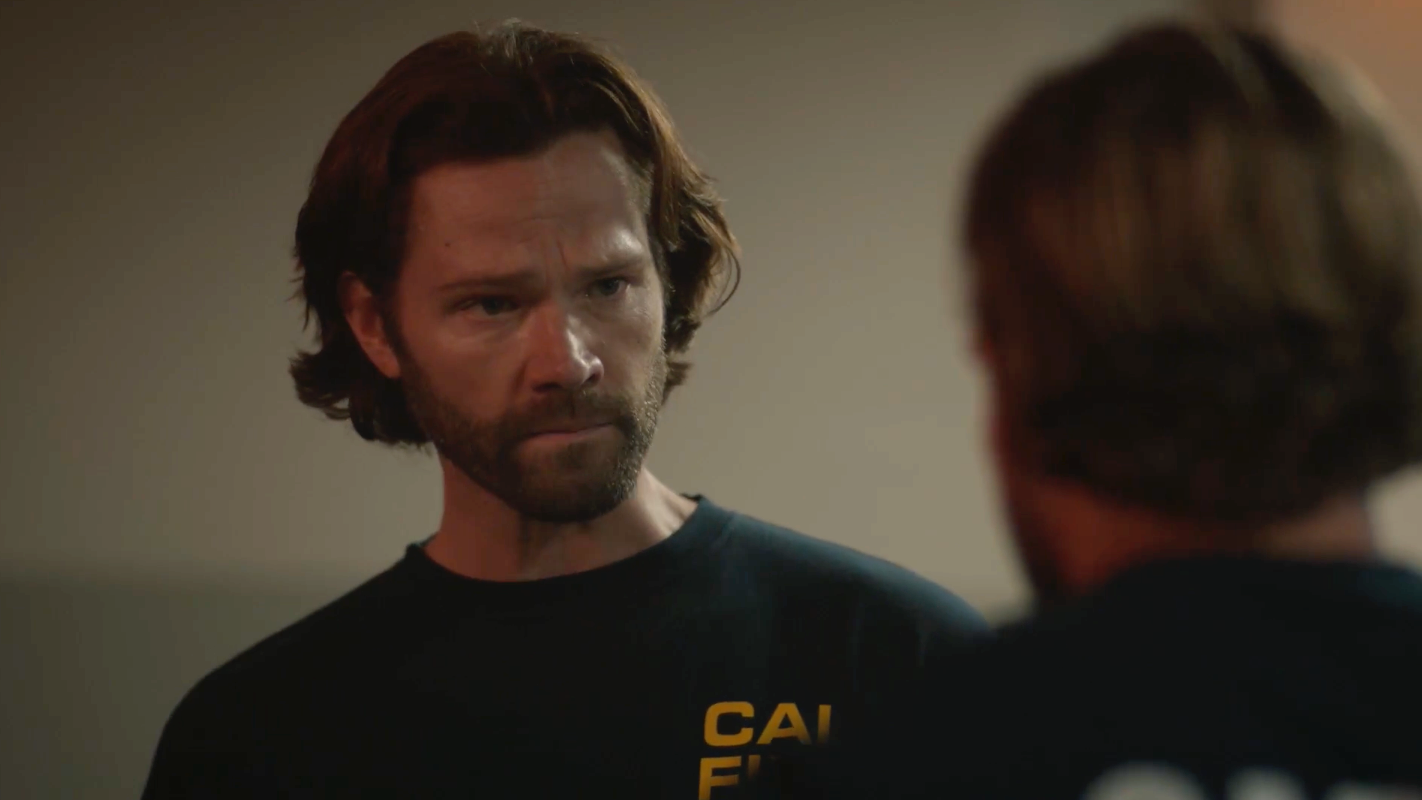
The mystery of who might be secretly setting the fires in Fire Country has fueled countless fan theories, but one possibility continues to linger in the back of my mind: what if Tyler is the real arsonist? At first glance, this idea might seem unlikely. Tyler has never been presented as a clear villain, and the show often frames him as someone caught in complicated circumstances rather than someone orchestrating them. But the deeper you look at his actions, motivations, and timing throughout the series, the more unsettling the theory becomes. If Tyler truly is responsible for the fires, it would change everything we think we know about the story.
Fire Country revolves around redemption, second chances, and the blurred lines between heroes and criminals. Characters constantly struggle with their past decisions while trying to rebuild their futures. Within that context, the idea that someone inside the narrative might secretly be fueling the chaos is both shocking and strangely fitting. Tyler’s presence in the story has always carried a quiet tension. He often appears at moments when suspicion or confusion is already building, yet he rarely draws direct attention to himself.
One detail that keeps raising questions is Tyler’s uncanny ability to show up around key fire-related events. While the show never explicitly connects him to these incidents, the pattern is difficult to ignore. Several times, he seems to possess knowledge about situations before others do, as if he understands the behavior of the fires in a way that goes beyond ordinary experience. Of course, characters in the show are surrounded by wildfire danger all the time, but Tyler’s insights sometimes feel almost too precise.
Another reason the theory holds weight is psychological motivation. In many great television dramas, the most shocking twists come from characters who have been quietly hiding their inner struggles. Tyler’s background hints at unresolved anger and complicated personal history. If someone with that emotional baggage were pushed to the edge, it could lead to destructive behavior disguised behind normal interactions. What makes this possibility especially compelling is that Tyler never appears openly hostile. Instead, he carries himself with a calm demeanor, which could easily mask deeper turmoil.
This idea also fits perfectly with the thematic core of Fire Country. The show repeatedly asks whether people can truly escape the mistakes of their past. Many characters fight every day to prove they are more than the worst things they have done. If Tyler were secretly responsible for starting fires, it would create a devastating contrast between the firefighters risking their lives and the hidden force undermining them from within their own world.
Another intriguing aspect of the theory involves how the writers structure tension in the series. Television storytelling often plants subtle clues long before revealing the truth. Tyler’s character sometimes feels like one of those slow-burn mysteries—someone who exists slightly outside the main spotlight but remains close enough to the action that his role could suddenly expand. If the writers decided to reveal him as the arsonist, fans could look back and reinterpret many earlier scenes in a completely different light.
Of course, there is also the possibility that Tyler is simply a red herring. Shows like Fire Country thrive on misdirection, encouraging viewers to suspect certain characters while the real truth hides elsewhere. Tyler’s suspicious timing and mysterious aura might be deliberate tools used by the writers to keep audiences guessing. But even if that is the case, the theory still highlights how carefully the series builds tension around its characters.
If the show ever confirmed Tyler as the true arsonist, the emotional consequences would be enormous. Trust would shatter, alliances would collapse, and the firefighters who dedicate their lives to saving communities would realize that the danger was coming from someone far closer than they ever imagined. It would transform the series from a story about fighting wildfires into a deeply personal conflict about betrayal and hidden darkness.
Whether this theory ultimately proves correct or not, it demonstrates the strength of Fire Country as a drama. The show creates characters complex enough that viewers can imagine multiple truths about them. And sometimes the most terrifying possibility is not the fire itself—but the person who might be quietly lighting the match.