
Friends has been the target of countless debates — from whether it aged well to arguments about diversity — but one of the most surprising and hot-button topics right now is this:
Is the sitcom actually more socially progressive than critics and fans have given it credit for?
Traditionally, Friends has been criticized for its lack of diversity and occasional dated humor. Many modern viewers point to the show’s predominantly white cast and 90s cultural references that don’t always land with new audiences. But a massive wave of supporters is now pushing back — and the debate has become one of the most talked-about discussions among fans.
A growing camp argues that Friends was ahead of its time in several meaningful ways. Rather than ignoring social issues, they say the show subtly introduced progressive ideas that many audiences didn’t even realize were groundbreaking back then — and that are only now being fully appreciated by fans who understand its era and influence.
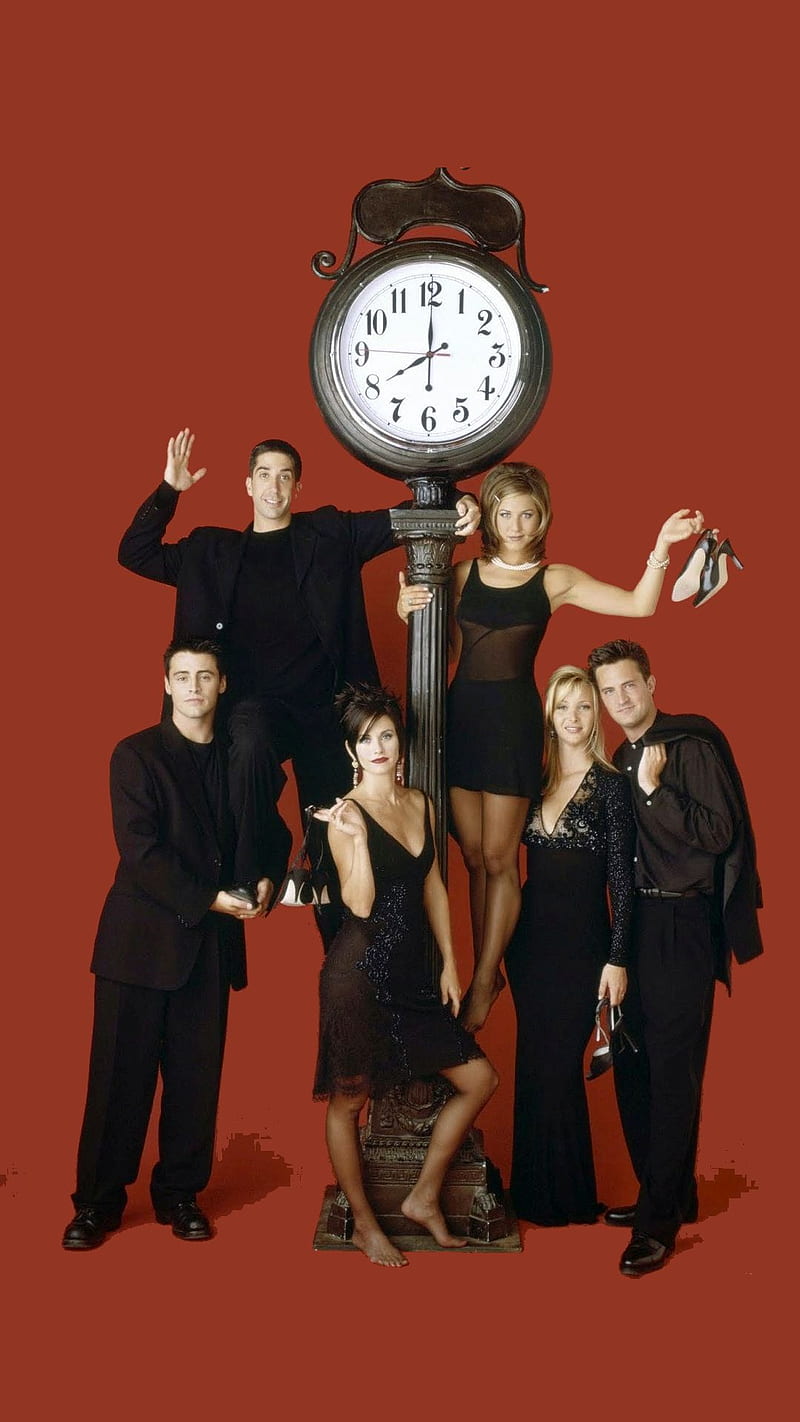
Examples of this shift include how the show:
-
Presented open discussions about same-sex relationships and acceptance in social circles that might have been considered risky for sitcom television in the 90s.
-
Addressed less traditional family structures, co-parenting, and evolving definitions of relationships.
-
Didn’t shy away from topics like career ambition, identity, and emotional vulnerability in ways many modern comedies still struggle with.
Supporters argue that when viewed in its cultural context, Friends did more than just entertain — it subtly nudged audiences toward acceptance and understanding, forcing even casual viewers to reconsider their assumptions.
Of course, not everyone agrees. Critics counter that being “progressive for the 90s” isn’t the same as holding up to today’s standards, and they argue the show still falls short in representation and sensitivity. This clash has turned basic fandom nostalgia into something deeper — and more politically and culturally charged.
So the big question now sweeping Friends discussion threads is:
Did Friends quietly push social boundaries back then — and are fans finally ready to recognize it?
Whether you think it was ahead of its time or a product of it, one thing’s clear:
This isn’t just a sitcom anymore — it’s a cultural test case in how we judge old media through new values.
And that conversation is far from over.