
An Ending That Didn’t Feel Like Goodbye
When Blue Bloods wrapped its long-running run, many fans assumed it marked the definitive end of an era. After more than a decade of family dinners, moral debates, and generational clashes inside the Reagan household, the curtain appeared to fall with emotional finality. Yet for a series so deeply embedded in television culture, the question lingered almost immediately: Was that really the end?
The finale delivered heartfelt closure, but it also left just enough narrative breathing room to spark speculation. And now, recent comments from the cast have reignited a conversation that refuses to die.
Tom Selleck’s Emotional Farewell
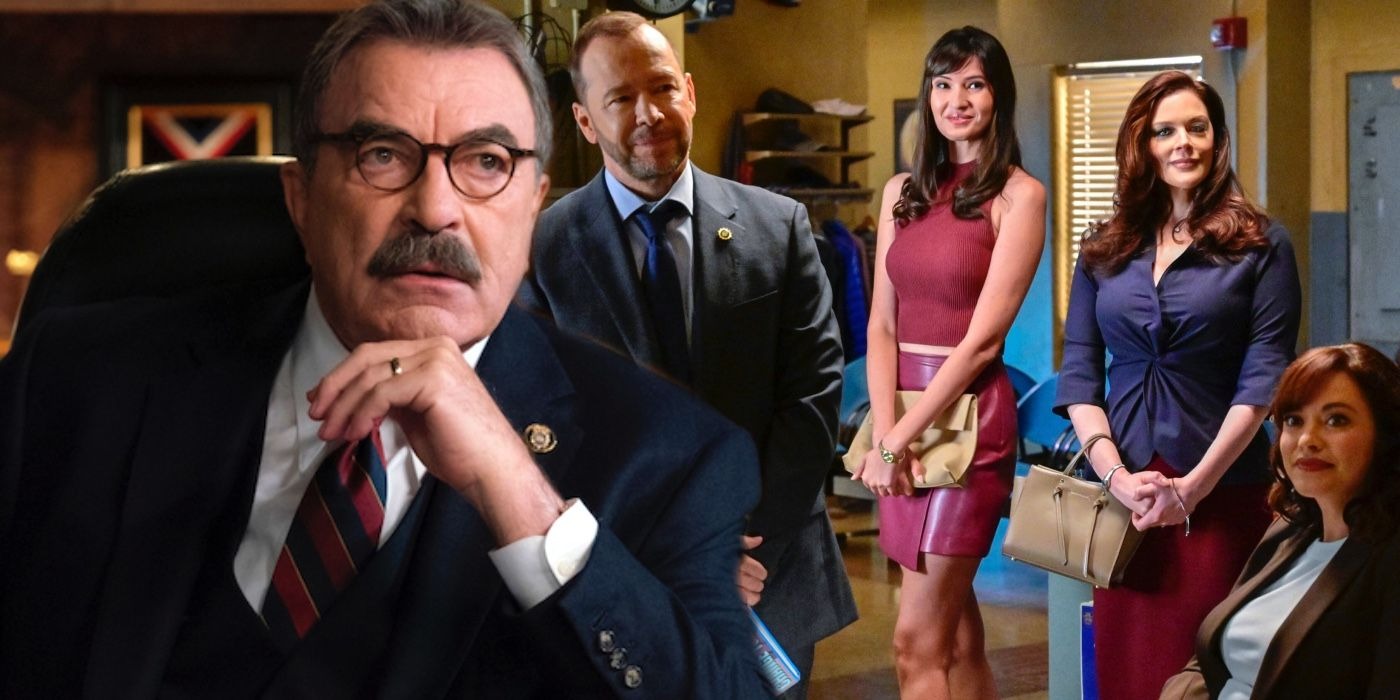
At the center of the conversation is Tom Selleck, whose portrayal of Commissioner Frank Reagan anchored the show from the very beginning. His performance gave Blue Bloods its gravitas — a steady presence balancing authority, vulnerability, and old-school conviction.
Selleck’s public reflections on the show’s conclusion were deeply emotional. He described the cast and crew as family and spoke candidly about how difficult it was to step away from a role that had defined such a significant chapter of his career. That sincerity resonated with viewers, many of whom felt they were losing more than just a favorite show.
But in discussing the ending, Selleck also avoided framing it as irreversible. His tone was reflective, not final — a nuance that fans quickly noticed.
Donnie Wahlberg’s “Major Hint”
If Selleck’s farewell stirred emotions, Donnie Wahlberg’s recent comments added fuel to the fire. Wahlberg, who portrayed Detective Danny Reagan, hinted in interviews that the Blue Bloods universe may not be as closed as it seems.
Without confirming anything outright, Wahlberg suggested that stories centered on the Reagan family still have “plenty left to explore.” He referenced the enduring bond among cast members and the show’s passionate fan base, implying that opportunities could arise if the timing and format were right.
It wasn’t an announcement — but it was enough to ignite speculation about potential revivals, spinoffs, or limited-event returns.
The Power of the Reagan Family Dynamic
One reason reboot rumors carry weight is the unique structure of Blue Bloods. Unlike many procedurals that rely primarily on case-of-the-week storytelling, the series built its identity around family dynamics. The weekly dinner scenes became iconic, serving as both thematic anchor and emotional centerpiece.
That structure makes revival particularly plausible. A reboot wouldn’t need to reinvent the wheel — it could simply revisit the Reagan family at a new stage of life. With generational transitions already baked into the narrative, the show has natural pathways for continuation.
Why Reboots Are More Common Than Ever
Television history suggests that few successful franchises truly stay dormant. In recent years, networks and streaming platforms have revived beloved series through limited runs, sequel series, or spinoff concepts.
Established intellectual property carries lower risk than launching entirely new concepts. A recognizable brand like Blue Bloods offers built-in audience loyalty, immediate marketing leverage, and strong nostalgia appeal. In a competitive content landscape, those factors matter enormously.
Given that context, rumors of a revival feel less far-fetched and more like a strategic possibility.
What Would a Revival Look Like?
Speculation naturally turns to format. Would a reboot center on Danny Reagan stepping into a leadership role? Could the focus shift toward the next generation of the Reagan family? Or might a limited-series event bring back Frank Reagan for one final chapter?
Another possibility is a thematic spinoff set within the same universe, preserving the moral complexity and family ethos that defined the original series while introducing new characters.
The show’s DNA — faith, duty, loyalty, and generational tension — remains adaptable. That flexibility makes a return creatively feasible without feeling redundant.
Fan Response: Hope Mixed With Skepticism
Unsurprisingly, fan reaction has been intense. Social media discussions surged following Wahlberg’s comments, with viewers debating whether reopening the series would honor or dilute its legacy.
Some argue that the emotional finale provided necessary closure and should remain untouched. Others believe the Reagan story still holds untapped potential and would welcome even a short revival.
The divide reflects a broader cultural conversation about nostalgia versus narrative finality. When a beloved show ends, fans must decide whether they want more — or whether preserving the memory is enough.
Tom Selleck’s Role in Any Future Plans
Perhaps the most critical factor in any reboot scenario is Tom Selleck himself. Frank Reagan wasn’t just a character — he was the moral compass of the series. His presence grounded every storyline.
If a revival were to move forward without Selleck, it would fundamentally change the show’s dynamic. Conversely, even a limited return from him could provide the emotional continuity fans crave.
While Selleck has expressed gratitude for the role, he has also acknowledged the physical and emotional demands of long-running television. Any future involvement would likely depend on scope, scheduling, and creative direction.
Is the Door Truly Closed?
Officially, Blue Bloods concluded its run. There has been no formal confirmation of a reboot or spinoff. However, in today’s television climate, “over” rarely means “forever.”
Wahlberg’s hint may have been casual, but its timing suggests that conversations — even informal ones — could be happening behind the scenes. Networks often gauge audience interest before committing to revivals, and the rapid fan response demonstrates that appetite still exists.
For now, the possibility remains just that — a possibility.
Legacy vs. Continuation
Every long-running series faces a delicate balance between preserving its legacy and extending its lifespan. A poorly executed revival risks tarnishing what made the original special. A thoughtfully crafted continuation, however, can deepen the story and introduce it to new generations.
Blue Bloods occupies a unique place in procedural television history. Its blend of family drama and police ethics created a tone that few series have replicated successfully.
Whether that legacy is best honored through permanence or revival remains an open question.
Final Thoughts: An Ending That Feels Open-Ended
So, is Blue Bloods really over? On paper, yes. In spirit, perhaps not.
Tom Selleck’s emotional exit underscored the weight of saying goodbye, but Donnie Wahlberg’s subtle hint suggests the Reagan family may not be finished just yet. In a television era where reunions and revivals are increasingly common, the possibility of returning to Sunday dinners at the Reagan table cannot be ruled out.
For now, fans wait — holding onto hope that the final goodbye might someday turn into a welcome-back.