
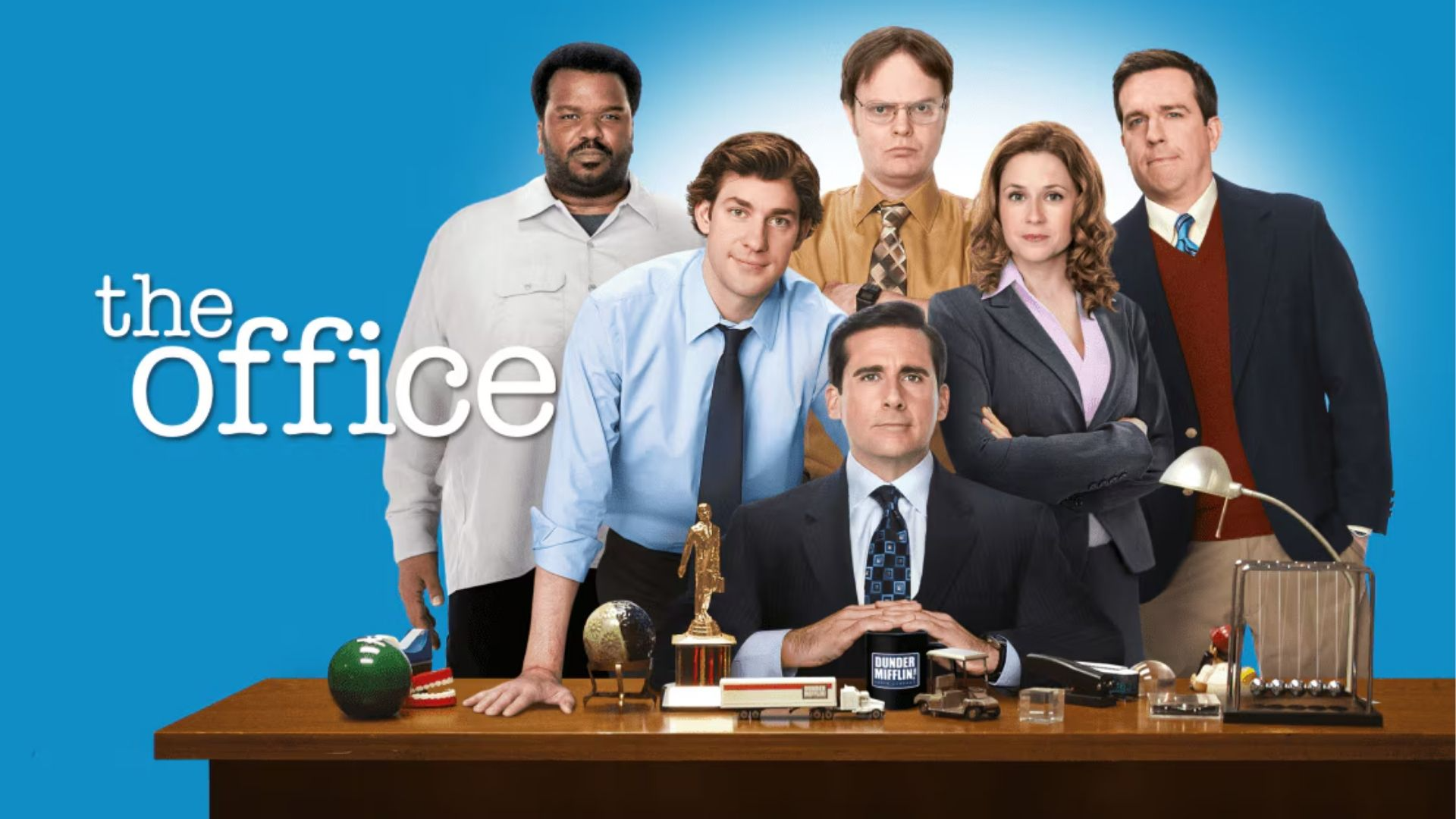
While The Paper immediately drew attention for its connection to The Office, what truly defines the series is its ensemble cast. Much like its predecessor, the show thrives on the chemistry between characters whose personalities clash, blend, and evolve within the confines of a workplace under constant pressure. The newsroom of the Toledo Truth-Teller is a chaotic ecosystem where ambition, humor, insecurity, and idealism collide daily — and it is this interplay that gives the series its heartbeat.
At the center of the newsroom stands the new editor-in-chief, a passionate yet slightly overwhelmed leader determined to modernize the paper without losing its soul. Their drive to reinvent the publication brings both inspiration and tension, especially when confronting longtime staff members who remain skeptical of change. This dynamic mirrors generational clashes familiar to modern workplaces, where younger, tech-savvy employees often challenge traditional methods.
Supporting the editor are reporters whose personalities offer comedic contrast. One investigative journalist is fiercely committed to uncovering meaningful stories but constantly bumps against bureaucratic obstacles — often creating absurd, documentary-worthy mishaps. Opposite them is a lifestyle columnist whose detachment from the paper’s financial and ethical crises provides comedic relief, as they care more about artisanal donuts than declining ad revenue.
Perhaps the most intriguing dynamic stems from the print veteran who has worked at the newspaper for decades. Their nostalgia for the paper’s glory days creates friction with modern strategies such as social media promotions, video content, and rebranding efforts. The documentary interviews capture their frustration with changes that seem to erase the tradition they’ve dedicated their life to preserving. This character becomes a living symbol of the newspaper’s internal conflict: survive or stay the same.
Then there’s Oscar Martinez. As the only returning character from The Office, Oscar occupies a unique position in the ensemble. His trademark dry wit and rational demeanor serve as a grounding force amidst the newsroom’s daily chaos. Unlike his days at Dunder Mifflin, Oscar now shoulders broader responsibilities as the paper’s accountant — a role that places him at the heart of key decisions, from budget cuts to restructuring plans. His presence also brings a quiet familiarity, allowing the audience to bridge the emotional gap between the old show and the new.
Another layer of character complexity emerges in the younger staff: interns, junior writers, and multimedia creators grappling with the uncertainty of entering a declining industry. Their optimism contrasts with the cynicism of seasoned employees, generating moments of humor and reflection about generational shifts in work ethic, expectations, and career identity.
 A recurring theme throughout the series is how these characters respond to external pressures. As the paper’s financial struggles mount, personal ambitions are tested. Rivalries form, alliances shift, and surprising friendships develop. The mockumentary format heightens the emotional impact by offering glimpses into each character’s inner world. Confessional interviews reveal private doubts, unspoken ambitions, and moments of vulnerability that deepen the comedy with raw humanity.
The interactions between these varied personalities create a symphony of workplace absurdity. A reporter’s earnest attempt to cover a local council meeting turns disastrous when technology fails. An intern’s social media campaign misfires spectacularly, leading to hilarious misunderstandings. The editor’s efforts to revitalize the paper often clash with traditionalists, resulting in emotionally charged debates that oscillate between laughter and frustration.
What elevates these dynamics is the show’s ability to portray characters not as caricatures but as flawed individuals navigating the complexities of a changing profession. Each character embodies a different aspect of the modern newsroom — ambition, nostalgia, innovation, exhaustion, hope. Together, they paint a portrait of a workplace on the brink, where relationships matter as much as deadlines.
Just as The Office used character interplay to create iconic moments, The Paper builds its humor and heart on the messy, unpredictable interactions that define the modern workplace. Through these dynamics, the series continues the tradition of finding comedy in chaos — and meaning in the mundane.