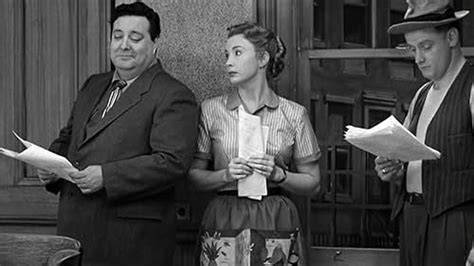
When discussing the history of television comedy, few shows carry the cultural weight of The Honeymooners. Though its famous run consisted of only the legendary “Classic 39” episodes, the show’s impact on sitcom storytelling has been enormous. From its character-driven humor to its working-class setting, The Honeymooners established patterns that later comedies would follow for decades.
Created and starring Jackie Gleason, the series revolved around the everyday struggles of Brooklyn bus driver Ralph Kramden and his sharp-witted wife Alice Kramden, along with their neighbors Ed Norton and Trixie Norton.
What made the show remarkable was its ability to blend explosive comedy with authentic portrayals of working-class life. This approach helped shape the DNA of the modern sitcom and influenced some of television’s most famous shows.
The Honeymooners and the Birth of the Sitcom Formula
Before The Honeymooners, television comedy was still experimenting with formats. Early shows often relied heavily on variety-style sketches or theatrical performances rather than structured storytelling.
The Honeymooners helped establish the sitcom format that viewers now take for granted. Episodes were built around a central problem—usually Ralph’s latest scheme to improve his life or make money—that escalated into comedic chaos before resolving by the end.
This storytelling structure became the foundation for countless sitcoms that followed. The idea of placing characters in everyday situations and allowing their personalities to drive the comedy became a defining feature of the genre.
Another key innovation was the show’s use of a small, consistent setting. Much of the action took place in the Kramden apartment, proving that compelling humor could come from dialogue and character interaction rather than elaborate sets.
This approach would later influence sitcoms such as All in the Family and many others built around domestic environments.
The Direct Influence on The Flintstones
One of the clearest examples of The Honeymooners’ influence can be seen in the animated classic The Flintstones.
When the animated series premiered in 1960, many viewers immediately recognized the similarities between its characters and those of The Honeymooners. The show’s creators openly acknowledged that they were inspired by Gleason’s sitcom.
The parallels are striking:
- Fred Flintstone’s loud personality closely resembles Ralph Kramden.
- Barney Rubble’s cheerful loyalty mirrors Ed Norton’s character.
- Wilma Flintstone shares Alice Kramden’s practical intelligence.
Even the comedic structure of the episodes follows the same formula. Fred often creates problems through impulsive decisions, while Barney enthusiastically joins his schemes—much like Ralph and Norton.
While The Flintstones transported the concept to a prehistoric setting, the character dynamics and comedic rhythm were clearly rooted in the success of The Honeymooners. In many ways, the animated series can be seen as a direct evolution of Gleason’s original concept.
The Character Archetypes That Defined Sitcom Comedy
One of the most important contributions of The Honeymooners was the creation of character archetypes that continue to appear in sitcoms today.
The Big Dreamer with Flawed Confidence
Ralph Kramden introduced a character type that would appear repeatedly in television comedy: the ambitious but often misguided dreamer.
Ralph constantly believed he was on the verge of success, whether launching a business idea or entering a competition. His overconfidence often led to hilarious failures, but audiences sympathized with his determination to improve his life.
This archetype can later be seen in characters such as Archie Bunker in All in the Family or many modern sitcom protagonists who pursue unrealistic dreams.
The Loyal and Quirky Best Friend
Ed Norton, played by Art Carney, established the classic sitcom sidekick archetype.
Unlike Ralph’s explosive personality, Norton was relaxed, cheerful, and endlessly supportive. Even when Ralph’s ideas were clearly doomed, Norton eagerly joined the adventure.
This type of character—the loyal but eccentric friend—became a staple of sitcom storytelling. Countless later shows have used similar friendships to generate comedic situations.
The Voice of Reason
Alice Kramden, portrayed by Audrey Meadows, introduced another essential sitcom archetype: the voice of reason.
While Ralph chased unrealistic schemes, Alice grounded the story with sharp humor and practical wisdom. Her sarcastic comments often served as the perfect counterbalance to Ralph’s exaggerated behavior.
This dynamic between the dreamer and the realist has become one of the most common patterns in sitcom writing.
The Working-Class Sitcom Tradition
Another major influence of The Honeymooners was its portrayal of working-class life. Instead of focusing on wealthy or glamorous characters, the show centered on ordinary people dealing with everyday problems.
Ralph worked as a bus driver, Norton as a sewer worker, and the couples lived in a modest apartment in Brooklyn. This realistic setting helped audiences connect with the characters on a deeper level.
The success of this approach encouraged later sitcoms to explore similar themes. Shows like All in the Family and others embraced the idea that comedy could come from relatable social and economic struggles.
In this sense, The Honeymooners helped move television comedy closer to real life.
The Influence on Modern Sitcom Production
Beyond characters and storytelling, The Honeymooners also influenced how sitcoms were produced.
The show’s use of multiple cameras filming in front of a live audience became a standard technique for decades. This format allowed actors to perform with theatrical energy while capturing multiple angles for television broadcast.
Many modern sitcoms still use this production method, demonstrating how enduring the show’s innovations have been.
Equally important was the show’s emphasis on performance. Jackie Gleason’s larger-than-life acting style encouraged comedians to bring bold personalities to television.
Why The Honeymooners Still Matters
Nearly seventy years after its debut, The Honeymooners continues to be studied by television historians and comedy writers.
The show proved that strong characters, relatable stories, and powerful performances could create lasting comedy even with simple production resources.
More importantly, it demonstrated that sitcoms could reflect real human experiences—dreams, frustrations, friendships, and love.
That legacy remains visible in countless shows that followed.
A Lasting Classic TV Legacy
The influence of The Honeymooners extends far beyond its original run. From inspiring animated classics like The Flintstones to shaping the structure of modern sitcoms, the show helped define what television comedy could be.
Its characters introduced archetypes that continue to appear across generations of entertainment. Its storytelling techniques became the foundation for the sitcom genre.
Today, when viewers revisit the series, they are not just watching an old television show—they are witnessing one of the key turning points in sitcom history.
For anyone interested in Honeymooners influence, sitcom history, or the enduring power of classic TV legacy, the impact of The Honeymooners remains impossible to ignore.