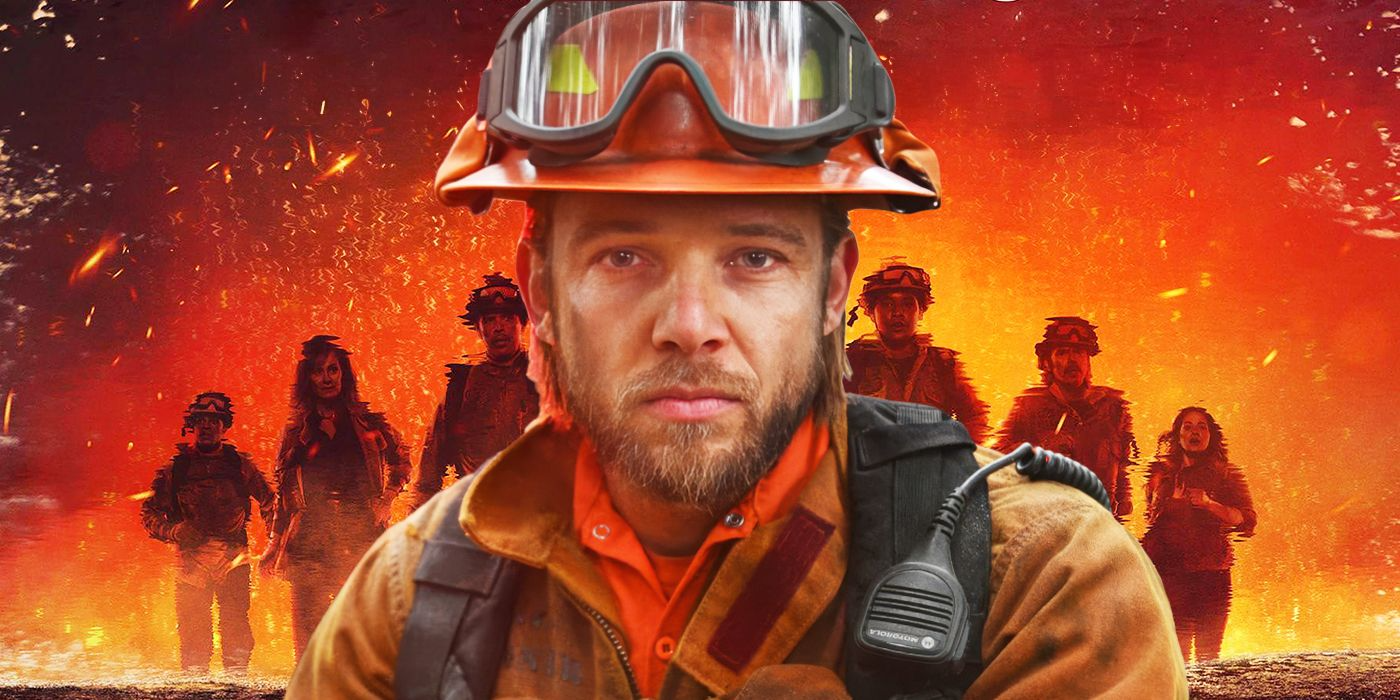
From the moment Fire Country premiered, Bode Donovan quickly became one of television’s most complex, emotionally charged, and compelling protagonists. His journey—from a troubled inmate seeking redemption to a man fighting for a second chance at life—has defined the heart of the series. As each season unfolds, Bode’s evolution feels not only dramatic but deeply human, shaped by hardship, hope, sacrifice, and the relentless weight of his past. The question now is simple yet powerful: how far has Bode really come?
Bode’s story began with a devastating mistake that landed him in prison, a mistake that continued to haunt him long after his sentence began. Joining the Cal Fire inmate program wasn’t just an opportunity for early release—it was a lifeline, a way to rebuild some semblance of the person he used to be. But returning to Edgewater, the town he ran from, forced him to confront everything he had tried to forget: a fractured family, broken relationships, and the guilt he carried like a shadow.
Through wildfires, rescues, and losses, Bode’s time on the fire lines became less about survival and more about transformation. Each fire pushed him to face not only the dangers in front of him but the ones burning inside. The physical battles mirrored his emotional ones—every life saved, every sacrifice made, every setback endured shaped him into someone stronger, more resilient, and more self-aware. His path was never linear; every step forward seemed to come with another painful reminder of how far he still had to go.
Perhaps the most remarkable part of Bode’s journey is his fight to rebuild relationships. His complicated bond with his parents—Sharon and Vince—evolved from resentment and misunderstanding into something far deeper and more honest. Bode’s efforts to earn back their trust, to become a son they could be proud of, added emotional layers that resonated with fans. Meanwhile, his dynamic with Gabriela brought warmth, heartbreak, and hope, demonstrating how love can heal—but also how fragile second chances can be.
Bode’s growth has also been defined by his willingness to take responsibility. Where he once ran from his mistakes, he now faces them head-on, even when the consequences are devastating. His choices—both heroic and flawed—showcase a man trying to redefine himself in a world that refuses to forget who he used to be. And that internal conflict is what makes his journey so gripping: he is constantly battling between who he was, who he is, and who he wants to become.
As the series moves forward, Bode stands at a crossroads. He is no longer the scared, impulsive young man burdened by guilt; he is a fighter, a protector, and someone who understands the true cost of redemption. But his story is far from over. If Fire Country has taught us anything, it’s that growth comes with pain—and Bode still has scars left to confront, truths left to face, and fires—both literal and emotional—still waiting for him.
So how far has Bode come? Farther than anyone expected. But his journey is still unfolding, and every episode promises new challenges that will continue to shape him. In a show built on danger, heart, and resilience, Bode Donovan remains its most powerful reminder that redemption isn’t a destination—it’s a fight that never truly ends.