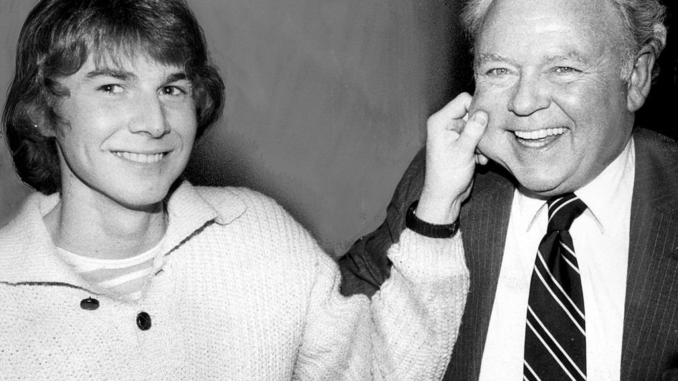
When All in the Family first aired in 1971, it didn’t just entertain viewers — it challenged them. The sitcom broke barriers by addressing topics many television shows once avoided, from generational conflict to shifting social values. At the center stood Carroll O’Connor, delivering a performance so powerful that Archie Bunker became one of the most unforgettable characters in television history.
But when an actor becomes inseparable from a role, success can come with complicated emotions. It leaves many fans wondering:
Did Carroll O’Connor ever wish something had turned out differently after the show ended?
The Burden of Being Too Convincing
Archie Bunker was written as a deeply flawed man — stubborn, outspoken, and often resistant to change. The genius of the show was its use of humor to encourage reflection rather than simple agreement.
O’Connor understood the responsibility that came with portraying such a character. Yet over the years, one concern seemed to follow the legacy of the show: some viewers misunderstood the satire.
Instead of recognizing Archie as a mirror meant to spark conversation, a portion of the audience saw him as someone to admire. For an actor devoted to thoughtful storytelling, that kind of misinterpretation could feel unsettling.
After all, satire only works when people recognize it as satire.
Still, O’Connor never distanced himself from the role. He approached Archie with nuance, ensuring the character remained human — not merely controversial.
When a Role Follows You Forever
Many performers dream of landing a part that defines an era. Few consider what happens afterward.
For O’Connor, Archie Bunker became both a triumph and a shadow. Even as he moved on to other acclaimed work and demonstrated impressive range, audiences continued to associate him with the outspoken Queens dockworker.
This is the paradox of iconic television: the more unforgettable the character, the harder it is for viewers to separate actor from persona.
Rather than resent this, O’Connor appeared to accept it with professionalism. Yet it’s easy to imagine that, like any serious artist, he hoped people would remember the full breadth of his craft — not just the role that made him famous.
A Tragedy That Changed Everything
If there was a moment that truly reshaped Carroll O’Connor’s perspective, it came not from Hollywood but from his personal life.
The loss of his only son in the 1990s brought a profound grief that no career success could soften. In the years that followed, O’Connor became an advocate for greater awareness around substance abuse, channeling his pain into action.
Friends often described his resilience — how he continued forward with strength and purpose despite carrying such heartbreak.
When life delivers that kind of sorrow, professional regrets tend to lose their weight.
What once seemed important suddenly feels small.
So What Was His Biggest Regret?
There is no widely recorded confession of a single defining regret. No dramatic statement about fame, scripts, or the pressures of television.
But if one quiet wish can be sensed through his reflections, it may have been this:
That audiences would always understand the intention behind the laughter.
Because All in the Family was never meant to provide easy comfort. It was designed to provoke thought, encourage dialogue, and reflect a society learning — sometimes painfully — how to change.
And conversation only matters when people look beyond the joke.
A Legacy That Doesn’t Need Rewriting
Today, decades after its original broadcast, All in the Family remains one of the most studied sitcoms ever created. Archie Bunker continues to spark debate, exactly as the writers intended.
As for Carroll O’Connor, his career tells a story not of regret, but of courage.
He chose challenging material.
He trusted viewers to engage with difficult themes.
He helped redefine what television could dare to say.
So perhaps the better question isn’t what he wished had been different.
Perhaps it’s this:
How many actors are brave enough to change an entire medium?
Carroll O’Connor didn’t just play a character remembered for generations.
He helped create television that refused to be forgotten.