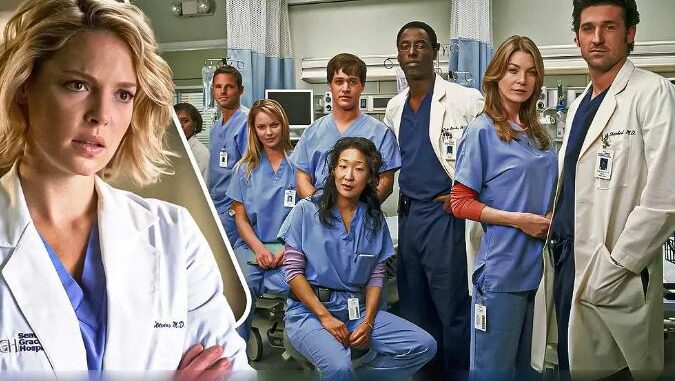
Grey’s Anatomy: The Hidden Mystery Behind the Characters’ Departures
Few television shows have said goodbye to as many characters as Grey’s Anatomy. Over its long and winding run, the series has seen doctors arrive with ambition and leave with heartbreak, closure, or sudden tragedy. While on the surface these departures may seem like routine cast changes, many fans believe there is something deeper at play—a hidden pattern that shapes how and why characters disappear from Grey Sloan Memorial.
From shocking deaths to quiet exits, each farewell carries emotional weight. Yet when fans look back, a question lingers: why do so many characters leave just as they reach a turning point? Whether it’s professional growth, personal healing, or romantic stability, departures often occur when a character seems poised for something more. This recurring timing has fueled endless speculation within the fandom.
One theory suggests that Grey’s Anatomy treats departure as a form of transformation rather than an ending. Characters rarely leave without being changed by the hospital. Some are forced out by tragedy, while others choose to walk away, realizing that staying would cost them more than leaving. In this sense, Grey Sloan becomes a crucible—those who survive it long enough eventually outgrow it, or are broken by it.
Another mystery lies in the emotional contrast between exits. Certain characters are given deeply meaningful send-offs, filled with callbacks, heartfelt dialogue, and a sense of closure. Others vanish abruptly, their stories wrapped up in a single episode or, at times, off-screen. This inconsistency has left fans wondering whether these choices are driven purely by narrative needs—or by something less visible.
Behind the scenes, practical reasons often influence departures, but the show rarely lets those realities show. Instead, writers weave exits into the fabric of the story, often using them to reinforce the show’s central themes: loss, impermanence, and resilience. Grey Sloan is not a place where people stay forever. It’s a place that teaches them who they are, often through pain.
Meredith Grey’s role in these departures adds another layer of mystery. As the show’s emotional center, she often serves as a witness to these goodbyes. Friends, mentors, lovers, and colleagues pass through her life, shaping her and then leaving. Some fans believe these departures mirror Meredith’s own journey—each loss pushing her further toward independence, strength, and emotional self-reliance.
There’s also the idea that the hospital itself functions almost like a character. Disasters, accidents, and sudden twists seem to target those who become too comfortable. The moment stability sets in, chaos follows. Fans have long joked that happiness at Grey Sloan is a warning sign, and character departures often reinforce that belief. Comfort invites disruption, and no one is ever truly safe.
What makes these exits so compelling is that they reflect real life in uncomfortable ways. People leave jobs, cities, and relationships without dramatic closure. Sometimes they disappear quietly, leaving behind unanswered questions. Grey’s Anatomy captures that uncertainty, even when it frustrates viewers. The mystery isn’t just why characters leave—it’s why their absence continues to resonate.
Despite the pain, these departures are a key reason the show remains emotionally powerful. Each goodbye reshapes the dynamics of the remaining characters, creating space for new stories while honoring old ones. The hospital evolves, just as its people do.
In the end, the hidden mystery behind the characters’ departures may not be about secrets or behind-the-scenes drama at all. It may simply be the show’s way of reminding us that nothing is permanent—not careers, not relationships, and not even the people we grow to love.
And that truth, quietly woven into every farewell, is what keeps Grey’s Anatomy unforgettable.