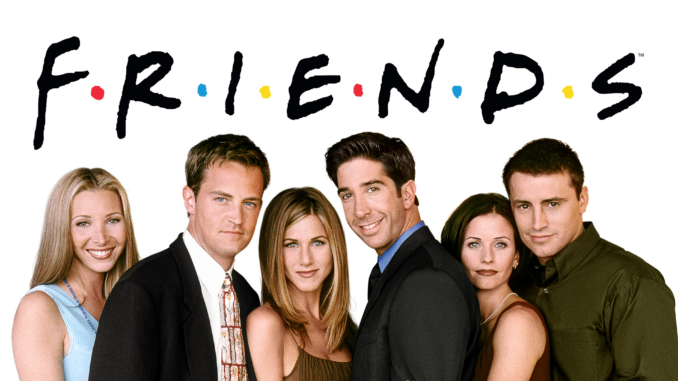
For ten unforgettable seasons, Friends wasn’t just a sitcom — it was a cultural reset. A Thursday-night ritual. A comfort blanket for millions around the world. And even more than twenty years after its finale, the conversation hasn’t slowed down. If anything, it’s grown louder.
From unexpected cast revelations to emotional tributes and reunion reflections, Friends continues to dominate headlines and social feeds. But what exactly is fueling the renewed frenzy?
Let’s break down the moments, the actors, and the lingering questions that refuse to fade.
The Aftershock That Reignited Global Conversation
When the cast reunited for the highly anticipated special on Friends: The Reunion, nostalgia hit hard. But it wasn’t just a sentimental look back. It reopened debates, sparked behind-the-scenes confessions, and reminded audiences how deeply embedded the show remains in pop culture.
Stories about on-set crushes. Admissions of behind-the-scenes tension. Reflections on fame that spiraled faster than anyone expected.
Suddenly, Friends felt brand new again.
And then came the moment that changed everything.
Matthew Perry and the Emotional Reckoning
The passing of Matthew Perry sent shockwaves through Hollywood and beyond. For many fans, Chandler Bing wasn’t just a character — he was comfort personified.
Tributes poured in from co-stars:
-
Jennifer Aniston
-
Courteney Cox
-
Lisa Kudrow
-
Matt LeBlanc
-
David Schwimmer
Their joint statement was brief but devastatingly heartfelt. It reminded fans that what we saw on screen wasn’t entirely fiction. The bond was real.
In the aftermath, streaming numbers surged. Old episodes resurfaced in trending lists. Iconic Chandler one-liners were shared like collective therapy.
The show wasn’t just remembered. It was mourned.
Why the Show Feels Different Now
Watching Friends today carries a new emotional weight.
Moments that once felt purely comedic now feel layered. Chandler’s sarcasm hits differently knowing Perry’s personal battles. Monica and Chandler’s love story feels even more tender. Scenes of the group gathered in Central Perk feel like snapshots of something irreplaceable.
It’s not just nostalgia anymore. It’s legacy.
The Reunion Revelations That Still Spark Debate
The 2021 special didn’t just deliver fan service. It stirred controversy.
Jennifer Aniston and David Schwimmer revealed they had real-life crushes during the early seasons. Fans who rooted for Ross and Rachel suddenly rewatched the series with new perspective. Were those lingering glances acting — or something more?
Meanwhile, discussions resurfaced about the show’s cultural footprint:
-
Representation debates
-
Storylines that haven’t aged seamlessly
-
The pressure of 1990s superstardom
Instead of diminishing the show, these conversations expanded it. Friends became part of a larger dialogue about television evolution.
From Sitcom to Global Empire
Originally airing on NBC in 1994, Friends quickly transformed from ensemble comedy to phenomenon.
The finale in 2004 drew over 50 million viewers in the United States alone. Few modern shows can replicate that scale of shared experience.
And then came the streaming era.
When the series moved to Netflix, a whole new generation discovered it. Later, its transition to HBO Max reignited demand yet again.
Teenagers who weren’t born when the finale aired now debate whether Ross and Rachel were “on a break” as passionately as fans did in 1997.
That’s not just longevity. That’s cultural immortality.

The Cast’s Evolving Relationship With Fame
In recent interviews, several cast members have reflected on how overwhelming the show’s success truly was.
Jennifer Aniston has spoken about the surreal experience of becoming one of the most recognizable faces in the world almost overnight. David Schwimmer admitted he struggled with the loss of anonymity. Lisa Kudrow described the delicate balance between comedy and emotional truth.
Fame in the 1990s wasn’t filtered through social media — but it was relentless.
Looking back, the cast now speaks with gratitude, but also with clarity about the cost of global obsession.
Could There Ever Be Another Reunion?
Here’s the question that never goes away.
After Matthew Perry’s passing, many fans wonder if another reunion is even possible — or appropriate.
Some believe the 2021 special was the perfect final bow. Others hope for a tribute-centered project celebrating Perry’s legacy.
But the cast has been cautious. They’ve emphasized protecting what Friends represents rather than overextending it.
And maybe that restraint is exactly why the show still feels sacred.
Why ‘Friends’ Still Dominates the Conversation
In an era of fast content and disposable series, Friends remains strangely untouchable.
It offered:
-
Found-family comfort before the term was trendy
-
Romantic arcs that fueled years of debate
-
Catchphrases embedded in everyday language
-
A template for ensemble sitcom chemistry
Most importantly, it arrived at a cultural sweet spot — pre-streaming, pre-fragmentation — when millions watched together in real time.
That kind of shared memory is rare now.
The Emotional Echo That Won’t Fade
Every time a clip resurfaces, every time a cast interview trends, every time fans revisit the finale, the same realization hits:
This wasn’t just a show about six friends in New York.
It was a time capsule.
A snapshot of youth, ambition, heartbreak, and belonging.
And as long as people crave comfort television, Central Perk’s orange couch will never truly be empty.
So… Why Is Everyone Talking About ‘Friends’ Again?
Because legacy doesn’t fade quietly.
Between reunion revelations, heartfelt tributes, streaming dominance, and ongoing cultural debate, Friends continues to evolve long after its final episode.
It’s no longer just a 1990s sitcom.
It’s a living conversation.
And whether that conversation leads to another tribute, a documentary, or simply another late-night rewatch, one thing is certain:
We’ll still be there for it.