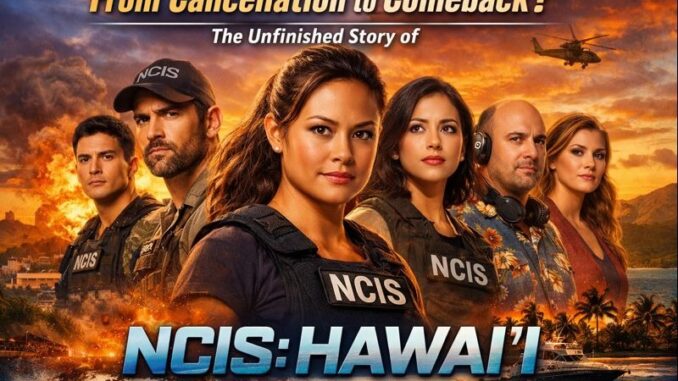
When NCIS: Hawai’i was abruptly canceled, fans didn’t just feel disappointed — they felt blindsided. One moment, the series was expanding the beloved NCIS universe with fresh characters and stunning island visuals. The next, it was gone. No proper goodbye. No satisfying closure. Just silence.
But here’s the thing: canceled doesn’t always mean finished. And in today’s streaming-driven era, canceled shows have a funny way of coming back when you least expect it.
So… is NCIS: Hawai’i truly over? Or is this just an intermission before a comeback? Let’s unpack the unfinished story.
The Rise of NCIS: Hawai’i: A Bold New Chapter for the Franchise
Why NCIS: Hawai’i Felt Different From Day One
Unlike its predecessors, NCIS: Hawai’i didn’t just relocate the action — it reinvented the tone. The show blended high-stakes investigations with emotional depth, island culture, and a more character-driven narrative.
Set against the breathtaking backdrop of O‘ahu, the series felt warmer, more personal, and surprisingly grounded.
It wasn’t just another procedural. It was NCIS with a soul.
A Franchise First That Made History
One of the show’s biggest milestones was introducing the franchise’s first female lead — a bold, overdue move that resonated with audiences.
This wasn’t token representation. It was thoughtful, powerful storytelling that placed leadership, vulnerability, and resilience at the forefront.
And fans noticed.
Strong Ratings, Loyal Fans — So Why the Cancellation?
The Numbers Didn’t Tell the Whole Story
On paper, NCIS: Hawai’i performed solidly. It wasn’t a ratings juggernaut, but it consistently delivered respectable viewership — especially when factoring in delayed and streaming numbers.
So what went wrong?
Behind-the-Scenes Factors That Sealed Its Fate
The cancellation wasn’t about quality. It was about cost.
Filming in Hawai’i is expensive. Add rising production budgets, shifting network strategies, and an industry-wide pullback on scripted content, and suddenly even “successful” shows become vulnerable.
In other words, NCIS: Hawai’i became a victim of timing.
A Finale That Didn’t Feel Like a Goodbye
Unresolved Storylines That Still Haunt Fans
Here’s what really stung: the show didn’t get a true ending.
Character arcs were left open. Emotional threads dangled. Future conflicts were teased but never explored.
It felt less like a finale and more like a cliffhanger that never paid off.
Why Fans Felt Cheated — And Rightfully So
Imagine investing years into characters, relationships, and emotional journeys… only to have the story stop mid-sentence.
That’s what made the cancellation hurt. Not just because the show ended, but because it ended unfinished.
Fan Campaigns Refuse to Let the Show Fade Away
Social Media Became the Battleground
From petitions to trending hashtags, fans mobilized fast. Platforms like X, Instagram, and TikTok became rallying points for viewers demanding justice for the show.
And this wasn’t casual complaining. It was organized, passionate, and loud.
Why Fan Power Matters More Than Ever
We’ve seen it before:
-
Lucifer
-
Brooklyn Nine-Nine
-
Manifest
Fan demand can change outcomes. Networks and streamers listen when engagement is strong — and NCIS: Hawai’i still has that engagement.
Could Another Network or Streamer Save NCIS: Hawai’i?
Streaming Platforms Are Hungry for Established IP
Let’s be real — recognizable franchises are gold.
With the NCIS brand already proven, NCIS: Hawai’i is an attractive pickup. Streamers love shows with built-in audiences, and this one already has a loyal fanbase.
Why a Streaming Revival Makes Perfect Sense
A streaming format could actually improve the show:
-
Fewer episode restrictions
-
Deeper character arcs
-
More serialized storytelling
-
Flexible budgets
In other words, the show could finally breathe.
The Cast’s Silence Speaks Volumes
No Farewell Posts, No Final Closure
Here’s something interesting: many cast members never posted definitive goodbye messages.
That’s not typical.
Usually, cancellations come with emotional send-offs. With NCIS: Hawai’i, there was… hesitation. Almost like everyone was waiting.
An Open Door, Not a Closed One
In Hollywood, silence often means negotiations, possibilities, or hope. And hope is a powerful thing.
The NCIS Universe Is Still Expanding
Why That Works in Hawai’i’s Favor
The NCIS franchise isn’t slowing down. New projects, crossovers, and expansions prove the brand is alive and evolving.
And that raises a big question: why abandon a fully built world with rich characters when it could easily be reintegrated?
Crossover Potential Keeps the Story Alive
Even a limited revival — a miniseries, a crossover arc, or a streaming special — could give fans closure or even spark a full return.
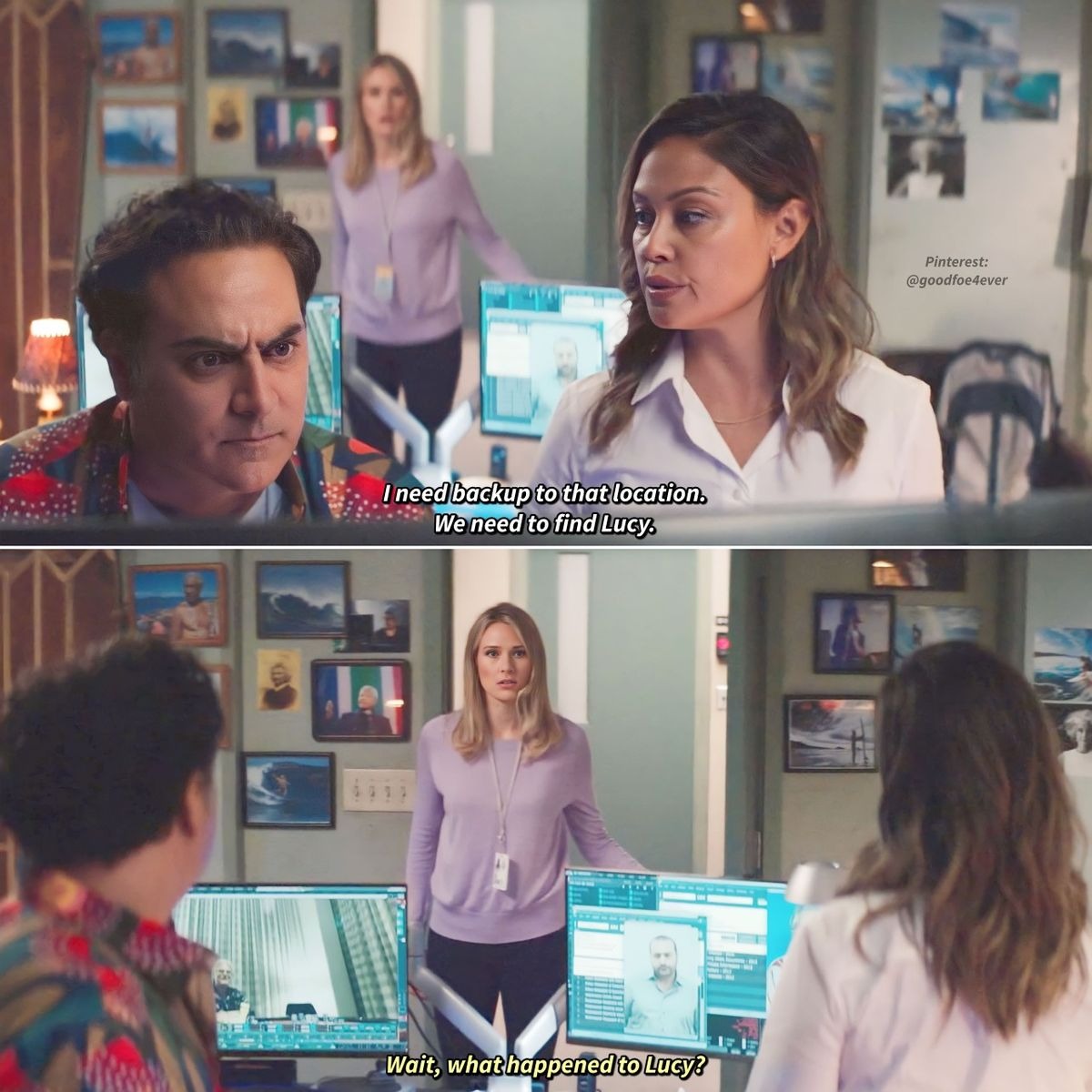
What a Comeback Could Look Like
Option 1: A Streaming Revival Season
This is the dream scenario. A shorter, tighter season that finishes what the network couldn’t.
Option 2: A Limited Event Series
Think of it like a movie-length arc spread across a few episodes. Enough to resolve lingering questions.
Option 3: Characters Return Elsewhere
Even if the show doesn’t return in full, the characters could live on in other NCIS projects.
Why NCIS: Hawai’i Still Matters
Representation That Felt Real, Not Forced
The show didn’t just feature diversity — it respected it. Cultural authenticity wasn’t an afterthought. It was woven into the story.
A Warmer, More Human NCIS Experience
This version of NCIS focused on emotional intelligence just as much as forensic science. And that balance made it special.
Is a Comeback Likely or Just Wishful Thinking?
Let’s be honest: there are no guarantees.
But in an industry where canceled shows keep returning, and where fan demand drives decisions, NCIS: Hawai’i isn’t out of the game yet.
It’s not dead. It’s dormant.
Conclusion: The Story Isn’t Over Yet
NCIS: Hawai’i didn’t get the ending it deserved — but that doesn’t mean its story is finished. With loyal fans, unresolved narratives, and a powerful franchise behind it, the show remains one of television’s most intriguing “what ifs.”
Sometimes, cancellation isn’t the end.
Sometimes, it’s just the pause before the comeback.