
As a long-time Blue Bloods fan, I was genuinely saddened when the series came to an end. Like many viewers, I had grown attached not only to its characters, but to the world it created—one that felt grounded, authentic, and respectful of real-life policing. So when I learned about the spin-off, Boston Blue, I was excited. It seemed poised to open a new chapter while preserving a familiar connection through Danny Wahlberg’s character.
Unfortunately, I have to admit that Boston Blue has not drawn me in the way Blue Bloods once did.
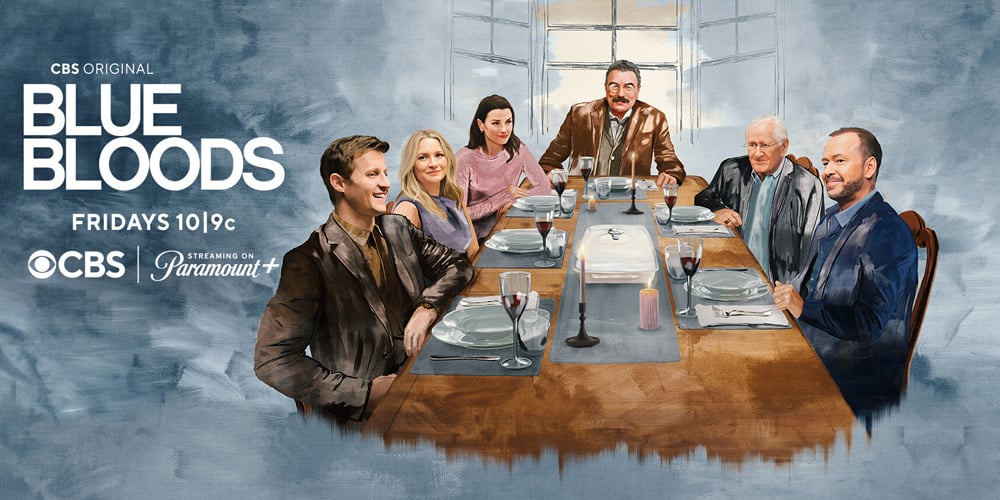
One of the greatest strengths of Blue Bloods was its attention to detail and its commitment to authenticity in portraying the NYPD. The writers and producers clearly wanted compelling storylines, but they made sure those stories were rooted in realistic procedures and believable department culture. Today’s viewers are informed and observant; they want to feel immersed, as if they are witnessing life inside the department rather than watching a loosely constructed drama.
This is where Boston Blue begins to miss the mark—particularly in its portrayal of the Boston Police Department.
To start, the depiction of two academy graduates riding together as rookies strains credibility. In any major police department, new officers require supervision, mentorship, and guidance from seasoned veterans. Pairing two recruits together undermines that reality. A more believable—and potentially richer—storyline could have placed them on the same squad under experienced supervision, allowing their friendship to develop naturally as they crossed paths on calls.
Another major issue lies in the role of leadership. In what major department does a Superintendent routinely attend calls or personally lead investigations? Superintendents are administrators; they are largely desk-bound and would only appear at the highest-level incidents to receive briefings—not to lead SWAT teams through doors. This creative choice weakens the realism that Blue Bloods once handled so well.
Danny’s character presents perhaps the most glaring problem. Watching him charge into scenes in an entirely new city and state, shouting “NYPD,” raises serious legal and procedural concerns. From a district attorney’s perspective, the implications would be enormous. Had the show established Danny relocating to Boston, formally joining the BPD, and being sworn in as an experienced detective, the storyline would be far more believable—and far easier to accept.
Boston Blue still has potential, but if it hopes to endure beyond its initial season, some retooling is necessary. The show would benefit greatly from portraying the Boston Police Department as what it truly is: a historic, respected, and long-serving institution. Refining the characters and tightening the storylines would help restore credibility.
At the moment, the series feels as though it is trying to be everything at once—checking too many boxes and addressing too many politically correct scenarios, rather than allowing those themes to emerge organically over time.
Ultimately, Boston Blue is not beyond saving. But authenticity was the foundation of Blue Bloods, and without reclaiming that sense of realism, this spin-off risks losing the very audience it hoped to inherit.
Only time will tell.