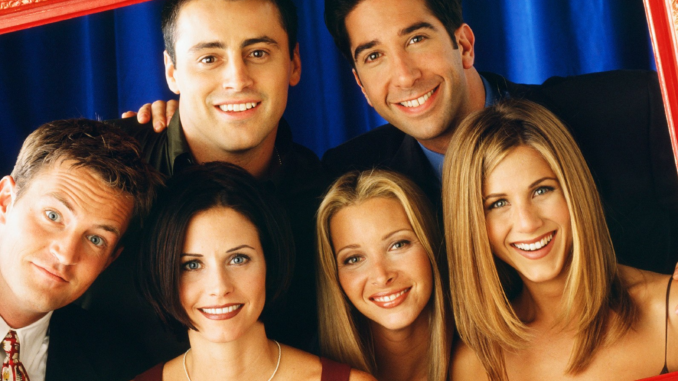
One of the most heated conversations surrounding Friends right now isn’t about reunions or spin-offs — it’s about whether the show could even exist if it premiered today.
Across interviews, opinion pieces, and fan debates, a recurring claim keeps surfacing: Friends would never survive modern TV standards. Critics argue that the show lacks diversity, leans on outdated jokes, and reflects a 1990s worldview that wouldn’t pass today’s cultural scrutiny. Some even label it “problematic,” suggesting it belongs firmly in the past.
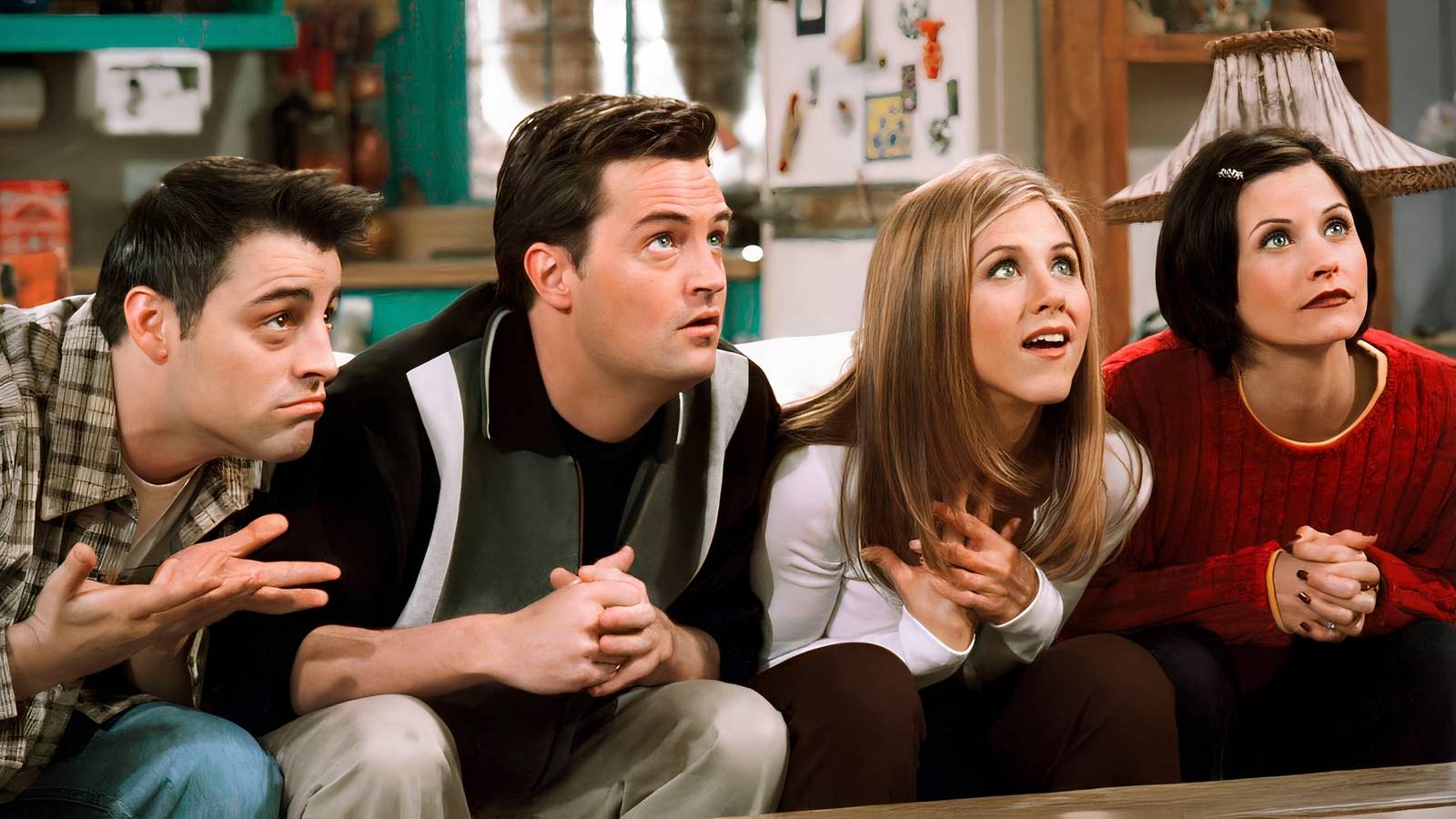
But here’s where the debate gets interesting.
Fans have pushed back hard, saying Friends shouldn’t be judged by today’s rules alone. They argue that the show was never trying to be a social manifesto — it was a comfort sitcom, built on friendship, timing, and chemistry. What it offered wasn’t realism, but relatability: awkward dating, career anxiety, chosen family, and the fear of growing up.
Even members of the cast have weighed in over the years, acknowledging that television has evolved — but also defending the show’s heart. The laughter wasn’t cruel, fans say; it was human. And the fact that Friends continues to dominate streaming charts decades later suggests something deeper than nostalgia is at work.
This debate has turned Friends into a cultural mirror. It forces audiences to ask uncomfortable questions:
Can we appreciate art without rewriting it?
Should older shows evolve — or be preserved as time capsules?
And is comfort television still allowed to just… comfort?
Whether you see Friends as outdated or timeless, one thing is undeniable:
few shows spark this level of conversation so many years later.
And maybe that’s the ultimate proof of its legacy —
Friends isn’t just being rewatched.
It’s still being argued about.