🌊 The Golden Age of Disaster: Why the 1970s Ruled High-Stakes Thrillers
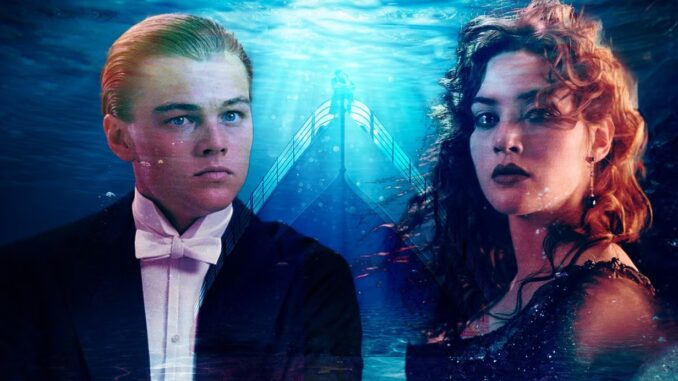
We all know the great cinematic maritime disaster. We picture the grand staircase flooding, the violins playing, and Leonardo DiCaprio freezing in the frigid North Atlantic. James Cameron’s Titanic (1997) is, by all measures, a masterpiece that captured the romance and tragedy of the 20th century’s most infamous nautical disaster. Its sinking sequence is a benchmark of visual effects and heart-wrenching drama.
But let me tell you something controversial: when it comes to the sheer, relentless horror and visceral tension of a ship capsizing and sinking, Titanic—despite its budget and technology—simply did not do it better than a particular 1970s classic. We are talking about the granddaddy of all disaster films: Irwin Allen’s The Poseidon Adventure (1972).
If Titanic is the romantic epic of a doomed voyage, The Poseidon Adventure is a white-knuckle, claustrophobic survival thriller. It stripped away the romance and focused mercilessly on the physics of disaster and the psychology of survival. It didn’t just sink a ship; it trapped us inside an inverted, flooded, metal tomb, and that, my friends, is a far more terrifying cinematic experience.
🚢 The Core Concept: Inversion is Terrifying
The fundamental difference between the two films is their approach to the sinking itself, and this is where The Poseidon Adventure earns its stripes as the superior disaster thriller.
The Cataclysmic Turn: The Inverted Horror
In The Poseidon Adventure, the titular luxury liner is struck by a massive rogue wave on New Year’s Eve. The ship doesn’t slowly founder like Titanic; it is instantly and violently capsized.
-
The Immediate Chaos: The opening sinking sequence is brief, brutal, and utterly chaotic. Gravity is instantly reversed. Ceilings become floors, and furniture flies. This immediate shift forces the survivors to grasp a terrifying new reality: they are inside an upside-down shell, and water is everywhere.
-
The Trapped Feeling: Titanic focused on escaping the ship and the vastness of the ocean. Poseidon focuses on the impossibility of escape. The characters aren’t fighting the ocean; they’re fighting the ship’s internal structure—locked doors, collapsing metal, and the endless climb upwards through the belly of the submerged beast.
🎭 The Psychology of Survival: Action Over Romance
While Titanic spent its first half building the relationship between Jack and Rose, setting the stage for emotional devastation, The Poseidon Adventure was a relentless study of human resilience and conflict under duress.
The Clashing Personalities: The Survival Group
The film gathered an all-star cast (a signature of ’70s disaster movies) and placed them in immediate conflict.
-
Reverend Frank Scott (Gene Hackman): The defiant, pragmatic leader who refuses to wait for rescue and insists on climbing up. He represents action and faith through works.
-
Manny Rosen (Jack Albertson) and Belle Rosen (Shelley Winters): The elderly, sentimental couple who represent unconditional love and sacrifice.
-
Mike Rogo (Ernest Borgnine): The cynical, selfish detective who represents self-preservation and skepticism.
This group wasn’t concerned with class differences or romantic entanglements; they were focused solely on the next physical obstacle. This clean focus on the primal urge to survive makes the tension purely immediate and high-stakes. Every choice matters, every step is life or death.
🛠️ The Ingenuity of Practical Effects: Real Water, Real Fear
One reason the sinking feels so impactful in The Poseidon Adventure is the practical effects. In the 1970s, there was no sophisticated CGI to bail out the set designers. Everything had to be built, drenched, and tipped.
Building the Impossible: The Tilted Sets
To achieve the effect of an inverted ship, the filmmakers built massive, elaborate sets that were designed to be tilted, flooded, and destroyed.
-
The Ballroom: The iconic scene in the grand ballroom saw hundreds of actors sliding across the “new floor” (the former ceiling) as water poured in. The sheer scope of this physical set piece, shot with real water and real stunt people, gives the chaos a gritty, authentic texture that CGI often sanitizes.
-
The Flooded Shafts: The close-up shots of characters struggling through water-filled, narrow elevator shafts and corridors feel intensely claustrophobic precisely because the actors were genuinely struggling through those meticulously built, confined spaces. The fear you see on their faces is partially fueled by the very real physical challenge of the set.
Compare this to Titanic, where many of the interior flooding shots were aided by blue screen and composite shots. While visually beautiful, the tactile, physical horror of Poseidon often feels more immediate.
📉 Titanic‘s Flaw: Trading Tension for Scale
Don’t misunderstand; Titanic is a spectacular film. But when analyzing it purely as a sinking ship thriller, it makes a few choices that inadvertently dilute the immediate tension that Poseidon mastered.
The Slow Burn and the Open Air
Titanic’s sinking is a slow, gradual process, punctuated by moments of mass panic.
-
Plenty of Time to Escape: The audience knows the ship takes hours to sink, giving the central characters (and us) time to breathe, run around, and process the loss.
-
The Escape Route: Once Jack and Rose are on the decks, their goal is clear: get off the boat and into the water. This shifts the terror from claustrophobic entrapment to exposure and hypothermia. Hypothermia is tragic, but being crushed or drowned inside the structure feels more actively terrifying.
The Poseidon Adventure offers no such luxury. The disaster is instantaneous, and the mission isn’t “get out,” but “get up,” to the hull, the only place offering hope of air.
⚓ The Narrative Focus: Internal Conflict vs. External Disaster
The Poseidon Adventure brilliantly uses its disaster setting to expose the best and worst in humanity, a common theme, but here, it’s stripped down to its barest essentials.
H4: The Leadership Struggle
The entire middle section of the film is a masterclass in internal conflict. Reverend Scott is constantly challenging the passive, ‘wait and see’ mentality of the official commanding officer and the other survivors. He uses the disaster as a test of faith and character.
-
Faith vs. Pragmatism: Scott’s unwavering belief that God only helps those who help themselves provides the necessary philosophical drive. Every scene is weighted not just by the fear of drowning but by the moral choice: Do you risk everything to live, or do you wait for a miracle? This heavy thematic weight elevates the sinking beyond simple spectacle.
The Enduring Legacy: Why Poseidon Still Resonates
Despite the advancements in filmmaking, The Poseidon Adventure maintains a powerful, enduring legacy, one that contemporary disaster movies often struggle to match.
H4: A True Test of Character
The film’s most memorable moments involve personal sacrifice—most famously, the heroic death of Belle Rosen, who uses her last ounce of strength to save the group. Her death is incredibly powerful because it is earned through her prior, established character arc as the worried, out-of-shape Jewish grandmother. These small, human moments of sacrifice amidst the impossible scale of the disaster are what truly define the “better sinking ship” experience. It’s not about the ship; it’s about the few feet of progress they make inch by terrifying inch.
🎬 The Remake Trap: Proving the Original’s Genius
The quality of the 1972 original was only truly validated by the failure of its 2006 remake, Poseidon.
-
Over-reliance on CGI: The 2006 version was visually slicker but replaced the authentic, gritty terror of the practical sets with smooth, sometimes weightless CGI. The remake sacrificed the claustrophobia that made the original so unique.
-
Loss of Character Focus: The remake focused heavily on fast-paced action and less on the psychological toll and the human dynamics of the original ensemble, proving that sometimes, older technology combined with superior character focus delivers the more compelling, terrifying experience.
Final Conclusion
While Titanic remains the undisputed king of romantic maritime epics, The Poseidon Adventure (1972) arguably crafted a superior, more terrifying sinking ship thriller. It achieved this through the sheer genius of its core concept: inverting the ship to trap the characters inside a claustrophobic, metal labyrinth. The use of incredible, water-drenched practical sets and a relentless focus on the primal, desperate psychology of survival created a visceral, immediate horror that transcended the limitations of 1970s technology. The terror in Poseidon comes not from the vastness of the sea, but from the brutal knowledge that the very structure meant to protect you is now your metal coffin.
❓ 5 Unique FAQs After The Conclusion
Q1: Who was the director of the original 1972 film The Poseidon Adventure?
A1: The original 1972 film The Poseidon Adventure was directed by Ronald Neame, and it was produced by the master of 1970s disaster movies, Irwin Allen.
Q2: Did The Poseidon Adventure win any Academy Awards?
A2: Yes, The Poseidon Adventure won one competitive Academy Award for Best Original Song (“The Morning After”) and received a Special Achievement Award for its visual effects, recognizing the groundbreaking nature of its practical sets and water sequences.
Q3: What was the fate of Reverend Frank Scott, the central character played by Gene Hackman?
A3: In a moment of ultimate sacrifice that sealed the film’s reputation, Reverend Frank Scott dies. He gives his life to save the remaining survivors, sacrificing himself underwater to close a valve and stop a crucial compartment from flooding, ensuring their passage to the ship’s hull.
Q4: What was the main difference between the rogue wave in the 1972 and 2006 versions of the story?
A4: In the 1972 original, the rogue wave is an unseen force, striking the ship without warning, which maximizes the surprise and chaos. In the 2006 remake (Poseidon), the wave is highly visible and rendered with CGI, giving the audience and the characters a few moments of dread before impact.
Q5: Is The Poseidon Adventure considered part of the “Disaster Movie” genre of the 1970s?
A5: Absolutely. The Poseidon Adventure is often considered, alongside The Towering Inferno, one of the two foundational films that established and popularized the massive, all-star, high-budget disaster movie genre that dominated Hollywood in the 1970s.