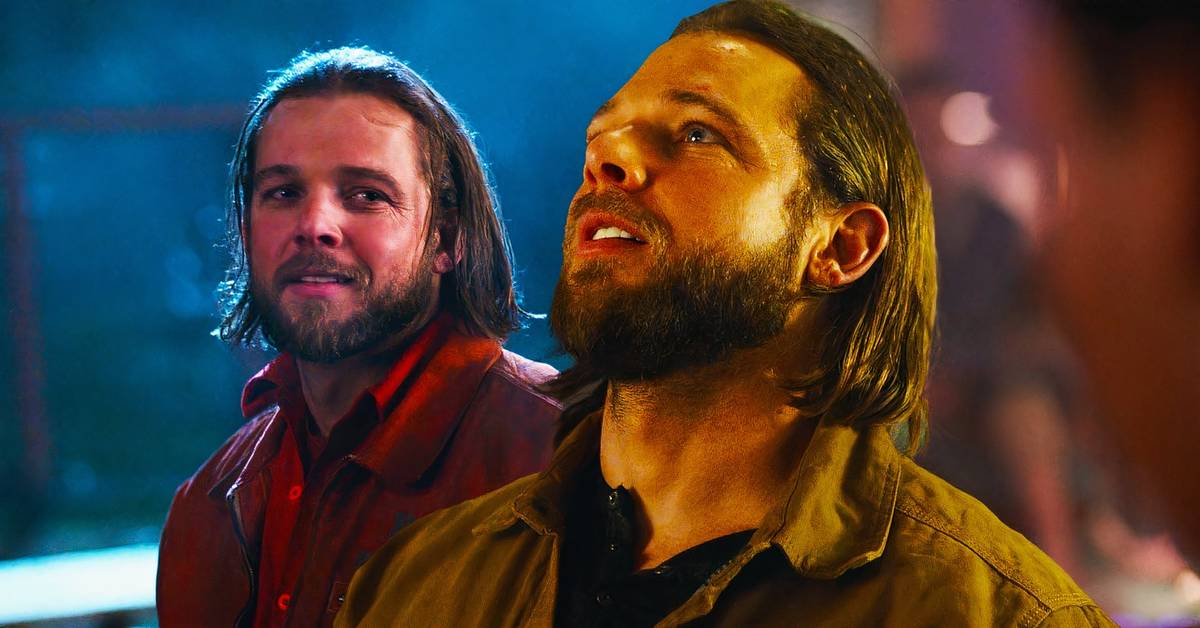
For three seasons, Fire Country built its identity around the raw, emotional, and often painful journey of Bode Donovan—a young man fighting for redemption while navigating heartbreak, addiction, guilt, and the hope of rebuilding his life. Viewers connected with him not because he was heroic in a traditional sense, but because he was deeply human. Every setback mattered, every victory felt earned, and every choice added another layer to a complex character trying desperately to do better. But Season 4 has introduced a dramatic shift in Bode’s direction, one that many fans feel is not only jarring but potentially destructive to everything the series has carefully constructed around him. Instead of continuing the steady progression of growth that defined his arc, the show has pushed him into a storyline that feels confusing, chaotic, and disconnected from the Bode audiences have come to know.
The concern among viewers is not simply that Bode is struggling—he has struggled before, and that is part of what makes him compelling. The problem is that the new storyline seems to undermine his past development, almost as if the show is rewriting his emotional foundation for the sake of shock value. Fans who once rooted fiercely for his progress are now questioning whether the writers have lost sight of what made him so compelling in the first place. Social media conversations have been filled with disappointment, with many viewers arguing that this version of Bode feels unfamiliar, reactionary, and inconsistent. It’s not the natural evolution of a flawed character; it feels more like a sharp turn driven by plot needs rather than emotional truth.
What makes the situation even more troubling is that Bode has always been the beating heart of Fire Country. His redemption arc wasn’t just his own—it shaped the tone, themes, and emotional stakes of the entire series. The story of a man fighting to reclaim his life while serving in a prison fire camp was unique, grounded, and full of understated power. But Season 4 risks losing this foundation by sending Bode down a path that seems to erase rather than build upon what came before. His relationships feel strained without purpose, his choices feel disconnected from his past growth, and his motivations are murky at best. The grounded realism that defined him is slipping away, replaced by melodrama that doesn’t carry the emotional weight the show has always handled so well.
Of course, there is still a chance that the writers are setting up a larger, more meaningful payoff. Bode has often been pushed to the edge before rising again, and it’s possible this latest detour will eventually deepen his story rather than derail it. But even optimistic viewers admit that the execution so far feels rushed and unfocused. If this is the beginning of a major transformation, it needs clearer emotional groundwork to feel believable. If it’s meant to be temporary chaos before clarity, the show must signal that direction soon—otherwise the audience’s frustration may turn into disengagement.
At this point, fans are not asking for perfection; they’re asking for coherence. They want the Bode who fought tooth and nail to become a better man, the Bode who cared fiercely even when he failed, the Bode whose emotional honesty anchored the entire series. They want a storyline that honors the character’s history instead of rewriting it. And more than anything, they want to feel that his journey still has purpose, direction, and heart.
Fire Country now stands at a critical crossroads. The decisions made in the upcoming episodes will determine whether Bode’s new direction becomes a bold creative risk that ultimately pays off—or the show’s biggest mistake yet. Fans still believe in Bode, still care about his story, and still hope for the redemption arc that once made him one of television’s most compelling characters. But the show must act quickly to restore the emotional integrity that defined him. Otherwise, the fear growing among viewers may become reality: that the heart of Fire Country is starting to lose its fire.