
CBS billed FBI Season 8, Episodes 9 and 10—titled “Lone Wolf” and “Wolf Pack”—as a two-part event that would push the team to its limits. That kind of hype can be dangerous. But in this case, the episodes largely deliver on their promise, offering scale, emotional weight, and a clear sense that the show understands what an “event” should feel like in its eighth season.
These episodes aren’t just bigger in terms of action. They’re bigger in theme, consequence, and character focus, proving that FBI still knows how to raise the stakes without losing its procedural backbone.
A Two-Part Story That Earns Its Length
One of the biggest risks with event episodes is pacing—stretching a story simply because it’s labeled “two parts.” FBI avoids that trap here.
“Lone Wolf” sets the table with urgency and restraint. Rather than rushing into spectacle, the episode carefully establishes the psychological threat at the center of the story. The tension builds through investigation, not explosions, making the danger feel unsettlingly real.
By the time “Wolf Pack” takes over, the story expands naturally. The threat multiplies, the scope widens, and the consequences become unavoidable. The second hour doesn’t feel like a repeat—it feels like an escalation.
That structural discipline is one of the two-parter’s biggest strengths.
Thematically Stronger Than a Typical Procedural Arc
What sets “Lone Wolf” and “Wolf Pack” apart from a standard FBI case is how clearly the episodes commit to their theme.
This isn’t just about stopping a criminal. It’s about:
-
How isolation breeds radicalization
-
How ideology spreads faster than violence
-
How law enforcement must adapt when threats don’t look the way they used to
The writing resists easy answers. Instead of framing the antagonist as a one-note villain, the episodes explore the systems and conditions that allow a “lone wolf” to become something far more dangerous.
For a show this deep into its run, that thematic ambition feels intentional—and refreshing.
The Team Dynamic Carries the Weight
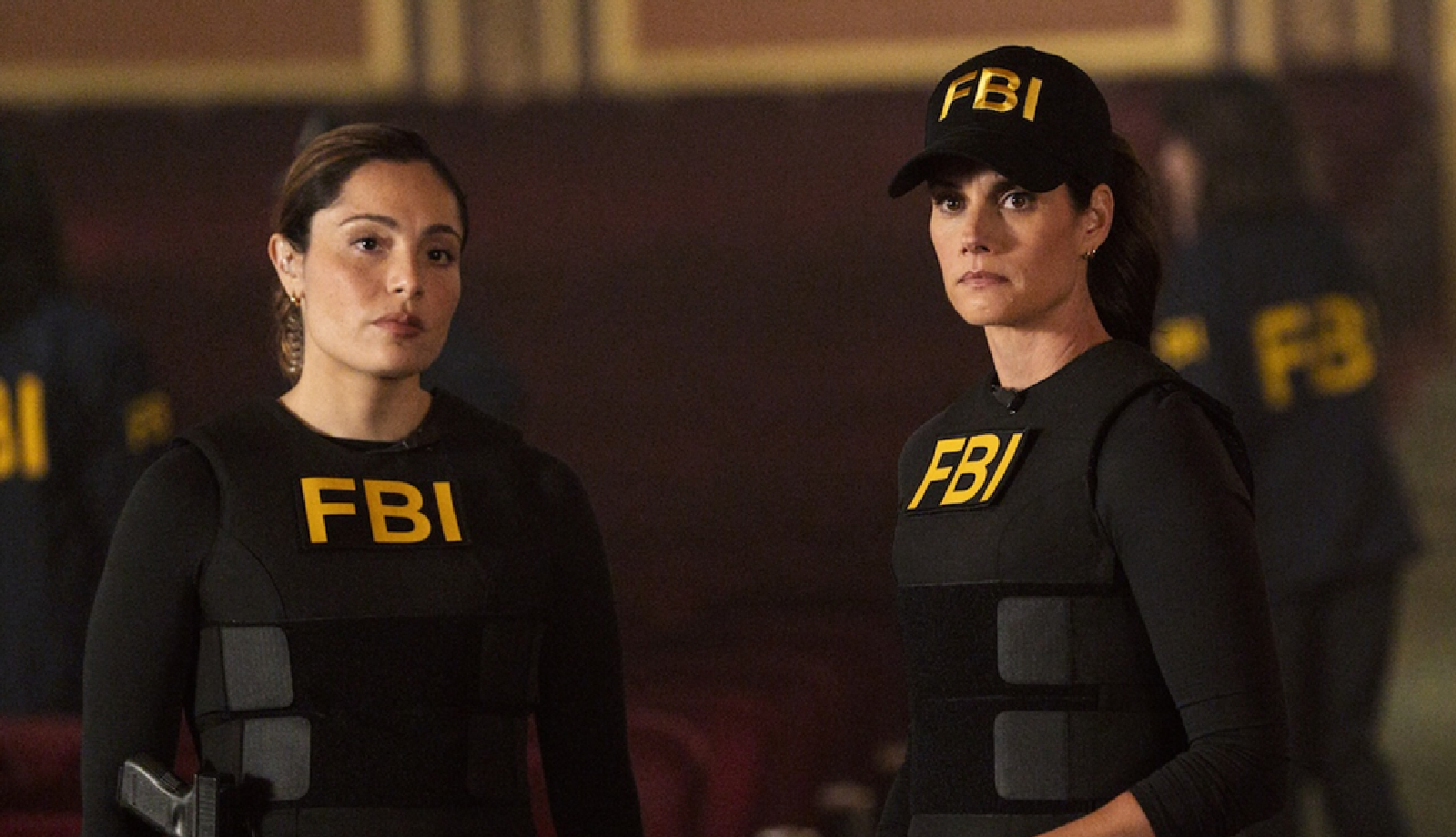
While the case itself is gripping, the episodes succeed because they lean heavily on ensemble storytelling.
Each member of the team is given a purpose, not just a position:
-
Field agents deal with split-second decisions and real consequences
-
Analysts wrestle with incomplete information and moral pressure
-
Leadership faces the burden of choosing between imperfect options
There’s a noticeable emphasis on coordination and trust. No one solves this alone—and the show makes that point repeatedly without spelling it out.
This approach reinforces what FBI does best: portraying competence without glorifying certainty.
Emotional Stakes Without Melodrama
What’s especially effective is how the episodes handle emotional weight.
Rather than relying on personal backstories or sudden tragedies, “Lone Wolf” and “Wolf Pack” generate tension through responsibility. Characters aren’t emotional because something happened to them—they’re emotional because something could happen to everyone else if they fail.
That restraint keeps the episodes grounded. When moments of vulnerability do appear, they feel earned rather than engineered.
It’s a subtle choice, but one that pays off.
Action That Serves the Story
Yes, these episodes are big. The action sequences are intense, well-paced, and clearly designed to feel like an event. But crucially, they never overshadow the investigation itself.
Set pieces are used strategically:
-
To heighten urgency
-
To complicate the mission
-
To force characters into difficult decisions
There’s no sense of action for action’s sake. Every chase, confrontation, and tactical shift advances the narrative.
That balance is something FBI has occasionally struggled with in the past—and here, it gets it right.
Performances Rise to the Occasion
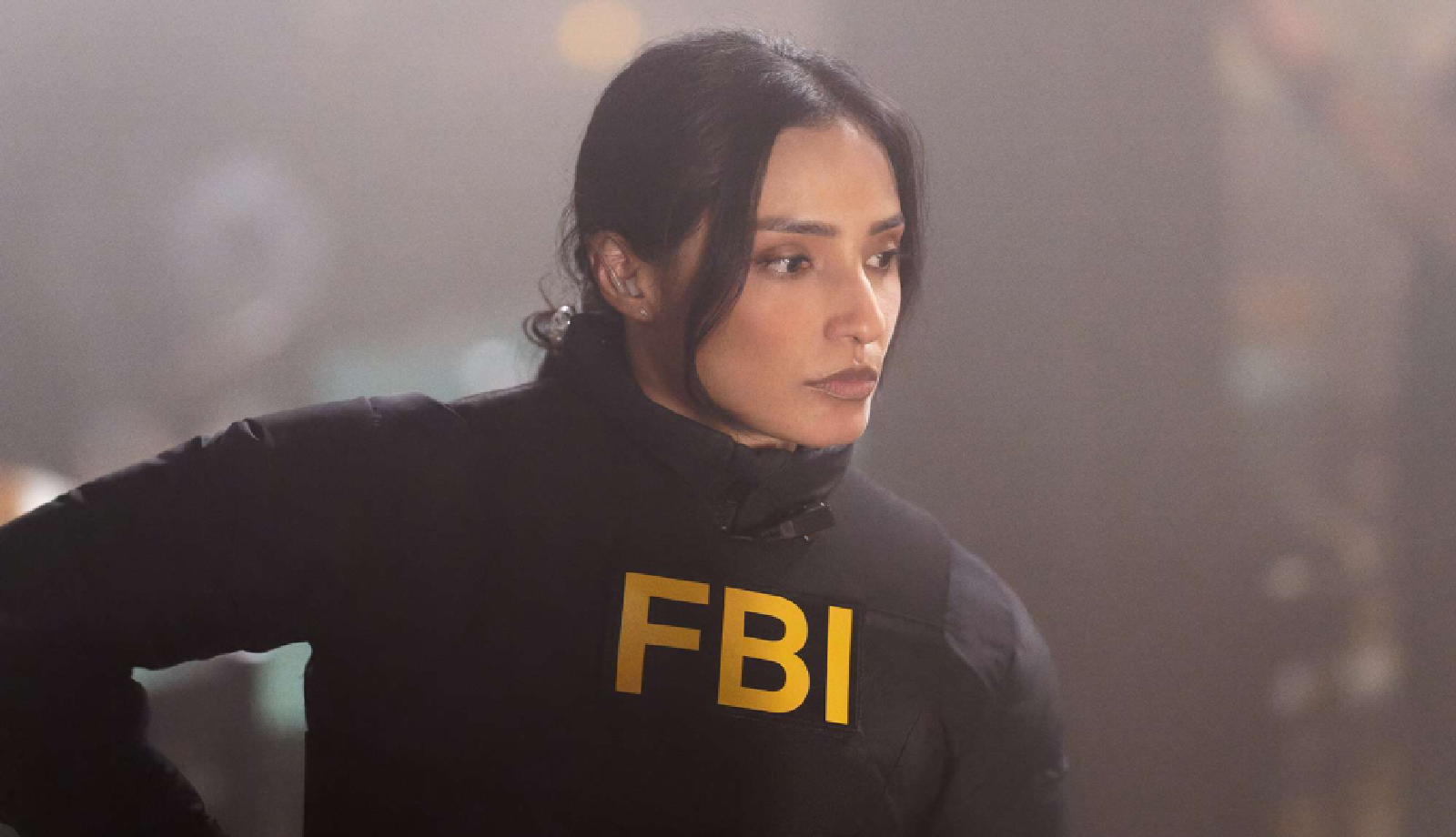
Across both episodes, the cast delivers strong, controlled performances that match the seriousness of the material.
No one overplays the danger. Instead, the tension is conveyed through:
-
Focused dialogue
-
Quiet urgency
-
Reactions rather than speeches
The result is an authenticity that keeps the episodes from tipping into sensationalism. Even at their most intense, “Lone Wolf” and “Wolf Pack” feel grounded in the show’s established tone.
For a series in its eighth season, that consistency is an achievement in itself.
Not Perfect—but Purposeful
That said, the episodes aren’t flawless.
A few secondary characters feel underdeveloped, existing more as narrative devices than fully realized individuals. Some viewers may also find certain procedural leaps a bit convenient, especially given the scale of the threat.
But these are minor issues in the context of what the episodes are trying to accomplish.
The ambition is clear. And more importantly, the execution largely matches it.
Why These Episodes Matter for Season 8
“Lone Wolf” and “Wolf Pack” feel like a statement about where FBI is in Season 8.
They signal that the show:
-
Isn’t content to coast on formula
-
Understands the importance of event storytelling
-
Still has something to say about modern threats
Rather than serving as filler or spectacle, these episodes actively shape the season’s identity.
That’s not something every long-running procedural can claim.
Final Verdict
CBS promised something big with FBI Season 8, Episodes 9 and 10—and for the most part, it delivered.
“Lone Wolf” and “Wolf Pack” succeed because they combine scale with substance, action with introspection, and urgency with restraint. They respect the audience’s intelligence and trust the ensemble to carry the weight.
Are they massive? Yes.
Are they meaningful? Largely, yes.
Do they justify the hype? Absolutely.
For fans of FBI, this two-part event isn’t just a highlight of Season 8—it’s a reminder of why the show still works, eight seasons in.