
A Promising Start Anchored by Maggie’s Emotional Journey
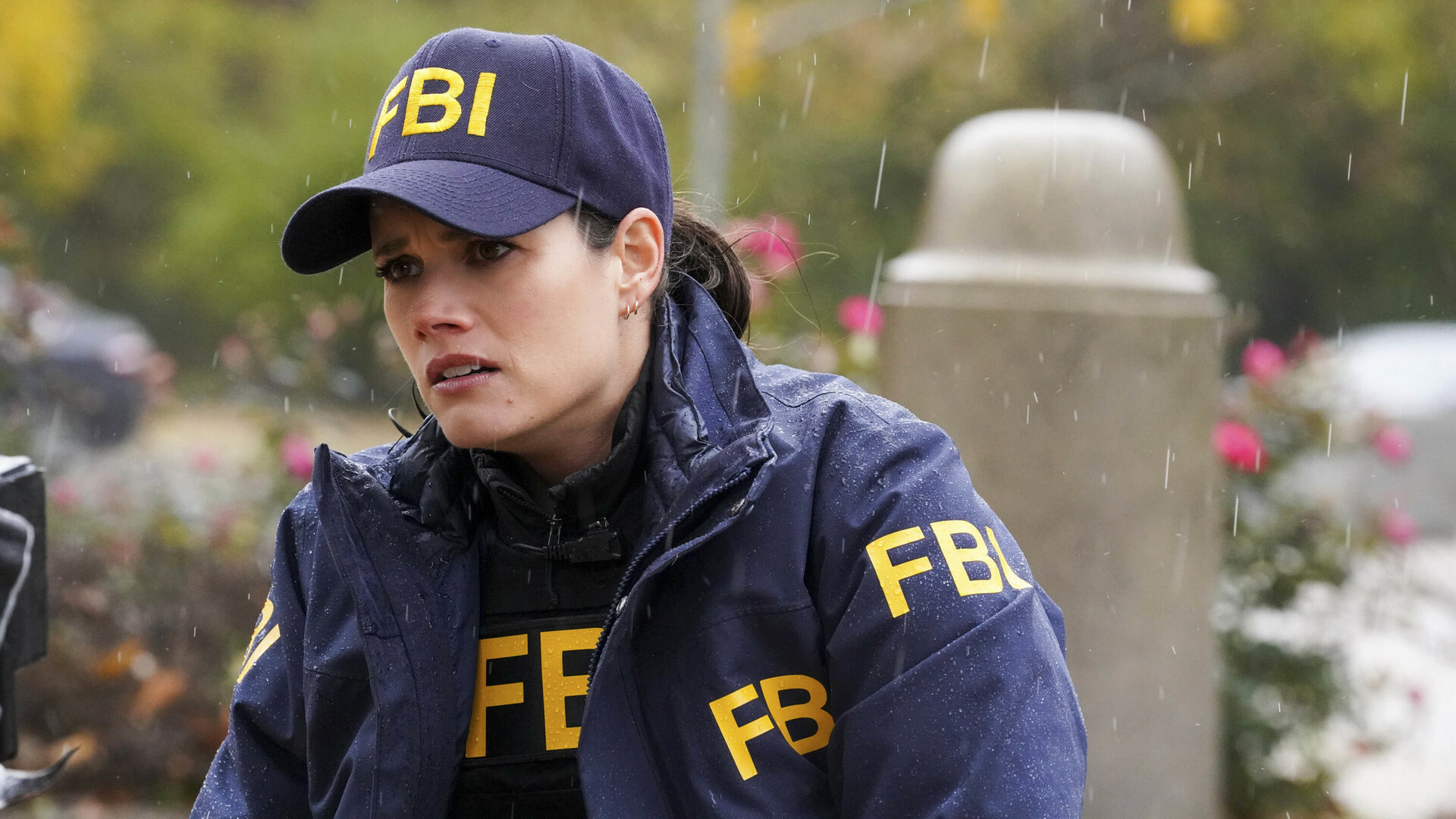
Episode 14 of FBI Season 8 opens with a level of intensity and emotional depth that immediately pulls viewers in. At the center of it all is Maggie Bell, whose character once again proves to be one of the show’s strongest assets. From the very first scene, the narrative positions Maggie not just as an agent chasing leads, but as a person grappling with the lingering psychological weight of her past cases.
The episode wastes no time establishing stakes. A high-risk kidnapping case unfolds, and Maggie’s connection to the victim—both personal and professional—adds a layer of urgency that feels authentic. Her instincts are sharp, her decision-making grounded, and her emotional vulnerability is portrayed with restraint rather than melodrama. It’s this balance that makes the first half of the episode so compelling.
What stands out most is how the writing allows Maggie space to breathe. Instead of rushing through procedural beats, the story lingers on her reactions, her doubts, and her quiet determination. These moments elevate the episode beyond a standard crime-of-the-week format and hint at a more character-driven direction that the series occasionally excels at—but doesn’t always sustain.
Strong Character Work and Meaningful Interactions
Another highlight of the episode’s first half is the dynamic between Maggie and her team. The interactions feel purposeful, especially her exchanges with OA, which carry a sense of mutual respect and unspoken understanding. Their partnership remains one of the emotional backbones of the show, and Episode 14 leans into that strength effectively—at least initially.
The supporting characters are also given moments that feel earned rather than obligatory. Jubal’s leadership brings a steady presence, while the investigative team contributes in ways that feel integrated into the narrative rather than just filling screen time. This cohesion helps maintain the episode’s momentum early on.
Importantly, the dialogue avoids unnecessary exposition. Instead, it trusts the audience to follow along, allowing scenes to unfold naturally. This approach creates a more immersive experience, especially during the investigative sequences, where tension builds organically rather than being forced.
A Midpoint Shift That Undermines the Momentum
However, just as the episode seems to find its rhythm, it takes a noticeable turn midway through—and not for the better. The carefully built emotional arc begins to give way to more conventional, and somewhat predictable, plot mechanics. What started as a character-driven narrative slowly shifts into a more formulaic procedural structure.
This transition feels abrupt. The nuanced exploration of Maggie’s internal struggles is sidelined in favor of accelerating the plot. Key developments happen quickly, sometimes too quickly, reducing the impact of earlier scenes. It’s as if the episode loses confidence in its own strengths and retreats into safer, more familiar territory.
One of the biggest issues is how the antagonist is handled in the second half. Initially presented with complexity and intrigue, the character becomes increasingly one-dimensional as the story progresses. This simplification diminishes the tension and makes the resolution feel less satisfying than it could have been.
Missed Opportunities for Deeper Emotional Payoff
Perhaps the most frustrating aspect of the episode is its failure to fully capitalize on the emotional groundwork laid in the beginning. Maggie’s personal stakes, which seemed so central at first, are gradually pushed to the background. While she remains active in the investigation, the emotional thread that made her journey compelling is not given the resolution it deserves.
There are moments where the episode hints at a deeper payoff—scenes where Maggie appears on the verge of confronting her fears or reflecting on her experiences in a meaningful way. But these moments are either cut short or overshadowed by the need to move the plot forward.
This creates a disconnect between the first and second halves of the episode. Viewers who were invested in Maggie’s story may feel that the narrative ultimately prioritizes procedural closure over character development. It’s not that the ending is poorly executed—it’s simply less impactful than what the episode initially promised.
Pacing Issues and Narrative Imbalance
The pacing in Episode 14 is another area where the shift becomes evident. The first half takes its time, allowing tension and emotion to build gradually. In contrast, the second half feels rushed, with multiple plot points compressed into a shorter span of time.
This imbalance affects the overall viewing experience. Scenes that should carry emotional weight are given less time to resonate, while action-driven sequences dominate the latter portion of the episode. As a result, the narrative feels uneven, lacking the cohesion that defines the strongest episodes of the series.
Additionally, certain plot developments rely on coincidences or convenient breakthroughs, which further weaken the storytelling. These shortcuts stand in stark contrast to the more grounded and methodical approach seen earlier in the episode.
Maggie Remains the Episode’s Saving Grace
Despite its shortcomings, Episode 14 is far from a failure—largely thanks to Maggie. Her performance anchors the episode, providing a consistent emotional core even as the narrative wavers. The actor’s ability to convey subtle shifts in emotion ensures that Maggie’s presence remains compelling throughout.
Even in the less effective second half, Maggie’s reactions and decisions retain a sense of authenticity. She continues to feel like a fully realized character, rather than just a vehicle for advancing the plot. This consistency is what ultimately keeps the episode engaging, even when the writing falters.
A Familiar Pattern for the Series
The issues seen in this episode are not entirely new for FBI. The show has, at times, struggled to maintain a balance between character-driven storytelling and procedural demands. Episode 14 exemplifies this tension, showcasing both the series’ potential and its recurring pitfalls.
When the show leans into its characters—especially someone as layered as Maggie—it often delivers some of its best moments. However, when it shifts too heavily toward formulaic storytelling, it risks losing the very elements that make it stand out.
Final Thoughts: A Strong Start That Falls Short of Its Potential
In the end, FBI Season 8 Episode 14 is a mixed but still worthwhile entry. Its first half demonstrates just how effective the series can be when it prioritizes character depth and emotional storytelling. Maggie’s journey, in particular, offers a glimpse of what the show is capable of at its best.
Unfortunately, the second half doesn’t fully live up to that promise. The shift in focus, combined with pacing issues and a less nuanced approach to the plot, prevents the episode from reaching its full potential.
Still, for fans of Maggie and those invested in the characters, there’s enough here to appreciate. Episode 14 may stumble along the way, but it also reinforces an important point: when FBI gets its character work right, it’s far more compelling than any procedural formula could ever be.