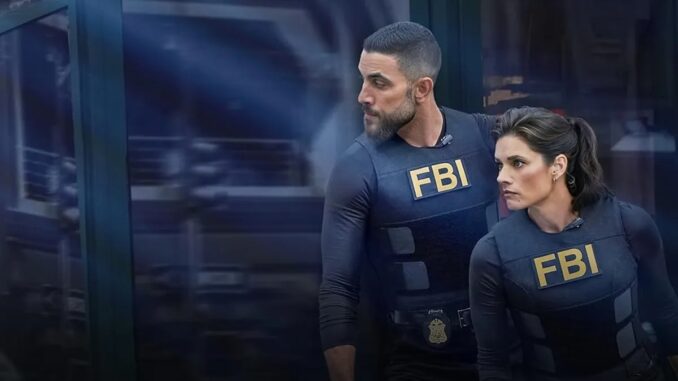
As FBI continues to push its characters into darker, more emotionally complex territory, one recent revelation has left fans uneasy—and deeply invested. In new comments, Jeremy Sisto opened up about Tyler’s fate and the moment when Jubal Valentine reaches what can only be described as a moral breaking point. The result? A storyline that many viewers say is powerful, painful, and hard to watch—but impossible to ignore.
For a series known for balancing procedural intensity with character-driven drama, this arc represents a turning point, not just for Jubal as a father, but for FBI as a whole.
Why This Revelation Hits So Hard for Fans
From the beginning, Jubal Valentine has stood out as one of FBI’s most layered characters. He’s brilliant, compassionate, flawed, and often stretched thin by the weight of leadership. But his role as a father—especially where Tyler is concerned—has always been his emotional Achilles’ heel.
Jeremy Sisto’s recent comments confirm what many fans have feared: this storyline was never meant to be comfortable.
Tyler’s fate isn’t just another subplot. It’s a deeply personal narrative that forces Jubal to confront the limits of his principles, testing whether the man who enforces the law can live with the choices he makes when that law collides with his family.
Tyler’s Fate: No Easy Answers
According to Sisto, Tyler’s storyline was designed to avoid clean resolutions. Rather than offering a neat conclusion, the writers leaned into ambiguity, consequence, and emotional fallout.
That decision has divided fans.
Some viewers praise the show for refusing to sugarcoat the situation, arguing that FBI is at its best when it reflects the uncomfortable reality that even good intentions can lead to devastating outcomes. Others admit the arc is almost too painful, especially for those who’ve grown attached to Jubal’s attempts to be both a good leader and a good father.
What’s clear is that Tyler’s fate serves as a catalyst—one that permanently alters how Jubal sees himself.
Jubal’s Moral Breaking Point Explained
Perhaps the most striking part of Sisto’s insight is his description of Jubal’s internal struggle. This isn’t about a single bad decision—it’s about a gradual erosion of certainty.
Throughout the series, Jubal has been forced to make impossible calls under extreme pressure. But when Tyler becomes entangled in the consequences of those choices, the usual moral framework Jubal relies on begins to crack.
Sisto describes this version of Jubal as someone who knows the rules intimately—and still finds himself questioning whether following them is enough.
For fans, this marks a shift:
-
Jubal isn’t just burdened; he’s conflicted
-
He’s not just making hard calls; he’s doubting them
-
And for the first time, he’s visibly unsure he can live with the outcome
It’s this vulnerability that makes the storyline so compelling—and so difficult to watch.
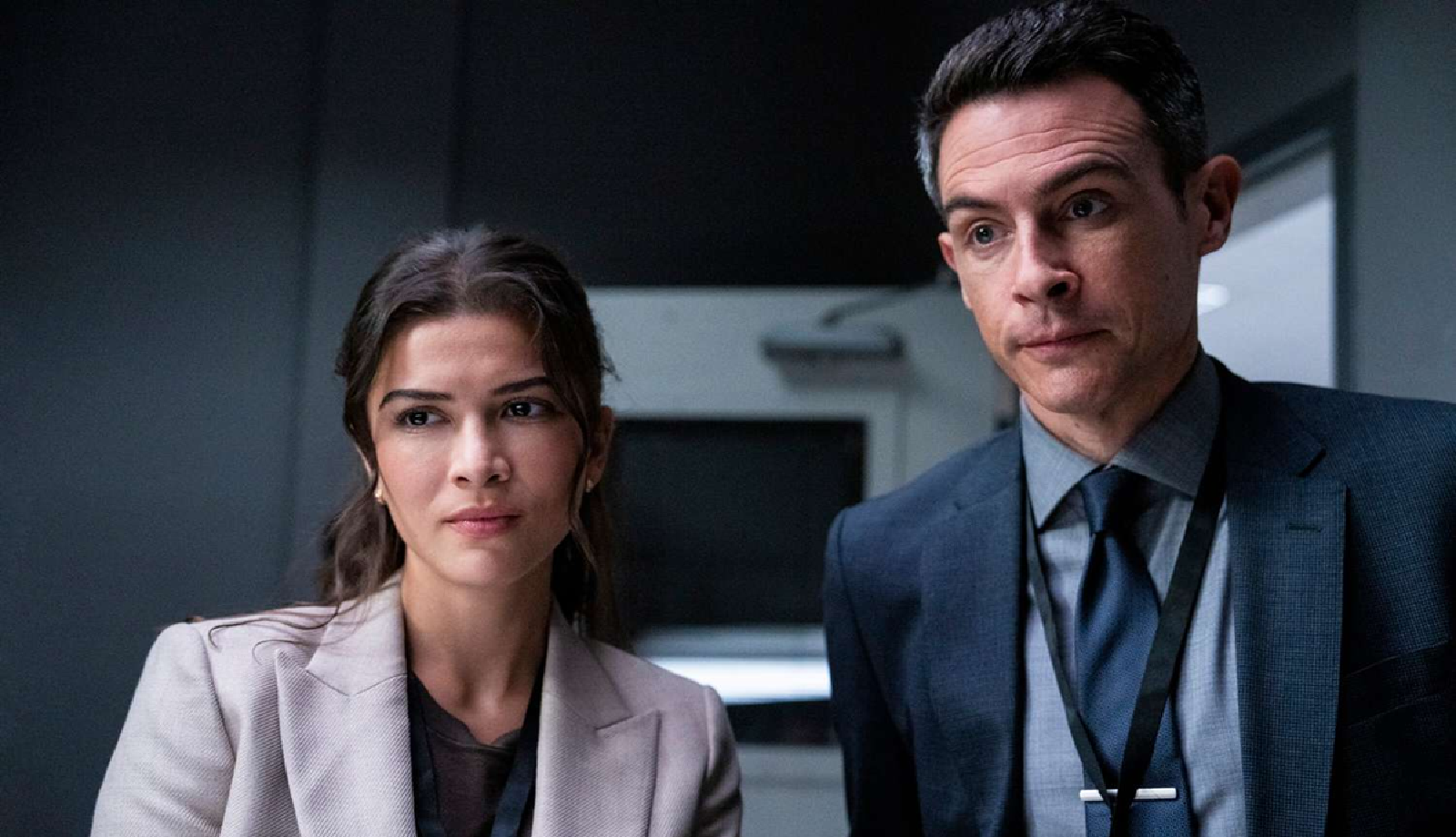
“Hard to Watch” — And That’s the Point
Sisto has acknowledged that parts of the arc are intentionally uncomfortable. The show isn’t aiming for shock value alone; it’s aiming for emotional honesty.
In many ways, FBI is asking viewers to sit with difficult questions:
-
What happens when justice fails the people closest to you?
-
Can moral compromise ever be justified if it comes from love?
-
And where is the line between protecting your child and betraying your values?
These questions don’t come with satisfying answers, and that’s exactly why the storyline resonates.
Fan Reactions: Emotional, Divided, and Deeply Engaged
Unsurprisingly, fan reactions have been intense.
Some viewers have praised Jeremy Sisto’s performance as one of the strongest of the series, calling it raw, restrained, and emotionally devastating. Many point to subtle moments—silences, facial expressions, quiet breakdowns—as proof that FBI is leaning into more mature storytelling.
Others, however, feel emotionally exhausted. They argue that watching Jubal unravel, especially in relation to Tyler, is heartbreaking in a way that feels almost too real for a procedural drama.
Yet even critics admit one thing: they can’t look away.
What This Means for Jubal Going Forward
One of the biggest questions fans are now asking is whether Jubal can truly recover from this moment.
Moral breaking points don’t reset easily. Once crossed—or even approached—they tend to leave lasting scars. The fallout from Tyler’s fate is expected to ripple through Jubal’s professional life, his relationships with his team, and his sense of identity as a leader.
Viewers may see:
-
A more cautious, guarded Jubal
-
Or conversely, a version of him more willing to bend rules
-
Increased tension between personal loyalty and professional duty
Whatever direction the show takes, it’s clear this arc is not a temporary detour—it’s a defining chapter.
Why This Storyline Matters for FBI as a Series
Beyond the character implications, this storyline signals something larger about FBI’s creative direction.
The show is increasingly willing to:
-
Sit in moral gray areas
-
Let consequences linger
-
And prioritize emotional truth over tidy resolutions
In a crowded TV landscape, that willingness to challenge both characters and viewers helps FBI stand out. It also explains why the series continues to generate passionate discussion deep into its run.
Final Thoughts
Jeremy Sisto’s revelations confirm what fans have sensed all along: Tyler’s fate and Jubal’s moral breaking point were never meant to be easy—or forgettable.
This arc forces FBI to confront its own themes head-on, blurring the line between right and wrong, duty and love, justice and sacrifice. For Jubal Valentine, the cost is deeply personal. For viewers, the experience is emotionally intense—but undeniably compelling.
As the season moves forward, fans are bracing themselves not just for what happens next, but for the lasting impact of what’s already occurred. Because once a character reaches a breaking point, there’s no going back—only living with the consequences.