
The buzz around Boston Blue — the much-anticipated spin-off from Blue Bloods — has been electric. But amid the excitement lies a stunning controversy: the show was largely shot far from Boston, despite its title and deep roots in the city’s lore. What happened behind the scenes reveals a story that’s as dramatic, misunderstood, and hotly debated as the crime plots on screen.
The irony isn’t lost on fans: a series titled Boston Blue that rarely rolls cameras in Boston itself. Production instead chose Toronto, Canada as its main filming hub — and the reason isn’t artistic, it’s financial. Toronto offers significantly lower production costs, tax incentives, and streamlined crew infrastructure, making it easier for budget-conscious television studios to shoot there. CBS insiders confirmed that although Boston Blue is set in the historic, gritty streets of Massachusetts’ largest city, its day-to-day shooting happened hundreds of miles away to keep the show alive at all. The few genuine Boston scenes we do see — like brief exteriors at Fenway Park and Boston Common — were specifically negotiated to add just enough local flavor without breaking the bank.
Yet that decision struck a nerve.
Boston isn’t just any city — it’s a character in its own right. Its accents, neighborhoods, cops, and iconic neighborhoods are unique. When Boston Blue leaned heavily on Toronto to stand in for real Boston, some longtime viewers balked, claiming the show felt “inauthentic” or even disingenuous. They argue that a story so deeply tied to Boston’s police culture deserved to be filmed where the mythos lives, breathes, and earned its reputation.
But here’s where the story gets even more controversial: Boston Blue isn’t just about flawed production decisions. It’s also split audiences.
A Cast That’s Winning Hearts — and Stirring Arguments
At the center of the storm is Donnie Wahlberg, who reprises his beloved character Danny Reagan — now transplanted from the NYPD to the Boston Police Department. Wahlberg’s presence is one of the show’s biggest draws; fans of Blue Bloods tuned in just to see how his seasoned detective would adapt to a new city and storyline.
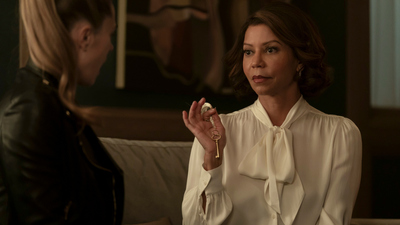
Alongside him is a bold, diverse ensemble:
-
Sonequa Martin-Green as Detective Lena Silver
-
Mika Amonsen as Sean Reagan, the rookie cop son taking his first steps in the force
-
Ernie Hudson, Gloria Reuben, Maggie Lawson, and Marcus Scribner in key supporting roles
Many viewers praise the cast’s chemistry and fresh energy — especially the dynamic between Wahlberg and Martin-Green — saying it brings new life to the franchise.
However, not all responses have been glowing.
A Fandom Torn: Praise, Backlash, and Heated Online Debate
While some critics have given Boston Blue favorable scores, overall reactions are deeply mixed. On critic review sites, the show has managed generally decent numbers, but viewers have been far more divided.
On social media and fan forums:
-
Some viewers call the series refreshing and emotionally engaging, appreciating how it expands on police procedural tropes with new relationships and setting.
-
Others have been brutally honest in their dislike, describing Boston Blue as clichéd, poorly paced, and lacking the depth and authenticity of its predecessor. Many highlight the lack of real Boston atmosphere — especially noticeable because most scenes were shot in Toronto — as a glaring disappointment.
One particularly viral thread compared the show’s tone and writing unfavorably to classic police dramas, calling it “a pale echo of Blue Bloods” and “too engineered, too neat, too bland.” Others have singled out the recasting of Sean Reagan as controversial and jarring to longtime fans.
Why This Matters
This debate reveals something larger about modern storytelling: audiences aren’t just watching — they’re living inside these worlds. When a show like Boston Blue markets itself on a city’s authenticity but sidesteps that city during production, fans don’t just see a cost-cutting decision — they sense a missed opportunity to honor the culture, accents, energy, and real heartbeat of Boston itself.
Whether you love the show or criticize it, one thing is clear: Boston Blue has sparked a passionate conversation about authenticity, character portrayal, and what audiences really want from modern television dramas.