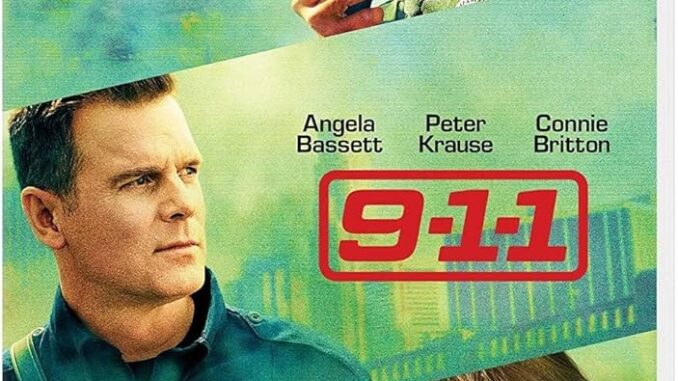
Procedural TV has rules. You know them. A crime happens. First responders arrive. The problem gets solved neatly within an hour. Credits roll. Order is restored.
And then there’s 9-1-1.
This Fox-turned-ABC juggernaut doesn’t just bend the rules—it throws them into a burning building, floods the street with a tsunami, and somehow rescues a baby, a cat, and three emotionally traumatized adults before the commercial break.
Yes, 9-1-1 is the most unhinged procedural on television. And somehow, miraculously, that chaos is exactly why it works.
Let’s break down why this gloriously over-the-top series continues to dominate ratings, social media, and pop culture—while more “serious” procedurals fade quietly into the background.
What Makes 9-1-1 Different From Other Procedurals?
A Procedural That Refuses to Stay in Its Lane
Most procedurals live by structure. 9-1-1 lives by vibes.
One minute you’re watching firefighters save a man stuck in a vending machine. The next, Los Angeles is hit by an earthquake, followed by a tsunami, followed by a cruise ship disaster—sometimes all in the same season.
This show doesn’t ask, “Is this realistic?”
It asks, “Would this be awesome television?”
And honestly? That confidence is contagious.
The Chaos Is the Point, Not the Problem
Why ‘Unhinged’ Is a Feature, Not a Bug
Calling 9-1-1 “unhinged” isn’t an insult—it’s a compliment.
The show thrives on excess. Bigger disasters. Louder emotions. Higher stakes. It’s not trying to be a documentary. It’s trying to be an emotional rollercoaster with sirens.
That unpredictability keeps viewers hooked. You never know what’s coming next—and that’s rare in a genre that often feels formulaic.
Disasters Dialed Up to Eleven
From Tsunamis to Escaped Zoo Animals
Let’s be real: 9-1-1 disasters are borderline absurd—and wildly entertaining.
-
A citywide tsunami in Los Angeles
-
A roller coaster derailment
-
A blimp emergency
-
A sniper targeting first responders
-
Even a serial killer storyline disguised as emergencies
Any one of these would be a season finale on another show. On 9-1-1, it’s just another Monday.
And yet, the show commits fully. No winking at the camera. No irony. Just full-throttle storytelling.
The Emotional Core Keeps It Grounded
Why the Characters Matter More Than the Spectacle
Here’s the secret weapon: beneath the chaos, 9-1-1 is deeply character-driven.
You don’t keep watching just to see what explodes next. You keep watching because you care about:
-
Bobby Nash, the guilt-ridden leader searching for redemption
-
Athena Grant, the fearless, emotionally complex moral center
-
Buck, the lovable mess figuring out who he really is
-
Hen, balancing heroism, family, and identity
-
Eddie, navigating trauma, fatherhood, and legacy
The disasters may grab your attention—but the relationships keep your heart locked in.
A Procedural That Isn’t Afraid of Feelings
Big Emotions, Zero Apologies
Some procedurals treat emotion like a side dish. 9-1-1 makes it the main course.
Characters cry. They argue. They break down. They heal—sometimes messily, sometimes beautifully.
Mental health, grief, addiction, identity, and chosen family aren’t just mentioned. They’re explored, revisited, and allowed to evolve over seasons.
And because the show isn’t afraid to go big emotionally, those moments hit harder.
Tone Whiplash That Somehow Works
Comedy, Tragedy, and Chaos in One Episode
One of 9-1-1’s boldest choices is its tonal flexibility.
You might laugh at a bizarre emergency call, feel your stomach drop during a mass casualty event, and tear up over a character moment—all within 45 minutes.
On paper, that shouldn’t work.
On screen? It feels alive. Human. Unpredictable—just like real emergencies.
Why Realism Isn’t the Goal—and Shouldn’t Be
TV Realism vs. Emotional Truth
Critics often knock 9-1-1 for being unrealistic. But here’s the thing: procedural realism isn’t the point.
The show aims for emotional truth, not procedural accuracy.
Does a city face this many catastrophic disasters? Of course not.
Do first responders experience intense emotional highs and lows? Absolutely.
That emotional authenticity is what resonates.
The Ryan Murphy Effect
Melodrama Done With Confidence
Love him or hate him, Ryan Murphy knows how to make TV that people can’t stop talking about.
9-1-1 borrows from his signature style: heightened drama, bold storytelling, and unapologetic emotion.
But unlike some Murphy projects, 9-1-1 balances spectacle with sincerity—never losing sight of its characters, even when the world around them is literally falling apart.
Why Viewers Keep Coming Back
Comfort TV With Adrenaline
Here’s the paradox: 9-1-1 is both comforting and chaotic.
You know the core team will show up. You trust their bond. You believe in their resilience.
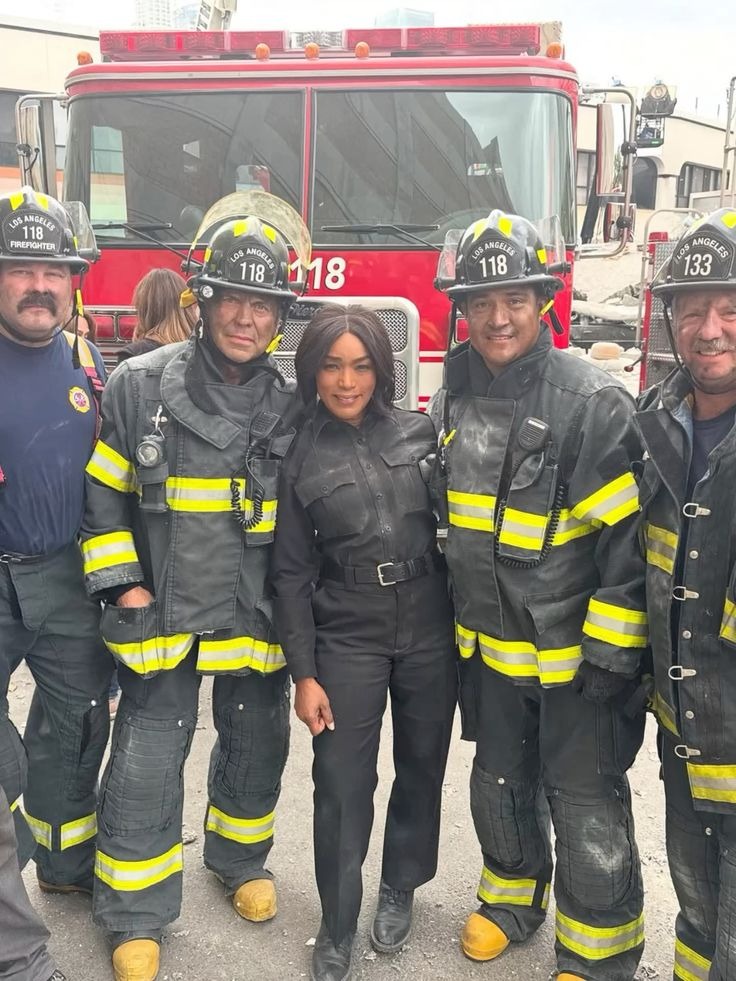
That familiarity makes even the wildest storylines feel safe. It’s comfort TV—just with more explosions.
Social Media Loves the Madness
A Viral Machine Built for the Internet Age
Let’s not ignore the obvious: 9-1-1 thrives online.
Clips go viral. Storylines spark debates. Characters trend weekly.
The show’s unhinged moments are tailor-made for social media—short, shocking, emotional, and impossible to ignore.
In today’s attention economy, that matters.
Why Traditional Procedurals Feel Boring in Comparison
Predictability Is the Real Enemy
After watching 9-1-1, it’s hard to go back to quieter procedurals.
When you’ve seen a tsunami hit Los Angeles, a standard case-of-the-week just doesn’t hit the same.
9-1-1 reminds viewers that procedural TV doesn’t have to be safe, restrained, or predictable to succeed.
The Power of Found Family
Why the 118 Feels Like Home
At its core, 9-1-1 is about family—especially the kind you choose.
The firehouse isn’t just a workplace. It’s a support system. A refuge. A place where broken people find belonging.
That theme resonates deeply, especially in a world where many viewers are craving connection.
Is 9-1-1 Too Much? That’s the Magic
Excess as a Storytelling Strategy
Could 9-1-1 dial it down? Sure.
But if it did, it wouldn’t be 9-1-1.
The excess—the unhinged energy, the emotional swings, the audacious storytelling—is the brand. It’s what makes the show stand out in a crowded TV landscape.
The Future of Procedural TV Looks a Lot Like This
Bigger, Bolder, and Emotion-Forward
9-1-1 may not be traditional—but it’s influential.
More shows are leaning into heightened stakes, serialized storytelling, and emotional depth. The genre is evolving, and 9-1-1 is leading the charge.
Conclusion: Why 9-1-1 Works When It Shouldn’t
9-1-1 shouldn’t work.
It’s too loud. Too dramatic. Too chaotic. Too emotional.
And yet, it works because it knows exactly what it is—and never apologizes for it.
In a TV landscape full of safe choices, 9-1-1 dares to be unhinged. And that boldness is why viewers can’t look away.
Sometimes, the mess is the magic.
FAQs About 9-1-1
1. Why is 9-1-1 considered an unhinged procedural?
Because it pushes disasters, emotions, and storylines far beyond traditional procedural limits—intentionally and unapologetically.
2. Is 9-1-1 realistic?
Not in a literal sense. But it captures emotional and human truth, which matters more for storytelling.
3. What makes 9-1-1 different from other emergency shows?
Its scale, emotional intensity, serialized arcs, and fearless embrace of chaos set it apart.
4. Why do fans connect so strongly with the characters?
Because the show invests deeply in character development, relationships, and long-term emotional growth.
5. Will 9-1-1 continue to succeed with its over-the-top style?
As long as viewers crave bold, emotional, and unpredictable television—the answer is yes.