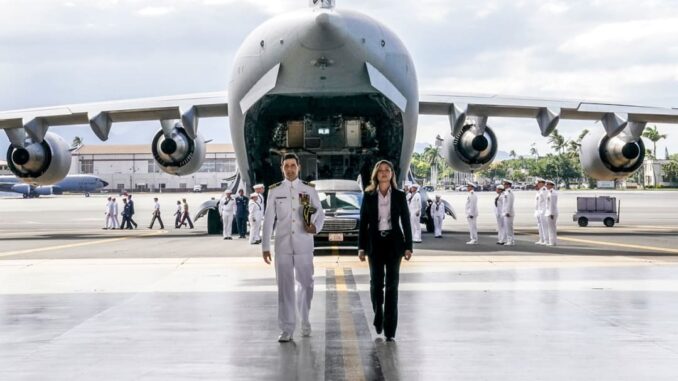
When CBS announced NCIS: Hawai‘i, fans didn’t just hear “another spin-off.” They heard waves crashing, palm trees swaying, and a fresh take on a franchise that’s been dominating television for over two decades.
But what exactly makes NCIS: Hawai‘i different? Why did it matter so much to long-time fans and new viewers alike? And how did it reshape the NCIS universe?
Let’s break it all down—island style.
What Is NCIS: Hawai‘i? A Quick Overview
NCIS: Hawai‘i is a procedural crime drama and official spin-off of the legendary NCIS franchise. Set against the stunning backdrop of the Hawaiian Islands, the series follows a specialized team of Naval Criminal Investigative Service agents tasked with protecting national security in one of the most strategic military locations on Earth.
Think classic NCIS tension—but with sun, surf, and higher geopolitical stakes.
Why CBS Chose Hawai‘i as the New NCIS Setting
A Strategic Military Hotspot
Hawai‘i isn’t just a vacation paradise—it’s home to Pearl Harbor, Pacific Fleet Command, and countless intelligence operations. From a storytelling perspective, it’s a goldmine.
Visual Contrast to Previous NCIS Series
Where NCIS: Los Angeles leaned urban and NCIS stayed procedural, NCIS: Hawai‘i injected vibrant landscapes, cultural depth, and island energy into the franchise.
It felt fresh. It felt bold. And it worked.
Meet the NCIS: Hawai‘i Cast
Vanessa Lachey as Jane Tennant
History was made when Vanessa Lachey became the first female lead in the NCIS franchise. As Special Agent in Charge Jane Tennant, she brought authority, warmth, and emotional realism to the role.
She wasn’t just a boss—she was a mother, a leader, and a strategist juggling pressure from every direction.
Key Supporting Characters
-
Alex Tarrant as Kai Holman
-
Noah Mills as Jesse Boone
-
Yasmine Al-Bustami as Lucy Tara
-
Jason Antoon as Ernie Malik
Each character added texture, humor, and heart—making the team feel like a real family, not just coworkers.
How NCIS: Hawai‘i Fits Into the NCIS Timeline
Shared Universe, Shared Stakes
NCIS: Hawai‘i exists firmly within the larger NCIS universe. Characters from NCIS and NCIS: Los Angeles appeared in crossover events, proving this wasn’t a side project—it was canon.
The Power of Crossovers
Crossover episodes boosted ratings and fan engagement, giving viewers that “Marvel-style universe” feeling—only with badges and subpoenas.
Storytelling Style: What Makes NCIS: Hawai‘i Different
More Personal, More Emotional
Unlike earlier NCIS shows, NCIS: Hawai‘i leaned heavily into character backstories, emotional arcs, and personal stakes.
Cases weren’t just puzzles—they were personal.
Cultural Respect and Representation
The show made a clear effort to honor Native Hawaiian culture, language, and customs, weaving them naturally into storylines rather than using them as background decoration.
Filming on Location: A Game Changer
Authentic Hawaiian Landscapes
Unlike some shows that fake tropical settings, NCIS: Hawai‘i was actually filmed on the islands. That authenticity showed in every frame.
Production Challenges
Filming on location meant unpredictable weather, logistics challenges, and higher costs—but it also delivered unmatched realism.
Fan Reception and Ratings Performance
Strong Debut Numbers
The series premiered with impressive ratings, especially among younger viewers—a demographic CBS has long worked to attract.
Social Media Buzz
Clips, character moments, and crossover teasers went viral on platforms like Twitter, Facebook, and TikTok, expanding the show’s reach beyond traditional TV audiences.
Why NCIS: Hawai‘i Mattered for Representation
Breaking Franchise Traditions
A female lead. Diverse casting. Cultural authenticity.
NCIS: Hawai‘i quietly redefined what a legacy franchise could look like in a modern TV landscape.
A New Generation of Viewers
By evolving its tone and casting, the show appealed to audiences who may never have watched traditional NCIS.
Behind the Scenes: Creators and Vision
Executive Producers
The series was developed by Matt Bosack, Jan Nash, and Christopher Silber, all veterans of character-driven procedural storytelling.
Creative Goals
The mission was simple but ambitious:
Keep the NCIS DNA—while making it feel brand new.
Comparing NCIS: Hawai‘i to Other Spin-Offs
NCIS vs. NCIS: Los Angeles vs. NCIS: Hawai‘i
-
NCIS: Procedural, case-focused
-
NCIS: Los Angeles: Action-heavy, undercover ops
-
NCIS: Hawai‘i: Emotional, character-driven, culturally grounded
Each serves a different flavor of crime drama.
Why the Show Still Resonates with Fans
Even after its conclusion, NCIS: Hawai‘i continues to trend in searches and fan discussions. Why?
Because it felt human.
Not just crimes. Not just uniforms. But real lives unfolding under pressure.
The Legacy of NCIS: Hawai‘i
A Bold Experiment That Paid Off
The show proved that long-running franchises can evolve without losing their soul.
Influence on Future CBS Dramas
Its success opened the door for more diverse leads and culturally specific storytelling across network television.
What NCIS: Hawai‘i Did Better Than Anyone Expected
-
Strong female leadership
-
Emotional storytelling
-
Authentic setting
-
Franchise integration
That’s not easy to pull off—but it did.

Final Thoughts: Was NCIS: Hawai‘i Worth It?
Absolutely.
NCIS: Hawai‘i wasn’t just another spin-off—it was a statement. A reminder that even the most established TV franchises can still surprise us, move us, and evolve with the times.
Like the islands themselves, the show balanced beauty and danger, calm and chaos—making it unforgettable.
Conclusion
NCIS: Hawai‘i brought heart, culture, and fresh energy to one of television’s most iconic franchises. From its groundbreaking lead character to its breathtaking setting and emotionally rich storytelling, the series carved out a unique identity that still resonates with fans today. It didn’t just expand the NCIS universe—it redefined what it could be.