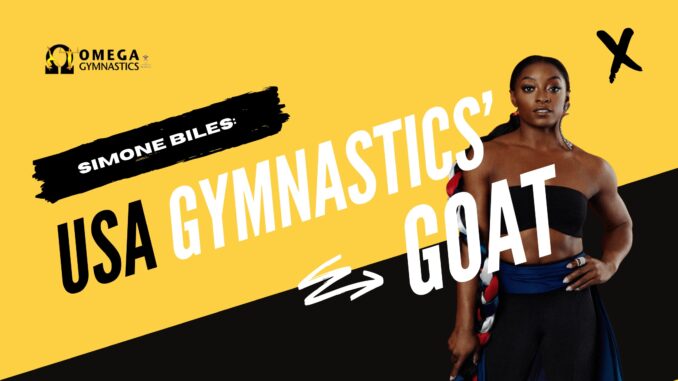
Simone Biles is once again at the center of a public conversation, but this time it is not about gymnastics. The Olympic champion is facing criticism after purchasing a Doberman puppy from a breeder where the dog had its ears cropped, a cosmetic procedure many experts and advocates consider harmful. Animal rights group PETA publicly condemned the decision, calling ear cropping painful and unnecessary. The group said the procedure permanently alters dogs for appearance alone and noted that many veterinarians refuse to perform it. Ear cropping is already banned in several European countries, which has fueled debate about why the practice still continues in parts of the United States.
The criticism did not stop there. PETA also took issue with buying a dog from a breeder while shelters across the country remain overcrowded. Advocates argue that when public figures choose breeders, it can unintentionally normalize the practice and reduce visibility for rescue dogs waiting for homes. This issue affects millions of animals each year, many of whom never get adopted.
Supporters of adoption point out that shelters are filled with loving dogs of every breed, including Dobermans. Choosing adoption can help reduce euthanasia rates and Support a more compassionate relationship with the environment and the wider planet. These choices also connect to broader conversations about ethics, health, and how personal decisions shape social norms.
Public reaction shows how deeply people care about the treatment of pets and other wildlife. While Biles has not directly responded to the criticism, the situation highlights the influence celebrities hold in shaping attitudes toward animal welfare. Small decisions can send powerful signals. Supporting adoption, rejecting cosmetic surgeries on dogs, and choosing compassion align with values many associate with a kinder Earth and a more thoughtful future. Standing up for animals is one simple way to show care for life beyond ourselves.
Simone Biles Faces Backlash Over Puppy Purchase From Breeder
Simone Biles is no stranger to the spotlight. As the most decorated gymnast in history, she’s been praised for her talent, honesty, and courage—both on and off the mat. But this time, the headlines aren’t about gold medals or mental health advocacy. Instead, they’re about a puppy.
Yes, a puppy.
When Biles recently shared her excitement about welcoming a new dog into her life, what should have been a feel-good moment quickly turned into a heated online debate. The reason? She reportedly purchased the puppy from a breeder rather than adopting from a shelter. And the internet had thoughts.
Let’s break down what happened, why people are upset, and what this controversy says about celebrity culture, pet ethics, and social media outrage.
The Moment That Sparked the Controversy
A Happy Announcement That Took a Sharp Turn
Simone Biles posted photos and videos of her new puppy on social media, clearly overjoyed and proud. Fans flooded her comments—at first—with heart emojis and congratulatory messages.
But it didn’t take long for the tone to shift.
Once followers learned the puppy came from a breeder, criticism began pouring in. What started as a cute pet reveal quickly turned into a full-blown backlash.
Why Buying From a Breeder Is So Controversial
The “Adopt, Don’t Shop” Movement Explained
At the heart of the criticism is the widely promoted “adopt, don’t shop” philosophy. Animal welfare advocates argue that:
-
Millions of dogs are euthanized each year due to overcrowded shelters
-
Buying from breeders can fuel puppy mills and unethical practices
-
Adoption saves lives and discourages irresponsible breeding
For many people, adopting isn’t just a choice—it’s a moral obligation.
Public Expectations for Celebrities Are Different
Why Simone Biles Was Held to a Higher Standard
Here’s the tricky part: Simone Biles isn’t just anyone. She’s a role model to millions.
When celebrities make personal choices, those decisions often become public statements—whether they intend them to or not. Critics argued that Biles, with her influence, missed an opportunity to promote adoption and animal rescue.
In their eyes, her choice sent the “wrong message.”
Supporters Push Back Against the Backlash
“It’s Her Life, Her Money, Her Dog”
Not everyone agreed with the outrage. Many fans rushed to Biles’ defense, pointing out that:
-
Ethical breeders do exist
-
Adoption isn’t feasible for every household
-
Personal choices shouldn’t trigger public shaming
Some supporters even called the backlash performative, arguing that online outrage doesn’t always translate into real-world impact for animals.
Ethical Breeders vs. Puppy Mills
Not All Breeders Are the Same
One major issue with online discourse is oversimplification. While puppy mills are undeniably harmful, responsible breeders:
-
Prioritize animal health and genetics
-
Provide proper veterinary care
-
Limit breeding frequency
-
Screen buyers carefully
The internet often lumps all breeders together, which muddies an already complex conversation.
The Role of Social Media in Amplifying Outrage
How a Puppy Became a Viral Debate
Social media thrives on emotion. Add a beloved celebrity, an adorable dog, and a moral issue—and you’ve got the perfect recipe for viral backlash.
Platforms like Twitter and Instagram reward fast reactions, not nuanced discussions. As a result, conversations quickly turn into digital pile-ons.
Simone Biles’ History of Advocacy
Why This Moment Felt Jarring to Some Fans
Biles has been widely praised for speaking openly about mental health, abuse in sports, and personal boundaries. Because of that history, some fans expected her to align with animal welfare advocacy too.
When she didn’t, disappointment followed—fair or not.
Is Adoption Always the Right Choice?
The Reality Many People Don’t Talk About
Adoption is amazing—but it’s not always simple. Some families:
-
Need specific breeds due to allergies
-
Require predictable temperaments
-
Have housing restrictions

-
Lack resources for dogs with trauma
Ignoring these realities can make the “adopt, don’t shop” mantra feel judgmental rather than inclusive.
Celebrity Choices and Cancel Culture
When Criticism Turns Into Harassment
There’s a fine line between accountability and harassment. While discussing ethical pet ownership is valid, attacking someone personally often backfires.
In Biles’ case, what could have been an educational moment quickly turned hostile.
Mental Health and Online Shaming
Why This Matters Beyond a Puppy
Ironically, Biles—who has openly discussed protecting her mental health—found herself at the center of an online storm.
It raises an uncomfortable question: Are we demanding perfection from people while ignoring the emotional cost?
What This Controversy Says About Internet Morality
Performative Activism vs. Real Change
Critics argue that some online outrage is more about signaling virtue than helping animals. Real impact comes from:
-
Supporting shelters financially
-
Volunteering
-
Educating about ethical breeding
-
Pushing for stronger animal welfare laws
Shaming celebrities may feel satisfying, but does it save dogs?
Lessons for Public Figures Moving Forward
Transparency, Context, and Communication
For celebrities, moments like this highlight the importance of context. Explaining choices—without defensiveness—can often defuse backlash before it escalates.
Silence, however, tends to invite speculation.
Can Both Sides Be Right?
Finding Middle Ground in the Debate
Here’s the truth:
You can support adoption and acknowledge responsible breeding.
You can admire Simone Biles and wish she’d chosen differently.
Nuance doesn’t trend—but it matters.
The Bigger Picture: Compassion Over Condemnation
Why Empathy Should Lead the Conversation
At the end of the day, the puppy is loved, cared for, and safe. That matters. So does advocating for animals without tearing people down.
If the goal is compassion—for dogs and humans alike—then empathy has to be part of the equation.
Conclusion
Simone Biles’ puppy controversy is about far more than where a dog came from. It’s a snapshot of modern internet culture—where personal choices become public debates, and moral conversations often lose their nuance.
Whether you believe she made the right call or not, one thing is clear: outrage alone won’t solve systemic issues in animal welfare. Education, empathy, and action will.
And maybe—just maybe—we can let people love their puppies without lighting torches in the comments.