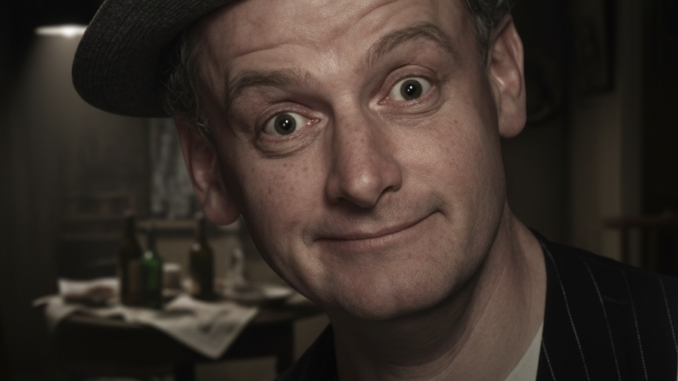
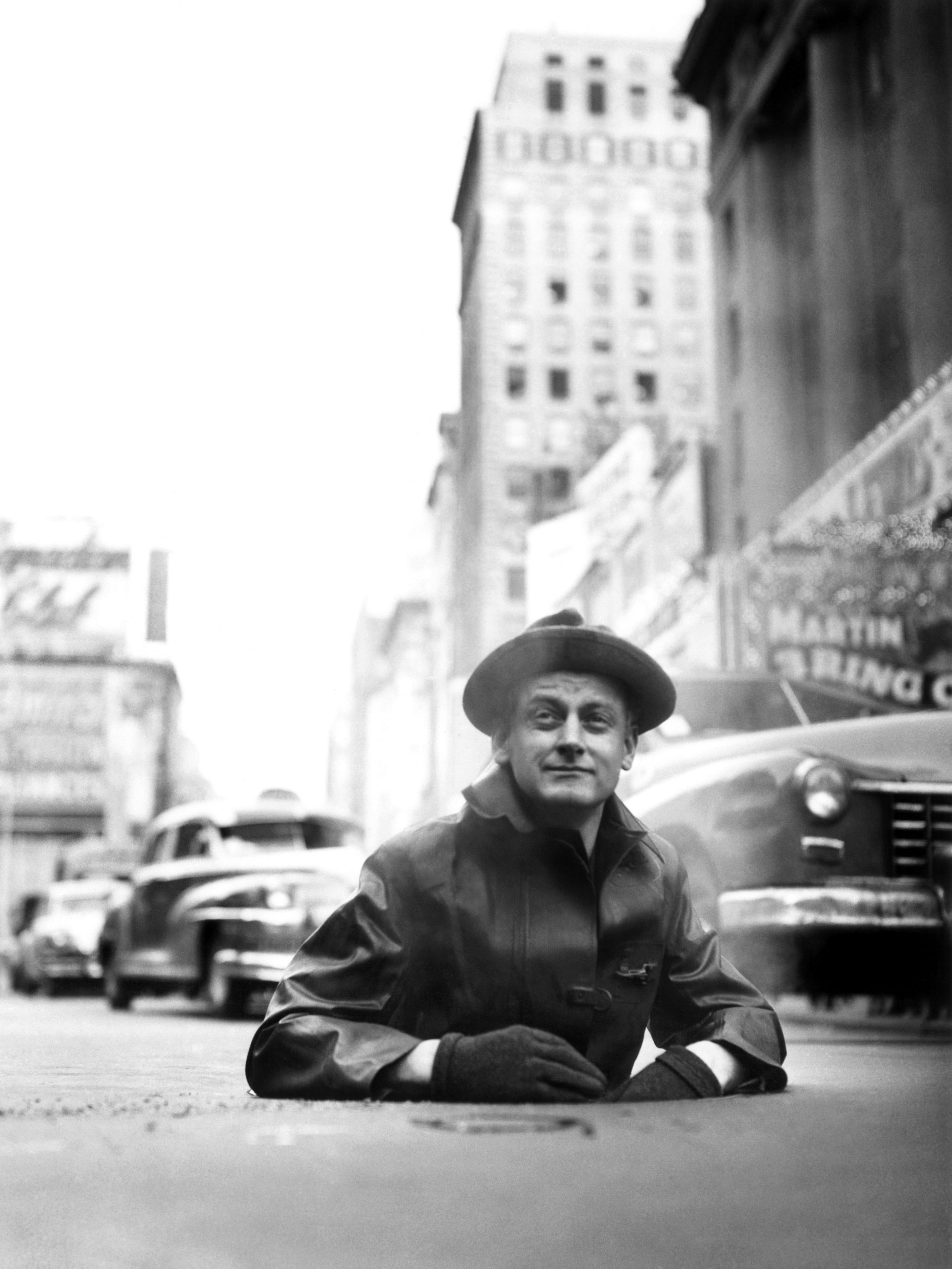
When the name Art Carney is mentioned, a collective smile typically spreads across faces. Instantly, we conjure images of Ed Norton, the lovable, tap-dancing sewer worker from The Honeymooners. His physical comedy, his signature hat, and his endearing innocence made him one of television’s most cherished characters – a true comedic genius. Yet, behind that boundless energy and impeccable timing lay a struggle few truly understood: a decades-long battle with alcoholism that shadowed his brilliant career and threatened to consume him entirely.
The Man Behind the Mask: Art Carney’s Early Struggles
Born in Mount Vernon, New York, in 1918, Art Carney entered show business through radio, honing his versatile voice and comedic instincts. He was a natural talent, but even then, the seeds of his personal struggles were being sown. The high-pressure, often unstable world of entertainment, coupled with his own sensitive nature, made him vulnerable.
The meteoric rise of The Honeymooners in the mid-1950s catapulted Carney into superstardom. As Ed Norton, he was the perfect comedic foil to Jackie Gleason’s blustering Ralph Kramden. The show was a phenomenon, and Carney’s portrayal was nothing short of iconic. However, the relentless schedule of live television, the constant pressure to perform, and the demands of fame began to take their toll.
 The Weight of Ed Norton: When Fame Fuelled the Fire
While The Honeymooners brought him immense success and two Emmy Awards, it also became a period of intense personal struggle for Carney. He later admitted that during the show’s run, and in the years immediately following, he leaned heavily on alcohol to cope with anxiety and depression. The disconnect between his jovial on-screen persona and his inner turmoil grew.
For an actor whose craft relied so much on physical dexterity and razor-sharp timing, the impact of his addiction was insidious. It threatened his ability to remember lines, hit his marks, and maintain the very comedic brilliance that defined him. The man who could effortlessly charm audiences was quietly fighting a battle that could have easily derailed his entire career and reputation.
A Breaking Point: The Descent and the Fight for Redemption
The late 1960s proved to be a critical turning point. Carney’s struggles culminated in a nervous breakdown, a public acknowledgment that he needed help. He sought treatment, beginning a long and arduous journey toward recovery. This was not a quick fix; addiction is a chronic disease, and Carney faced relapses, as many do.
One of the most poignant examples came during the filming of the 1974 movie Harry and Tonto, which would eventually win him an Academy Award for Best Actor. Despite the professional triumph, reports from the set indicated that Carney was still grappling with his demons. Yet, even in those challenging moments, his sheer talent and resilience shone through, allowing him to deliver one of the most memorable performances of his career. It was a testament to his indomitable spirit, fighting his personal war even as he created cinematic magic.
Beyond the Bottle: A Legacy of Laughter and Resilience
Art Carney continued to work successfully for decades, a testament to his enduring talent and his commitment to his craft. He became more open about his past struggles, offering a powerful message of hope and the possibility of recovery. He didn’t just survive; he thrived, proving that even after profound struggles, one can continue to achieve greatness.
Carney passed away in 2003, leaving behind an incredible legacy of laughter, iconic characters, and a quiet strength. His story isn’t just about the darkness of addiction; it’s about the light of human resilience, the power to confront one’s demons, and the ability to continue creating joy even amidst personal pain.
When we remember Art Carney, we remember Ed Norton, the epitome of good-natured humor. But it’s also crucial to remember the man behind the character – a brilliant artist who faced his “darkest hour” and, against immense odds, found his way back to the light, enriching our lives with laughter along the way.