
A Finale That Sparked Debate Among Fans
When Blue Bloods aired its long-awaited series finale, fans were left with a mix of satisfaction, nostalgia, and lingering questions. Among the most talked-about topics were Danny Reagan’s romantic future and whether Frank Reagan should have stepped down as NYPD Commissioner. Now, stars Donnie Wahlberg and Tom Selleck are opening up about the behind-the-scenes discussions that shaped those final decisions—and the battles they fought to stay true to their characters.
The finale wasn’t just another episode; it was the closing chapter of a show that had spanned over a decade, building deep emotional connections with its audience. Naturally, every character’s ending carried weight, but none more so than Danny and Frank—two pillars of the Reagan family whose journeys had evolved dramatically over the years.
Donnie Wahlberg on Danny’s Long-Awaited Love Story
For years, Danny Reagan’s personal life had been defined by loss, resilience, and emotional restraint. After the tragic death of his wife, Linda, fans watched Danny struggle to open his heart again. So when the possibility of a romantic resolution surfaced in the finale, it wasn’t taken lightly—especially by Donnie Wahlberg himself.
Wahlberg revealed that he actively advocated for giving Danny a sense of emotional closure. According to him, it wasn’t about forcing a fairytale ending, but rather about honoring the character’s journey. Danny had endured grief, raised his sons, and remained deeply committed to his job. In Wahlberg’s view, he had earned the right to move forward.
Behind the scenes, there were reportedly differing opinions about whether Danny should end the series alone or with a hint of new love. Some creatives felt that ambiguity would better reflect real life, while others—including Wahlberg—believed fans deserved a clearer sense of hope.
Ultimately, the compromise came in the form of a subtle but meaningful romantic implication. Rather than an overt declaration, the finale suggested that Danny might be ready to embrace a new chapter. For many viewers, that quiet optimism felt authentic—and deeply satisfying.
Balancing Realism and Fan Expectations
One of the biggest challenges the writers faced was balancing realism with audience expectations. Blue Bloods had always grounded itself in family values and moral dilemmas, avoiding overly dramatic or unrealistic twists. This made Danny’s ending particularly delicate.
Wahlberg emphasized that the goal was never to “tie everything up with a bow,” but to reflect the complexities of real life. People don’t always get perfect endings—but they do get chances to heal and grow. In that sense, Danny’s conclusion wasn’t just about romance; it was about emotional readiness.
Fans, however, had strong opinions. Social media buzzed with debates about whether the show went far enough. Some wanted a definitive relationship, while others appreciated the understated approach. Wahlberg acknowledged this divide but stood by the decision, noting that leaving room for interpretation allows the story to live on in viewers’ imaginations.
Tom Selleck Reflects on Frank Reagan’s Legacy
While Danny’s storyline centered on personal growth, Frank Reagan’s arc raised a different kind of question: Should he have retired?
Tom Selleck admitted that this was one of the most heavily debated aspects of the finale. As NYPD Commissioner, Frank had been a steady, principled leader throughout the series. But after years of service, it was only natural to consider whether his journey should end with him stepping down.
Selleck shared that he and the creative team had extensive conversations about this possibility. On one hand, retirement could symbolize closure and a well-earned rest. On the other, it might feel out of character for someone as dedicated and duty-driven as Frank.
In the end, the decision was made to keep Frank in his role—at least symbolically. Selleck explained that Frank represents a certain ideal of leadership: steadfast, ethical, and unwavering in the face of challenges. Having him retire might have undermined that image, suggesting an endpoint that didn’t quite align with his identity.
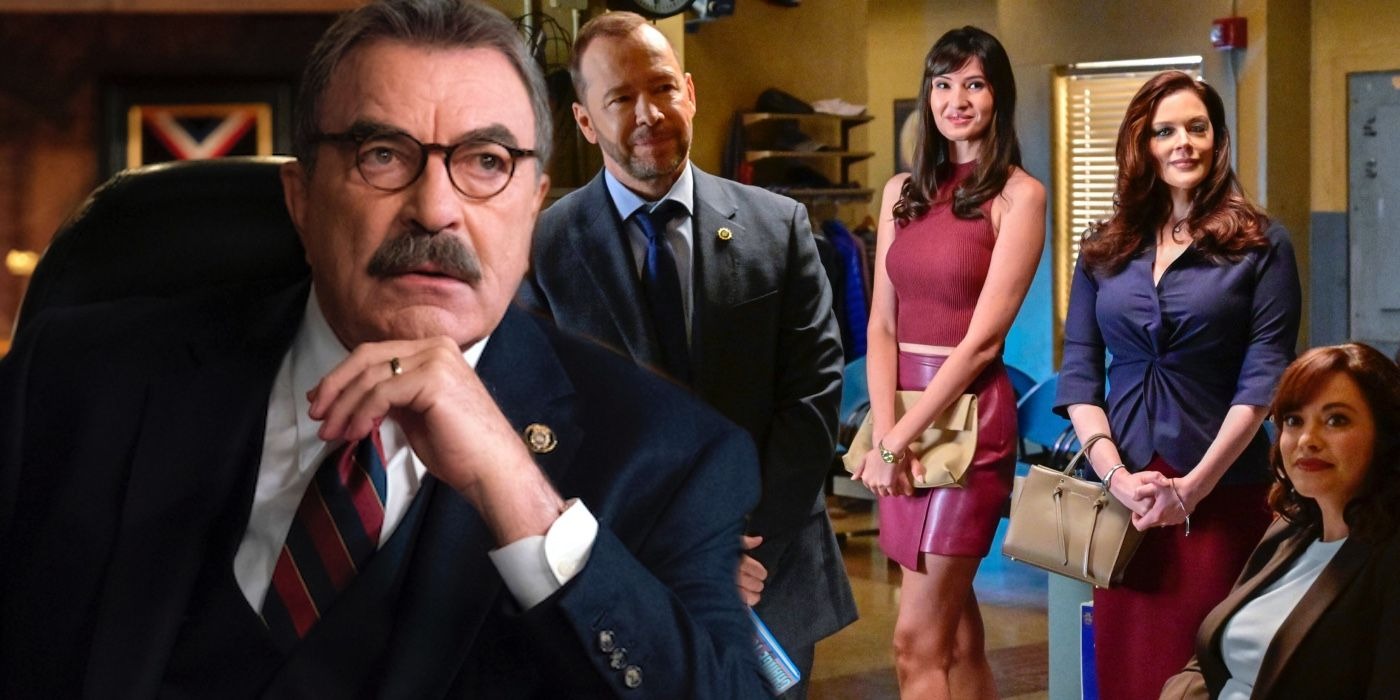
The Meaning Behind Frank’s Decision to Stay
For Tom Selleck, Frank’s choice to continue serving wasn’t about resisting change—it was about embodying purpose. Throughout the series, Frank often spoke about duty, sacrifice, and the responsibility of leadership. Walking away from that role would have required a compelling narrative justification, one that the finale ultimately chose not to pursue.
Instead, the show leaned into the idea that some callings don’t have a clear پایان. Frank’s story, in many ways, reflects the ongoing nature of public service. Even as the series ends, the character’s mission continues—an idea that resonates with the show’s core themes.
Selleck also hinted that leaving Frank in his position allows fans to imagine the future of the Reagan family beyond the screen. It keeps the world of Blue Bloods alive, rather than closing it off completely.
A Shared Commitment to Authentic Storytelling
Both Donnie Wahlberg and Tom Selleck emphasized that their input came from a place of deep respect for the characters and the audience. After spending years bringing Danny and Frank to life, they felt a responsibility to ensure their endings felt earned and true.
Wahlberg spoke about the emotional weight of saying goodbye, noting that the cast and crew were acutely aware of how much the show meant to fans. Selleck echoed this sentiment, describing the finale as a collective effort to honor the legacy of the series.
Their behind-the-scenes advocacy highlights an often-overlooked aspect of television production: the role actors can play in shaping narrative outcomes. While writers ultimately craft the story, performers bring a unique perspective based on their intimate understanding of the characters.
Fans React to the Final Choices
Unsurprisingly, the finale sparked a wide range of reactions. Some fans praised the show for staying true to its tone, avoiding overly dramatic or unrealistic conclusions. Others wished for more definitive resolutions, particularly when it came to Danny’s romantic life.
The debate over Frank’s non-retirement also divided viewers. For some, it felt like a missed opportunity for a poignant send-off. For others, it was a fitting continuation of his unwavering dedication.
What’s clear is that Blue Bloods succeeded in doing what it had always done best: sparking conversation. The show’s ability to engage audiences on both emotional and intellectual levels is a testament to its enduring appeal.
A Legacy That Lives On
As the curtain falls on Blue Bloods, the discussions surrounding its finale serve as a reminder of the show’s impact. Through characters like Danny and Frank, it explored themes of family, duty, and resilience—leaving a lasting impression on viewers.
For Donnie Wahlberg, Danny’s ending represents hope and healing. For Tom Selleck, Frank’s journey underscores the enduring nature of purpose. Together, their perspectives offer a deeper understanding of the choices that shaped the finale.
In the end, the series didn’t aim to provide all the answers. Instead, it offered something more meaningful: a reflection of life’s complexities, where endings are rarely absolute, and the story always continues—just beyond the frame.