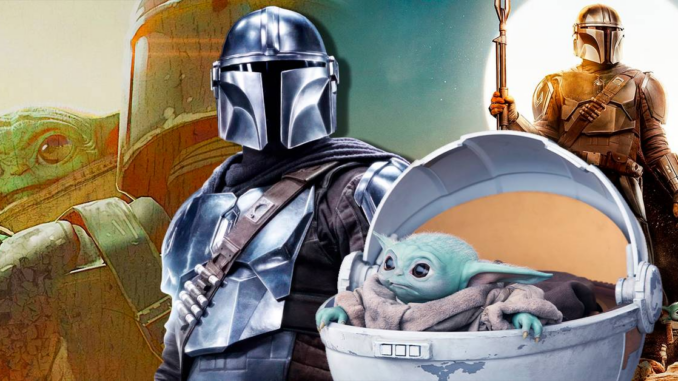
For years, Star Wars wasn’t just a franchise. It was a cultural pulse.
From the explosive debut of Star Wars: Episode IV – A New Hope to the streaming-era dominance of The Mandalorian, the galaxy far, far away has reinvented itself again and again. But now, insiders and fans alike are asking a question that once felt unthinkable:
Is Disney worried about the future of Star Wars?
After ambitious expansions, uneven theatrical results, and shifting audience reactions, the franchise appears to be navigating one of its most pivotal moments since Disney acquired Lucasfilm.
And at the center of the storm? The Mandalorian—and its masked icon.
The Mandalorian’s Turning Point
When The Mandalorian premiered in 2019, it was a revelation. A gritty Western set in the Star Wars universe, anchored by the stoic presence of Pedro Pascal as Din Djarin and the instant pop-culture phenomenon Grogu.
It felt fresh. Intimate. Focused.
But by Season 3, something shifted.
Storylines widened. Crossovers expanded. The emotional core between Din and Grogu took a backseat to broader Mandalorian politics. Ratings remained strong—but the online discourse grew more divided.
Was the series losing its simplicity? Or evolving into something bigger than originally planned?
Some fans embraced the expansion. Others longed for the stripped-down storytelling that made Season 1 electric.
And that split matters.
The Disney Concern: Oversaturation or Strategic Pause?
In the wake of multiple Disney+ series—including The Book of Boba Fett, Obi-Wan Kenobi, and Ahsoka—a new narrative emerged: is Star Wars expanding too fast?
The rapid-fire release strategy once felt like a golden age for fans. But with each project came rising expectations—and inevitable comparisons.
Meanwhile, theatrical momentum stalled after Star Wars: Episode IX – The Rise of Skywalker divided audiences. Planned film trilogies were announced, reshuffled, and quietly shelved.
The once-invincible cinematic machine suddenly looked cautious.
The Rey Factor: A Risky Resurrection?
One of the boldest upcoming moves involves bringing back Rey in a new film centered on rebuilding the Jedi Order, with Daisy Ridley returning to the role.
It’s a high-stakes gamble.
Rey remains one of the sequel trilogy’s most debated characters. To some, she represents hope and renewal. To others, unresolved storytelling choices still linger.
Reviving her arc signals confidence—but also risk. Can Disney reshape the narrative and win back skeptics? Or will old divisions resurface?
The answer could define the franchise’s cinematic future.
Pedro Pascal and the Question of Commitment
Another topic fueling speculation is Pedro Pascal’s evolving role in The Mandalorian.
With Pascal juggling high-profile projects beyond Star Wars, fans have noticed that Din Djarin’s helmet rarely comes off—and that body doubles have reportedly handled more physical scenes.
Is this a practical production choice? Or a sign of shifting priorities?
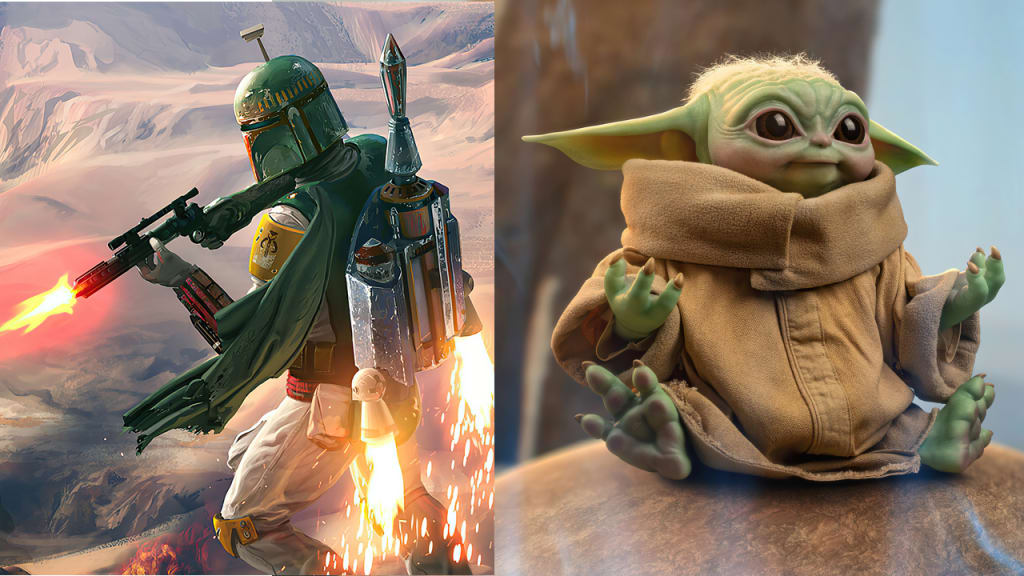
Lucasfilm insists the character remains central to long-term plans, including a theatrical Mandalorian feature directed by Jon Favreau.
But in franchise storytelling, perception matters as much as reality.
And fans are watching closely.
Streaming Strategy Shake-Up
The entertainment landscape itself has changed.
Disney has openly acknowledged the need to recalibrate its streaming output, prioritizing quality over quantity. That shift directly impacts Star Wars.
Fewer series. Bigger events. More cinematic ambition.
It’s not retreat—it’s repositioning.
The Mandalorian’s transition to a theatrical film signals that the brand may be consolidating its strongest pillars rather than multiplying side stories.
Franchise Fatigue—or Fandom Evolution?
Every long-running saga faces this moment.
Marvel experienced it. Superhero television experienced it. Even Star Wars faced it before, after the prequel trilogy.
The difference now? Social media magnifies every creative decision.
Debates over lore accuracy, character arcs, representation, and tonal shifts ignite instantly. Fan investment is deeper—and more vocal—than ever.
That passion is both the franchise’s greatest strength and its most unpredictable variable.
A Galaxy at a Crossroads
What makes this moment feel different isn’t failure. Star Wars still commands global recognition, merchandise power, and generational loyalty.
What’s different is uncertainty.
Will The Mandalorian successfully anchor a cinematic revival?
Will Rey’s return unify the fandom?
Will fewer, more deliberate projects restore the event-status magic of earlier eras?
Or is the franchise transitioning into a new kind of storytelling model entirely?
The Legacy Question
Since 1977, Star Wars has thrived on reinvention.
Original trilogy.
Prequels.
Sequels.
Streaming universe.
Each era sparked controversy. Each era eventually found its defenders.
Perhaps what looks like corporate concern is simply creative recalibration.
Perhaps this is not decline—but transformation.
So… Should Fans Be Worried?
Here’s the truth: major franchises don’t disappear quietly. They adapt.
Disney’s caution may reflect a deeper understanding that Star Wars isn’t just content. It’s mythology.
And mythology demands patience.
The Mandalorian still holds powerful cultural currency. Rey’s story isn’t finished. New filmmakers are waiting in the wings.
This isn’t the end of the galaxy far, far away.
It’s a strategic pause before the next hyperspace jump.
Whether that jump restores universal excitement—or ignites new debate—remains to be seen.
But one thing is certain:
Star Wars has entered another defining chapter.
And the entire fandom is watching.