A Week of Big Questions for Network TV
Network television had plenty to talk about this week—but not all of it was celebratory. From disappointment surrounding a long-running hit’s latest episode to debates over violence, tone, and originality, viewers were unusually vocal. As audiences grow more media-savvy and less forgiving, even established series are finding themselves under intense scrutiny. The result? A wave of questions that say as much about modern TV expectations as they do about the shows themselves.
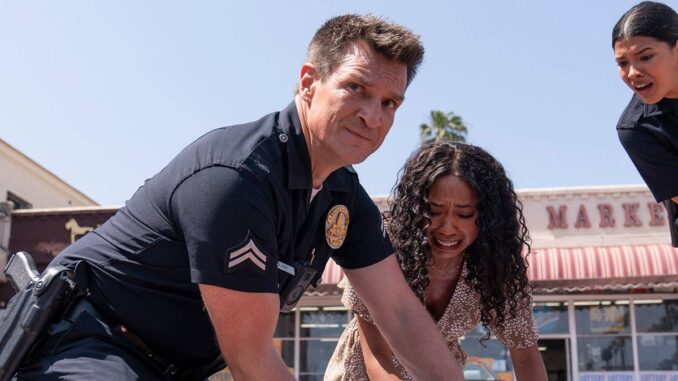
Did The Rookie Lose Its Emotional Edge?
Once praised for blending procedural action with heartfelt character work, The Rookie has recently faced criticism from fans who feel the drama isn’t landing the way it used to. Viewers pointed to episodes that felt overstuffed with plot but underpowered emotionally, arguing that character moments were sacrificed for spectacle.
The disappointment isn’t about ratings—The Rookie remains popular—but about identity. Fans who invested in the emotional growth of characters like John Nolan and Lucy Chen are questioning whether the series is drifting too far from what originally made it resonate. When expectations are high, even a solid episode can feel like a letdown.
Viewer Fatigue or Creative Drift?
Some critics argue that the issue isn’t quality but longevity. After many seasons, it becomes harder for any drama to feel fresh without reinventing itself. Yet reinvention carries its own risks, especially when it alienates the core audience.
This tension—between staying familiar and pushing forward—is one The Rookie seems to be navigating imperfectly. The disappointment may not signal failure, but it does highlight how thin the margin for error has become.
Was Will Trent Pushing the Violence Too Far?
Meanwhile, Will Trent found itself at the center of a different debate: violence. While the series has always leaned darker than many network procedurals, recent episodes sparked concern among viewers who felt the show crossed an uncomfortable line.
Some praised the unflinching realism, arguing that crime dramas shouldn’t sanitize brutality. Others felt the intensity overshadowed character development, turning emotional moments into endurance tests rather than storytelling tools.
When Grit Becomes a Distraction
The core question isn’t whether violence belongs on television—but how it’s used. In Will Trent, critics say certain scenes linger too long, emphasizing shock over insight. Supporters counter that the discomfort is the point, forcing audiences to confront harsh realities.
This divide reveals a broader cultural shift: viewers want authenticity, but they also want intention. Violence that feels purposeful is accepted; violence that feels gratuitous quickly draws backlash.
Is Scrubs Imitating The Pitt—or Simply Evolving?
In a more surprising twist, renewed attention on Scrubs has led to comparisons with newer workplace dramas like The Pitt. Some fans argue that tonal shifts and stylistic choices suggest imitation rather than inspiration, accusing the beloved comedy of chasing trends it helped create.
Others see the comparison as unfair. Television doesn’t exist in a vacuum, and long-running shows often adapt to the storytelling language of their time. What some call imitation, others call evolution.
The Line Between Influence and Identity
The Scrubs debate touches on a key issue in modern TV: how much can a show change before it loses itself? Fans are protective of legacy series, especially ones tied to nostalgia. Any perceived deviation can feel like betrayal—even if the changes are subtle.
At the same time, refusing to adapt risks irrelevance. For Scrubs, the challenge lies in honoring its emotional core while embracing a television landscape that has grown more cinematic and introspective.
Why Audiences Are More Vocal Than Ever
What unites these debates is not just dissatisfaction—it’s engagement. Viewers today don’t passively consume content; they analyze it, debate it, and amplify their opinions instantly. Social media has transformed every episode into a public referendum.
This level of scrutiny can be exhausting for creators, but it also signals something positive: audiences care. Disappointment often comes from love, not apathy.
The Pressure of Expectations
Shows like The Rookie, Will Trent, and Scrubs aren’t struggling for attention—they’re struggling under the weight of expectations. Each has built a loyal audience with specific hopes for tone, message, and character focus.
When a show deviates, even slightly, the reaction can be swift. In an era with endless viewing options, viewers are less willing to “wait it out” and more likely to speak up—or tune out.
Are These Growing Pains or Warning Signs?
Not every criticism signals decline. Television history is full of shows that stumbled briefly before regaining their footing. The key difference now is visibility: every stumble is documented, dissected, and shared in real time.
For networks, the challenge is deciding which feedback reflects meaningful concern and which is simply noise. Overreacting can be just as damaging as ignoring audiences altogether.
What These Debates Say About Modern TV
Taken together, these conversations highlight a shift in how viewers evaluate television. Emotional authenticity, narrative purpose, and respect for a show’s identity matter more than ever. Spectacle alone isn’t enough. Neither is nostalgia.
Audiences want shows to grow—but with intention.
Final Thoughts: A Tough Crowd, but an Engaged One
Did The Rookie disappoint? Was Will Trent too violent? Is Scrubs borrowing more than it should? The answers depend on who you ask—and that’s the point. These debates reflect a television culture that is alive, opinionated, and deeply invested.
For creators, the message is clear: viewers are watching closely. And in today’s TV landscape, that may be both the greatest challenge—and the greatest opportunity.