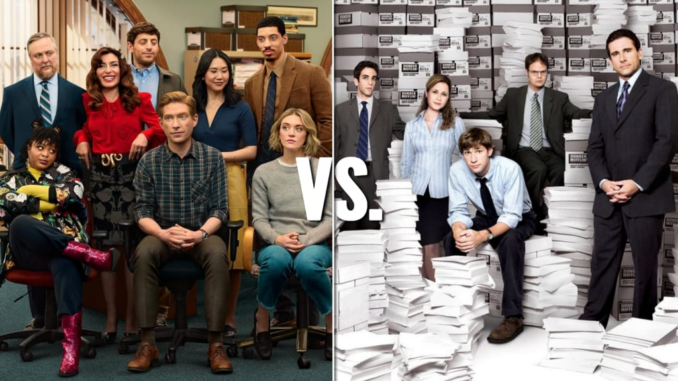
Every franchise expansion enters the world with expectations — but few carry the weight of The Office’s legacy. When The Paper premiered, it immediately became a lightning rod for discussion. Critics, longtime fans, and casual viewers all had strong opinions, making it one of the most debated comedy debuts in recent memory.
Critically, The Paper received a spectrum of responses. Many reviewers praised the series for its willingness to evolve beyond the original formula, highlighting its emotionally grounded narrative and modern workplace themes. By focusing on the decline of local journalism, the show tapped into real societal issues without sacrificing humor. Critics noted that this combination of comedy and commentary allowed The Paper to stand as more than a simple spin-off — it became a satire of contemporary professional life.
Others, however, approached the show with skepticism. Some felt that despite its strong premise, it lacked the distinct comedic spark that made The Office iconic. Others pointed out that audiences comparing the new series to an all-time classic created an impossible standard. The tone of The Paper — more bittersweet and earnest than chaotic and eccentric — surprised viewers expecting a direct continuation of Scranton-style humor.
On social media, discussions became particularly lively. Fans who grew up with The Office often debated whether the spin-off captured the essence of the mockumentary style. Memes, reaction clips, and character comparisons flooded platforms as viewers dissected everything from performance choices to comedic timing. Some users praised The Paper for maturing the tone of workplace comedy, while others expressed nostalgia for the more outrageous antics of the original.
Interestingly, younger viewers with no direct attachment to The Office responded differently. Many saw The Paper as a standalone modern workplace story that resonated with the instability and shifting expectations of today’s job market. For them, the show’s themes — layoffs, digital expansion, burnout — felt more relevant than ever. This demographic embraced the series as its own cultural product rather than a continuation of a beloved classic.
The show’s early renewal for a second season fueled further speculation. Some interpreted the renewal as a sign of strong confidence from producers and streaming platforms. Others wondered whether the decision was strategic — capitalizing on buzz before the conversation cooled. Regardless of motive, the renewal increased expectations and placed additional scrutiny on how the show would develop its themes and characters.
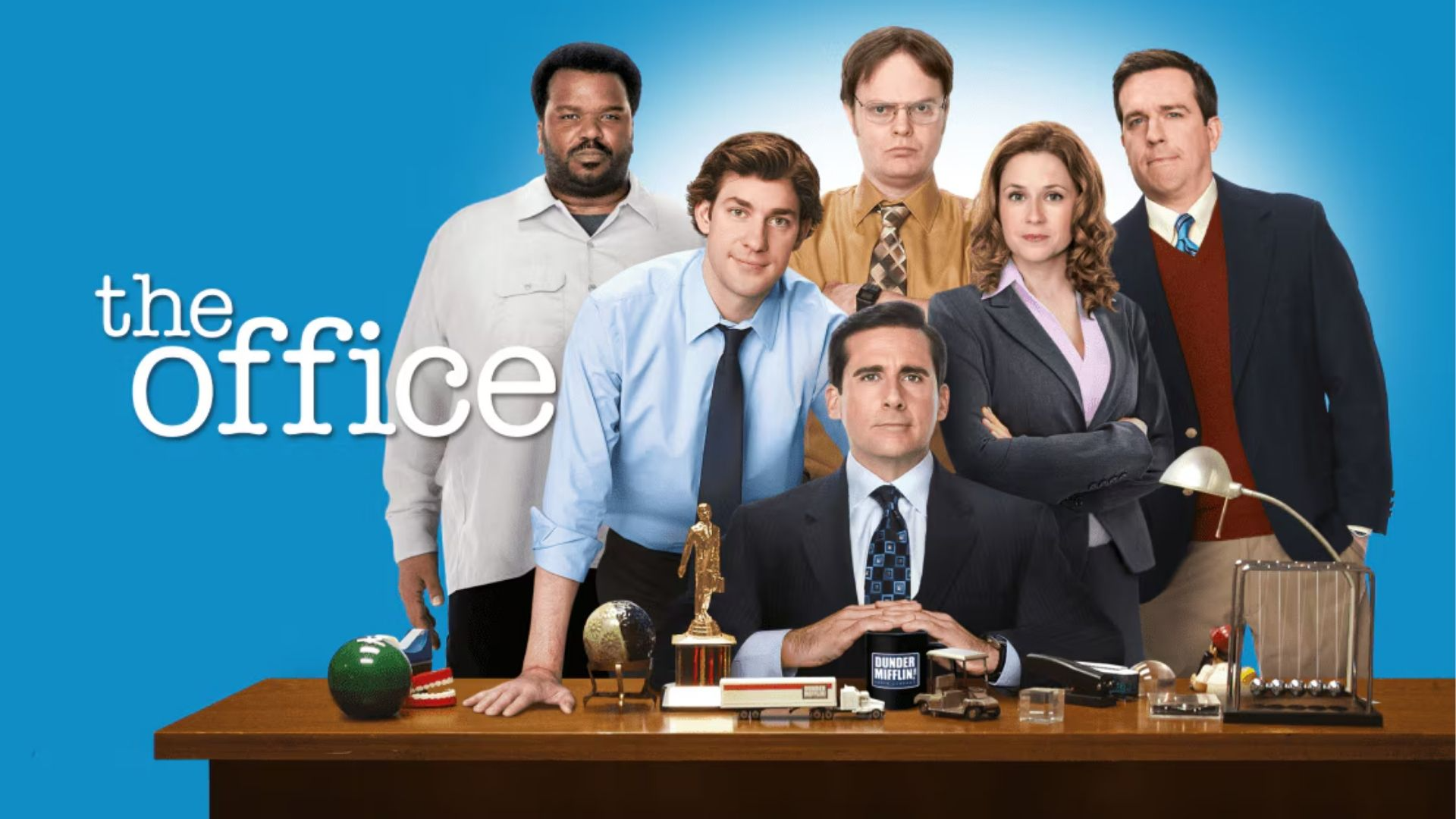 One of the most discussed aspects of The Paper is the performance of its ensemble cast. Critics widely agreed that the actors handled the emotional complexity of their roles with sincerity, bringing dimension to characters juggling personal struggles and professional crises. The mockumentary interviews — a hallmark of the genre — were praised for adding depth to otherwise humorous scenarios, revealing vulnerabilities that made the characters feel human and relatable.
Oscar Martinez’s return generated significant nostalgia, but fans debated whether more original characters should have appeared. Some argued that limiting legacy cameos was the right creative choice, allowing The Paper to grow independently. Others wished for additional links to the original cast, believing it would have strengthened emotional continuity.
Despite the mixed reactions, few viewers dismissed the show outright. Even critics who pointed out shortcomings acknowledged its ambition and potential. The series’ central themes — perseverance, community, and the search for relevance in a rapidly changing world — struck a chord with audiences across generational lines.
In many ways, the polarized reception is a testament to the franchise’s enduring impact. The fact that The Paper sparked so much discussion underscores how deeply ingrained The Office remains in modern culture. Whether praised for innovation or critiqued for deviation, the new series undeniably revived interest in mockumentary storytelling and reignited conversations about workplace comedies in an evolving media landscape.
Ultimately, The Paper’s reception illustrates that meaningful art often invites debate. And for a series carrying the weight of such a monumental predecessor, being the most talked-about spin-off of the decade is an achievement in itself.