
When CBS announced the cancellation of NCIS: Hawai’i, it felt like a sudden storm rolling across an otherwise calm Pacific horizon. Fans blinked. Critics double-checked headlines. And the cast? They were just as surprised.
But here’s the twist—this story didn’t end with a cancellation notice.
Because while CBS may have said goodbye, NCIS: Hawai’i refuses to fade into the background noise of television history. Instead, it’s transforming into something else entirely: a cultural statement, a fan-fueled movement, and possibly… a comeback waiting to happen.
Let’s unpack why this show isn’t done—not by a long shot.
The Shock Cancellation That No One Saw Coming
Ratings Weren’t the Problem
When a network cancels a show, we usually assume low ratings are to blame. But that wasn’t the full story here.
NCIS: Hawai’i consistently pulled solid numbers. It held its own within the larger NCIS franchise ecosystem. It wasn’t a ratings disaster. It wasn’t critically panned. So what happened?
Industry insiders pointed toward rising production costs and shifting network priorities. In other words, business decisions—not audience rejection.
And that’s a very different narrative.
A Franchise That Rarely Misses
The NCIS universe has proven to be television’s equivalent of comfort food. From the flagship series to global spin-offs like NCIS: Sydney, the formula works.
Strong ensemble cast. Character-driven storytelling. Emotional stakes layered under procedural tension.
So canceling one branch of such a durable franchise? That felt… off.
The Power of Representation
Breaking Ground With Leadership
One of the show’s most groundbreaking elements was its lead: Vanessa Lachey as Special Agent in Charge Jane Tennant.
She wasn’t just another procedural protagonist.
She was the first female lead in the NCIS franchise.
That matters.
Representation isn’t just a buzzword—it’s a mirror. And for many viewers, seeing a strong, multidimensional woman leading a high-stakes federal task force felt long overdue.
Diversity That Felt Organic
The cast reflected Hawai’i’s cultural landscape with authenticity. It wasn’t tokenism. It wasn’t surface-level inclusion.
It was woven into the DNA of the show.
And audiences noticed.
Why Fans Refuse to Let Go
The Social Media Surge
When cancellation news broke, social platforms lit up like a wildfire.
Petitions gained traction. Hashtags trended. Fan campaigns rallied.
It wasn’t just disappointment—it was defiance.
Because fans didn’t see a failing show. They saw potential cut short.
Emotional Investment Runs Deep
Here’s the thing about procedural dramas: people grow attached to characters like they’re neighbors.
We watched Tennant juggle leadership and motherhood. We saw personal arcs unfold episode by episode. The team dynamic wasn’t just scripted chemistry—it felt lived-in.
Canceling that mid-journey? That’s like closing a book halfway through the final chapter.
The Streaming Factor—A Second Life?
Streaming Changes Everything
We live in a different TV era now.
Cancellation doesn’t necessarily mean extinction.
Streaming platforms have revived shows before. And in a content-hungry market, a series with an established fanbase and franchise recognition is valuable intellectual property.
Could another platform pick it up? It’s not impossible.
The Precedent for Revival
Television history is filled with second chances.
Cult hits. Fan-driven comebacks. Surprise renewals.
The formula is simple: passionate audience + strong brand = opportunity.
And NCIS: Hawai’i checks those boxes.
The Economics Behind the Decision
Production Costs in Paradise
Let’s be honest—filming in Hawai’i isn’t cheap.
Location shoots, logistics, travel expenses… paradise comes with a price tag.
In an era of tightening budgets and industry restructuring, cost efficiency became king.
But financial decisions don’t always align with cultural impact.
The Franchise Future
NCIS Isn’t Going Anywhere
The larger NCIS brand remains a powerhouse. With decades of longevity under its belt, it continues to evolve.
The cancellation of one installment doesn’t signal franchise decline—it signals recalibration.
But that recalibration might circle back.
Spin-Off Fatigue or Strategic Shift?
Some argue the franchise expanded too quickly. Others say the network is simply reshuffling.
Either way, removing Hawai’i created a noticeable gap.
And fans are reminding executives that the gap still matters.
Cultural Impact Beyond Ratings
Hawai’i as More Than a Backdrop
The islands weren’t just scenery.
They were a character.
From sweeping coastal visuals to culturally grounded storytelling, the setting shaped the tone of the series. It added warmth, complexity, and identity.
Losing that flavor changes the franchise’s palette.
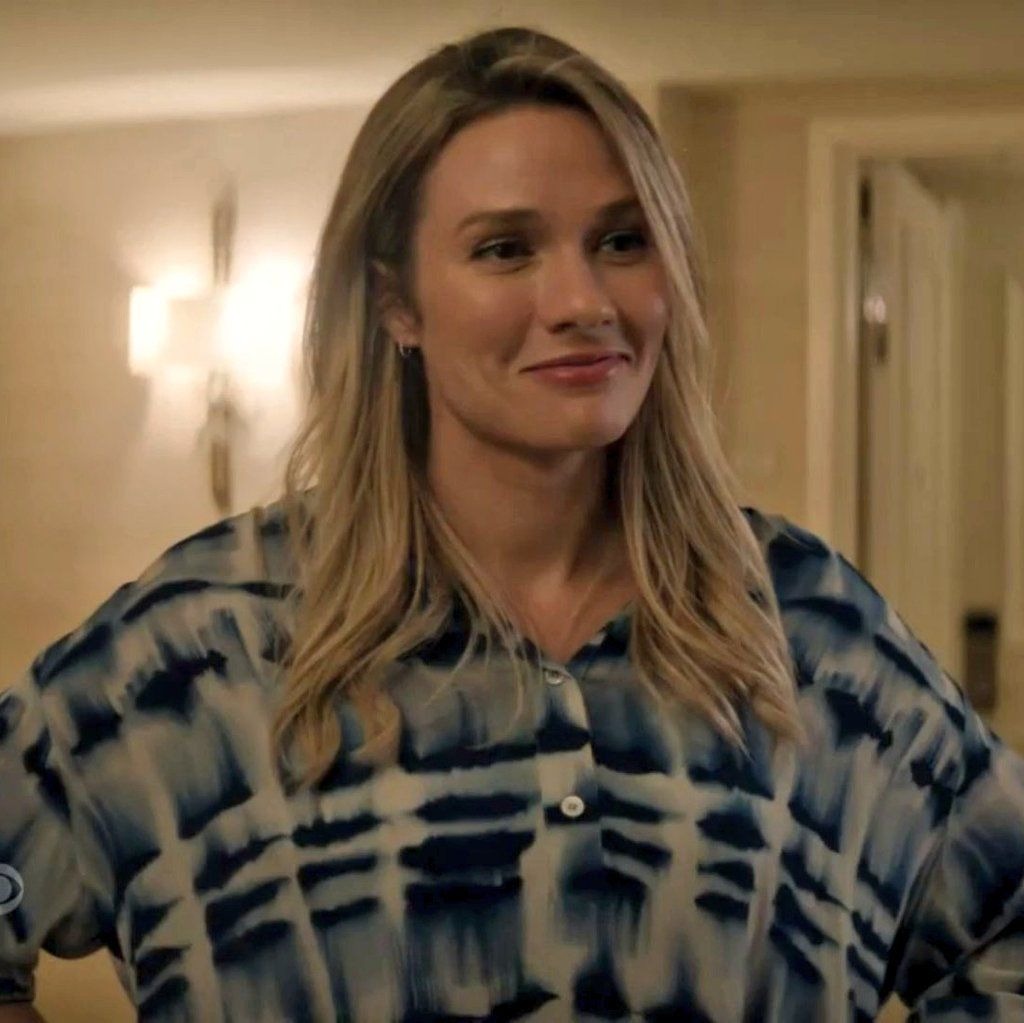
Female Leadership on Prime-Time TV
Jane Tennant’s leadership wasn’t portrayed as extraordinary because she was a woman—it was portrayed as strong because she earned it.
That nuance resonated.
And representation like that doesn’t disappear quietly.
The Cast and Crew’s Emotional Farewell
Behind the scenes, cast members expressed gratitude and heartbreak in equal measure.
Three seasons may not seem long in franchise years—but bonds form fast under pressure.
Their farewell felt unfinished.
Not bitter. Just incomplete.
What a Revival Could Look Like
A Limited Series Return
Imagine a short revival season. A “final mission.” Closure.
Streaming platforms love event-style content. A condensed arc could satisfy fans while managing budget constraints.
Crossover Opportunities
The NCIS universe thrives on crossovers.
Bringing Jane Tennant into another branch—even temporarily—could maintain continuity and open new storytelling doors.
The Bigger Picture—Television’s New Reality
We’re in a transitional era.
Networks are cautious. Streaming is competitive. Audiences are fragmented.
But one constant remains: loyal fandom matters.
And when viewers fight for a show, it sends a signal.
Why NCIS: Hawai’i Still Matters
Because it represented progress.
Because it honored culture.
Because it built characters we cared about.
And because sometimes, cancellation isn’t the end—it’s the pause before the next chapter.
Conclusion: A Goodbye That Doesn’t Feel Final
CBS may have officially closed the case on NCIS: Hawai’i, but culturally? Emotionally? Practically? The file remains open.
In today’s television landscape, endings are rarely permanent. Shows return. Narratives evolve. Platforms shift.
And when a series carries franchise weight, loyal fans, and cultural relevance, fading away quietly isn’t so easy.
So no—NCIS: Hawai’i isn’t just a canceled show.
It’s a story waiting for its next move.