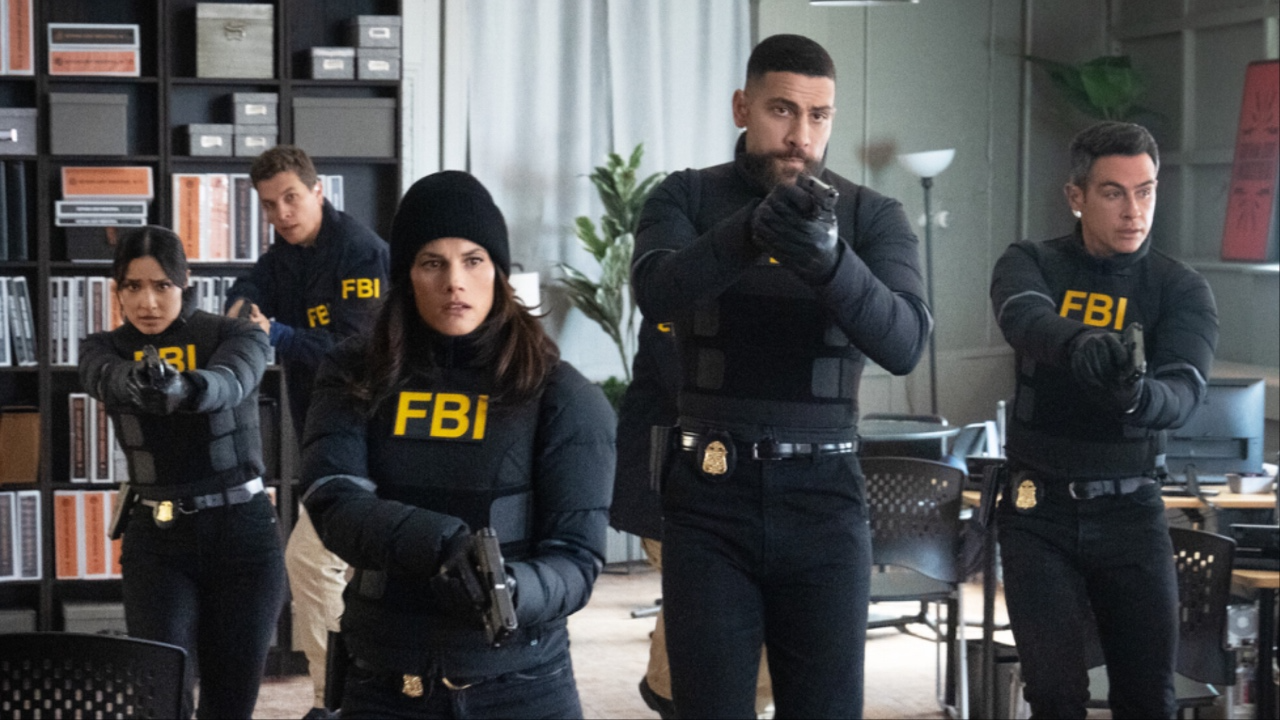
The high-stakes world of the Federal Bureau of Investigation is no stranger to tension, but the real-world firestorm currently engulfing CBS has nothing to do with a television script and everything to do with a disgruntled audience. Following the broadcast of the 2026 season finale of its flagship procedural FBI, the network has found itself in the crosshairs of a digital uprising. What was intended to be a gripping, water-cooler moment of prestige television has instead triggered a wave of “fan fury” that is currently trending across every major social media platform. The outrage centers on a narrative choice so bold, and arguably so destructive, that it has left long-time viewers questioning the future of the series and the network’s respect for its loyal fanbase.
For years, the success of FBI has rested on the rock-solid partnership of Special Agents Maggie Bell and Omar Adom “OA” Zidan. Their chemistry, built on a foundation of mutual trust and contrasting backgrounds, has been the emotional anchor of the show amidst the procedural chaos of New York City’s field office. However, the 2026 finale, titled “End of the Line,” shattered that foundation in a way that many fans describe as “gratuitous” and “narratively dishonest.” The episode culminated in a massive, multi-agency sting operation that went horribly wrong, leading to a cliffhanger that suggests the permanent departure—and potential death—of a core cast member in a manner that felt rushed and unearned.
The online outrage began almost the second the credits rolled. Hashtags like #SaveOurFBI and #CBSBetrayal began trending within minutes, as fans flooded the network’s official accounts with demands for answers. The primary grievance isn’t just that a beloved character might be gone, but the way it was handled. In an era where “shock value” often trumps character development, the FBI writers have been accused of sacrificing years of emotional investment for a cheap ratings spike. The fury is particularly directed at the lack of closure; after 22 episodes of buildup, the finale left several major subplots dangling while focusing on a catastrophic event that felt disconnected from the season’s overarching themes.
Furthermore, the backlash has taken on a more serious tone regarding the treatment of the show’s diverse cast. With FBI being one of the most-watched dramas in the world, its representation of professional excellence is a point of pride for many viewers. The finale’s decision to place certain characters in positions of extreme vulnerability, while others were sidelined, has sparked intense debate about the “expendability” of lead actors in modern procedurals. Fan forums are currently filled with manifestos from viewers who claim they will boycott the 2026–2027 season unless CBS issues a formal clarification or a “narrative course correction.”
CBS executives, typically silent during such controversies, have been forced into a defensive posture. Sources close to the production suggest that the finale was designed to facilitate a “creative soft reboot” for the upcoming Season 9, allowing the show to introduce new blood and higher stakes. However, this corporate logic has done little to soothe the anger of fans who feel that a “reboot” shouldn’t come at the cost of the show’s soul. The “Clash of Titans” here isn’t between two characters on screen, but between the network’s desire for fresh demographics and the audience’s demand for continuity and respect.
The timing of this outrage is particularly sensitive. As CBS prepares for its fall upfronts, the negative press surrounding its top-rated drama is an unwelcome distraction. Critics have pointed out that while procedural dramas are built on a “case-of-the-week” format, the modern audience stays for the family dynamic. By blowing up that family—literally and figuratively—the showrunners may have overplayed their hand. The digital “riot” is a stark reminder that in 2026, the barrier between creators and consumers has vanished; fans have a louder voice than ever, and they are using it to demand better storytelling.
As we look toward the fall, the question remains: Can FBI recover from this self-inflicted wound? If the network remains silent, the “fan fury” could translate into a significant ratings dip. For a show that has survived cast changes and production hurdles in the past, this feels different. It is a crisis of trust. The 2026 finale didn’t just end a season; it may have ended the honeymoon period between the series and its most devoted supporters. Whether the writers can pull a rabbit out of the hat in the Season 9 premiere to justify this trauma is yet to be seen, but for now, the heat in the FBI kitchen is coming from the fans, and it is burning white-hot.