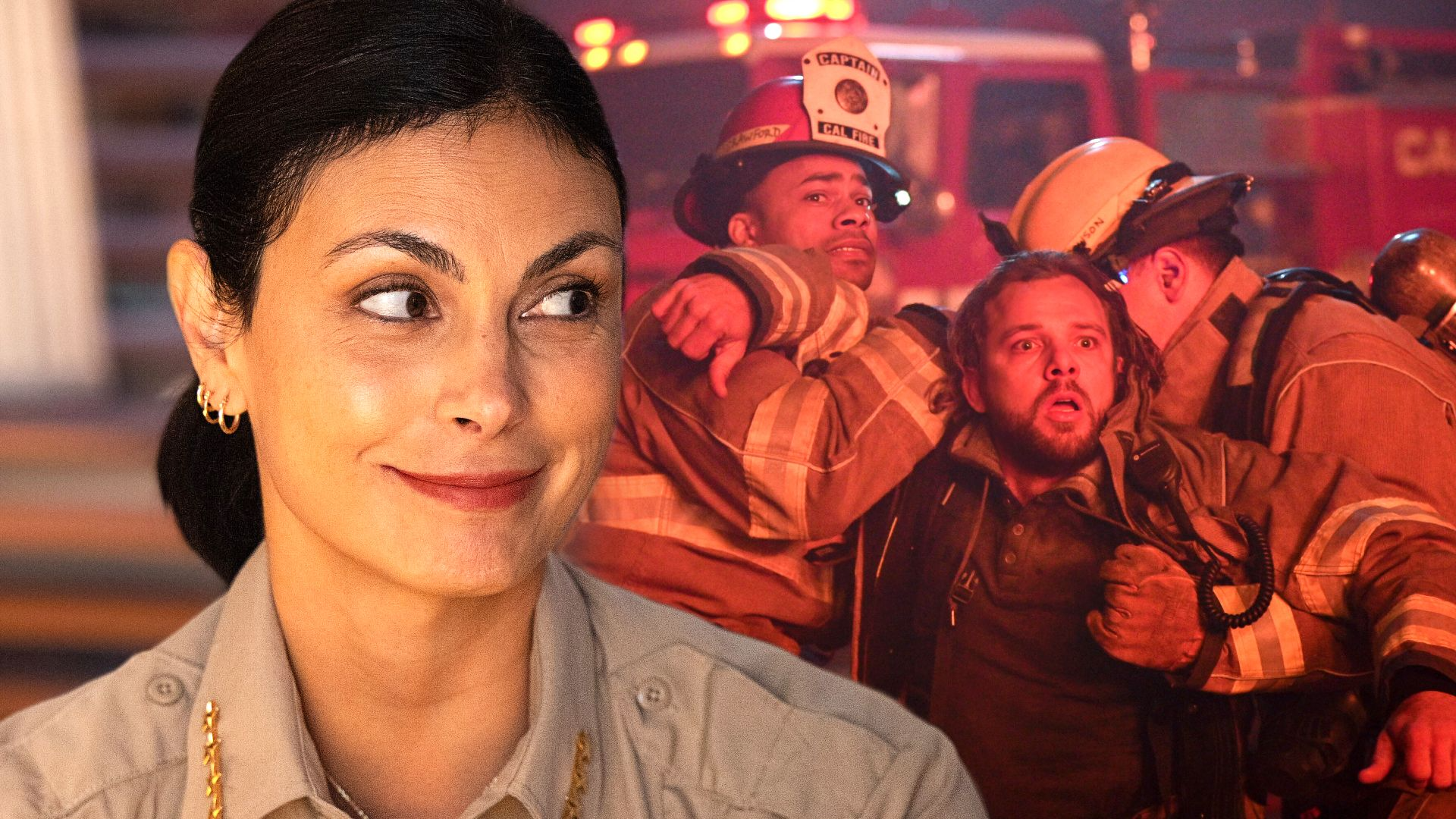
When CBS first premiered Fire Country, few could have predicted how quickly the series would ignite into one of the network’s defining dramas. Built around themes of redemption, family loyalty, and second chances, the show struck a powerful chord with audiences. Now, with CBS officially expanding the franchise through the upcoming spinoff Sheriff Country for the 2025–2026 television season, the Fire Country universe is poised to grow even bigger—both narratively and emotionally.
At the heart of Fire Country is Bode Donovan, portrayed by Max Thieriot, a troubled young man seeking redemption through California’s inmate firefighting program. The series, which airs on CBS, blends high-stakes wildfire action with deeply personal storytelling. Unlike traditional procedural dramas, Fire Country leans heavily into serialized character arcs, exploring generational trauma, fractured relationships, and the moral gray areas that define its central characters. This emotional intensity has helped the show stand out in a crowded primetime landscape.
The decision to expand the universe with Sheriff Country signals not only CBS’s confidence in the franchise but also its recognition of the show’s rich world-building potential. The spinoff is expected to shift focus from the fire lines to law enforcement in the same Northern California setting, broadening the scope of the narrative while maintaining the grounded, community-driven tone that made the original series resonate. By moving from the firehouse to the sheriff’s department, the franchise can explore new kinds of emergencies—criminal investigations, rural justice conflicts, and inter-agency tensions—while still anchoring its stories in personal stakes.
This expansion reflects a broader strategy that networks have used successfully in the past: build a cohesive universe where characters can cross over, storylines can intersect, and viewers feel invested in a larger narrative ecosystem. In many ways, Fire Country has already laid the groundwork for this. Its depiction of small-town California life—where firefighters, inmates, deputies, and civilians all intersect—naturally lends itself to interconnected storytelling. A sheriff-centered drama feels less like a departure and more like a logical extension of the world that audiences already know.
What makes this move particularly compelling is the thematic alignment between the two shows. Fire Country is fundamentally about redemption and service. Firefighters risk their lives not only to protect communities but also to redefine themselves. A law-enforcement-focused spinoff can deepen those themes by examining justice from another angle: accountability, authority, and the burden of decision-making in moments of crisis. The sheriff’s office will likely face dilemmas that mirror the moral struggles of the fire camp, creating opportunities for layered storytelling.
From a character perspective, the potential for crossovers adds another level of anticipation. Firefighters and deputies inevitably respond to the same emergencies. A wildfire might uncover a crime. A rescue operation might evolve into a criminal investigation. These intersections allow for dynamic, high-energy episodes that blend action with character drama. For fans, the idea of seeing familiar faces appear across both series enhances the sense of continuity and emotional investment.
The expansion also represents an evolution for Max Thieriot, who not only stars in Fire Country but has been creatively involved in shaping its direction. His journey from actor to creative force underscores how deeply personal the project is. The California wildfire setting is not a generic backdrop; it reflects real communities and real risks. By expanding the universe, CBS is doubling down on a world that feels authentic and urgent.
Of course, expanding a franchise comes with challenges. Maintaining narrative cohesion while ensuring that each series has its own identity is no small task. Audiences are quick to detect when a spinoff feels derivative or unnecessary. For Sheriff Country to succeed, it must stand on its own—offering distinct characters, compelling conflicts, and a tone that complements rather than imitates its predecessor. Yet if the writing maintains the emotional depth and grounded realism that define Fire Country, the spinoff has strong potential.
Ultimately, CBS’s decision to expand the Fire Country universe signals confidence in long-form storytelling rooted in community and consequence. The original series demonstrated that viewers are hungry for dramas that balance spectacle with sincerity. With Sheriff Country set to join the lineup in 2025–2026, the franchise is entering a new chapter—one that promises broader stakes, deeper character connections, and a more expansive look at the fragile line between chaos and order in Northern California.
If handled thoughtfully, this expansion will not dilute what made Fire Country powerful. Instead, it could amplify it—transforming a hit show into a fully realized television universe built on fire, redemption, and the people brave enough to stand in the heat.