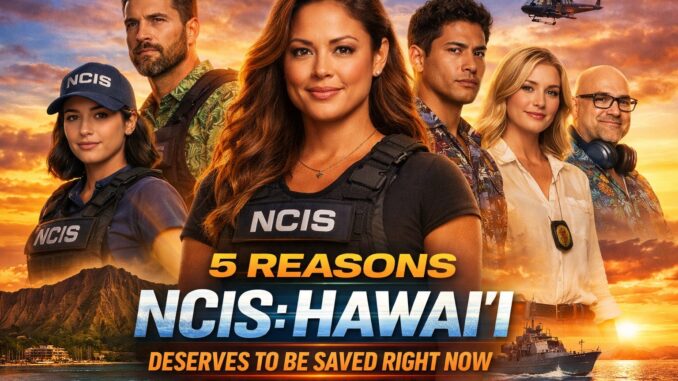
When NCIS: Hawaiʻi premiered, it didn’t just extend a franchise. It shifted the tone, redefined leadership, and gave the long-running NCIS universe a vibrant new heartbeat. Set against the stunning backdrop of Hawaii, the series delivered more than procedural drama—it offered warmth, authenticity, and representation rarely seen in primetime crime shows.
And yet, despite loyal fans and solid storytelling, the show faces an uncertain future.
So here’s the real question: Why walk away from something that still works?
Let’s break down the five powerful reasons NCIS: Hawaiʻi deserves to be saved right now.
1. It Redefined Leadership on Network Television
Jane Tennant Changed the Game
For the first time in franchise history, the NCIS universe introduced a female Special Agent in Charge at the center of the story. Jane Tennant, portrayed by Vanessa Lachey, wasn’t just another procedural lead.
She was layered.
She was human.
She was balancing national security with motherhood, leadership with vulnerability.
In a television landscape still catching up with authentic female authority figures, NCIS: Hawaiʻi did it naturally. No gimmicks. No overcompensation. Just real storytelling.
Representation That Actually Meant Something
The series didn’t just check boxes. It embraced cultural authenticity. Hawaiʻi wasn’t a postcard backdrop—it was alive. Local traditions, language, and community dynamics shaped the storytelling.
And that matters.
Audiences today crave representation that feels organic. Canceling this show sends the opposite message.
2. The Setting Wasn’t Just Beautiful—It Was Strategic
Hawaiʻi as a Military and Political Crossroads
Let’s be honest. No other NCIS spinoff had this geographic advantage.
With United States Indo-Pacific Command headquartered in Hawaiʻi, the show had limitless geopolitical storytelling potential. From cyber warfare to Pacific Rim tensions, the writers had an entire world of stories left to explore.
Why end a show that still has narrative fuel in the tank?
A Fresh Tone Compared to Other NCIS Series
While NCIS: Los Angeles leaned into undercover espionage and NCIS: New Orleans embraced Southern noir, NCIS: Hawaiʻi found its own rhythm.
It felt breezier—but never lightweight.
It balanced island calm with high-stakes danger. That tonal balance is rare. And audiences connected with it.
3. The Ensemble Cast Still Has Unfinished Arcs
Character Chemistry You Can’t Manufacture
Procedurals live or die by their ensemble.
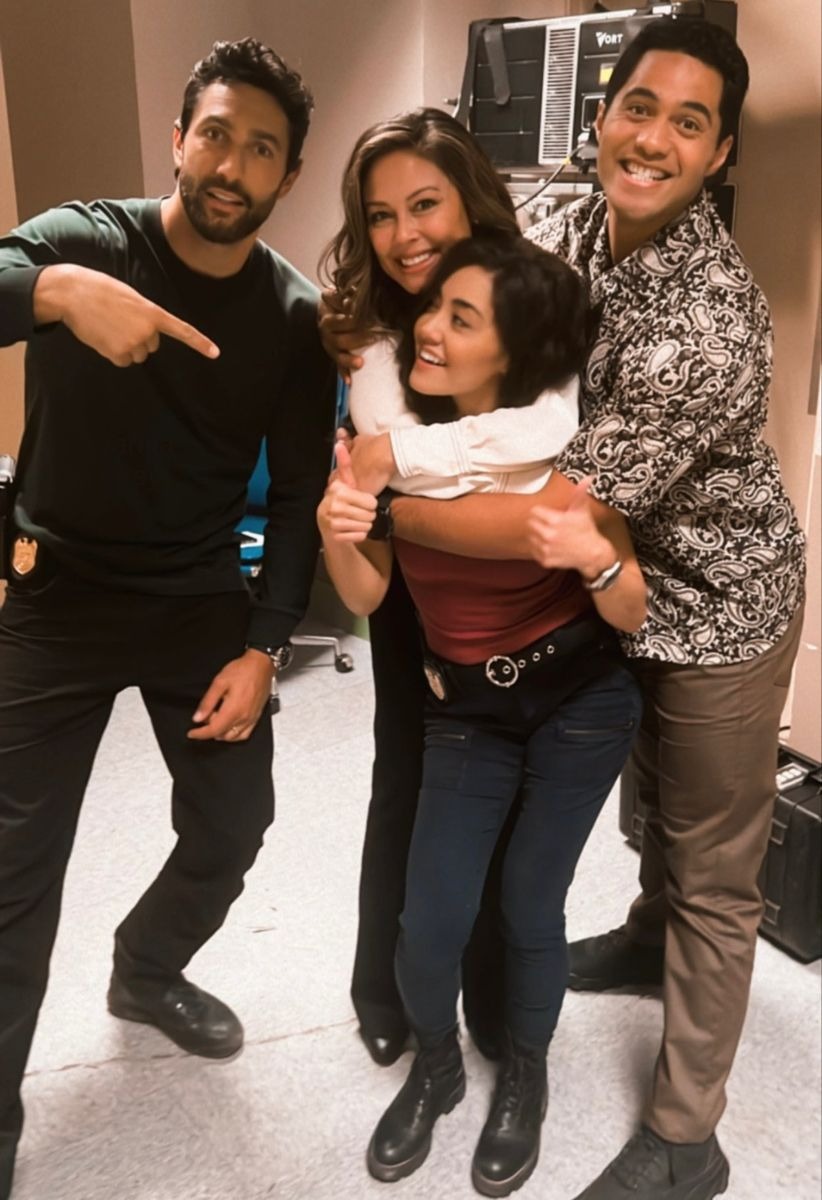
The team dynamic between Tennant, Lucy, Whistler, Kai, and Ernie wasn’t just functional—it felt earned. Viewers watched relationships evolve naturally. Romantic tension simmered. Professional rivalries deepened. Trust was built episode by episode.
Canceling now means cutting off character growth mid-journey.
And fans feel that.
LGBTQ+ Representation Done Right
The romance between Lucy and Whistler stood out not because it was flashy, but because it was grounded. Their relationship unfolded with the same narrative weight as any other couple in the franchise.
In a media landscape where authentic LGBTQ+ representation still struggles for longevity, ending this show feels like a step backward.
4. The NCIS Franchise Is Stronger With It Than Without It
Franchise Synergy Matters
The NCIS universe has thrived for over two decades because of smart expansion. Shows like NCIS: Sydney prove the brand still has international potential.
So why shrink when you can grow?
NCIS: Hawaiʻi offered crossovers, shared storylines, and long-term franchise cohesion. Removing it narrows the universe instead of expanding it.
Audience Loyalty Is Hard to Build
Procedurals rely on habit viewing. Once audiences form a weekly routine, breaking it is risky. Winning them back? Even harder.
If networks are chasing stability, canceling a dependable franchise entry feels counterintuitive.
5. Fan Demand Is Loud—and It’s Growing
Social Media Campaigns Are Gaining Momentum
In today’s television landscape, fans don’t just watch—they mobilize. Online petitions, trending hashtags, coordinated streaming campaigns… they all signal one thing:
The audience isn’t done.
We’ve seen revivals happen before. Shows with smaller fanbases have returned because viewers refused to let them fade quietly.
Streaming Could Offer a Second Life
Platforms are hungry for recognizable IP. A move to streaming could allow for tighter seasons, bolder storytelling, and a fresh marketing push.
The ingredients are there.
The question is whether decision-makers are paying attention.
The Emotional Factor You Can’t Quantify
Here’s something ratings don’t measure well: emotional investment.
For many viewers, NCIS: Hawaiʻi became comfort television. It was the show you watched after a long day. The one that balanced danger with heart. The one where teamwork actually meant something.
In uncertain times, familiarity is powerful.
Canceling that connection isn’t just a programming shift—it’s a cultural loss.
What Saving NCIS: Hawaiʻi Would Actually Signal
Commitment to Diversity
Saving the show signals that diverse leadership and inclusive storytelling are not experiments—they’re priorities.
Confidence in Long-Term Storytelling
It shows networks value patience over panic. Building franchises takes time. Growth isn’t always explosive. Sometimes it’s steady—and steady wins.
The Bottom Line
NCIS: Hawaiʻi isn’t just another spinoff. It represents evolution within a trusted franchise. It brought new energy, deeper representation, and strategic storytelling possibilities.
And perhaps most importantly?
It still has stories left to tell.
Canceling it now feels premature. Saving it feels smart.
Conclusion: Don’t Let the Aloha Fade
Television history is filled with shows that ended too soon—only to be rediscovered years later with regret. NCIS: Hawaiʻi doesn’t have to become one of those stories.
It delivered strong leadership, cultural authenticity, emotional depth, and franchise synergy. It proved that even a long-running brand like NCIS can still reinvent itself.
So here we are.
Five reasons. One clear message.
This show deserves another chapter.
And maybe—just maybe—it’s not too late to write it.