As the 2025–2026 television season approaches, CBS has officially revealed which of its scripted and unscripted series will return in 2026, as well as which shows are ending or not being renewed. The announcement highlights CBS’s continued reliance on long-running franchises and high-performing procedural dramas, while also reflecting the realities of changing viewer habits, shifting advertising priorities, and increased competition from streaming platforms.
For decades, CBS has built its brand around consistency and reliability. Shows such as NCIS, Survivor, and 60 Minutes have anchored its lineup and delivered steady ratings across generations of viewers. The latest renewal slate reinforces that identity, while also signaling strategic adjustments in comedy, late-night programming, and franchise expansion. Below is a full breakdown of what is returning, what is ending, and what these decisions say about CBS’s direction heading into 2026.
Renewed Series Returning in 2026
CBS confirmed renewals for a wide range of series, including flagship dramas, audience-favorite comedies, and long-running reality competitions. Many of these shows remain top performers in live viewership and delayed streaming metrics, making them essential pillars of the network schedule.
One of the most notable renewals is Survivor, which continues its remarkable multi-decade run. The series has evolved with modern audiences while maintaining the core format that made it a cultural phenomenon. With milestone seasons ahead, CBS clearly sees Survivor as both a nostalgia brand and an active ratings driver.
The Amazing Race will also return, further reinforcing CBS’s strong foothold in reality competition programming. Together, these shows provide the network with dependable year-round event television, appealing to both longtime fans and newer viewers discovering the franchises through streaming.
CBS’s procedural drama lineup remains the backbone of its scripted identity, and the network has doubled down on the NCIS franchise. The flagship NCIS continues into another season, supported by renewed spinoffs including NCIS: Origins and NCIS: Sydney. These series anchor primetime schedules, deliver strong syndication value, and expand the franchise universe in meaningful ways. Their renewals make clear that franchise-driven storytelling remains a central part of CBS’s long-term content strategy.
Fire Country also returns, continuing its strong momentum as one of CBS’s newer breakout dramas. Its success has helped launch an expanding universe, including the spin-off Sheriff Country, which has likewise been renewed. Together, the shows represent CBS’s effort to develop fresh procedural brands capable of evolving into larger franchise ecosystems.
On the comedy side, Ghosts continues to be one of CBS’s most popular and well-received scripted series. Its renewal through multiple seasons reflects both ratings success and critical acclaim, as well as the network’s desire to maintain stability in its comedy slate. CBS is also keeping newer comedies and hybrid formats in rotation, supporting a schedule that blends established hits with newer creative voices.
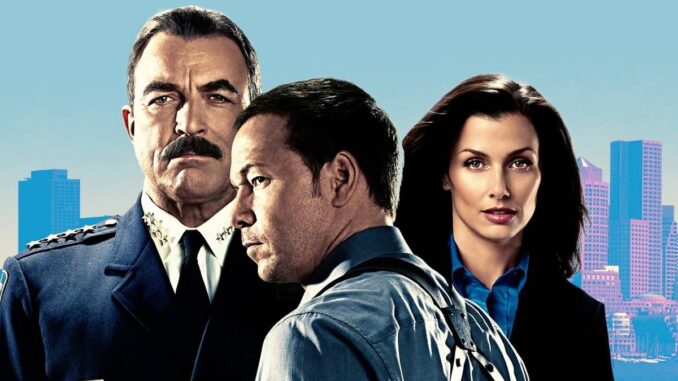
Several newly introduced or recently launched series have also earned additional seasons following promising audience engagement. Dramas such as Boston Blue and reimagined classics like Matlock have secured renewals, indicating confidence in their growth potential. These decisions show CBS’s willingness to nurture newer titles rather than abandoning them after a single season, a strategy that aligns with the network’s historically long-view approach to programming development.
Collectively, CBS’s renewal lineup emphasizes reliability, familiarity, and franchise expansion. Rather than pursuing rapid experimental turnover, the network is reinforcing its strongest performers while gradually building new properties capable of sustaining multi-season runs.

Cancelled and Concluding Series
Alongside its renewal announcements, CBS confirmed that several shows will conclude their runs or will not be returning in 2026. These decisions are influenced by a combination of ratings performance, production costs, scheduling priorities, and broader shifts in audience consumption patterns.
One of the most significant announcements involves The Late Show with Stephen Colbert. After years as a dominant force in late-night television, the series will conclude in 2026. The decision reflects the changing economics of late-night programming, where declining live viewership and evolving advertiser strategies have reshaped the value of the format. While still influential culturally, late-night television has faced increasing competition from digital and on-demand platforms, and CBS appears to be reassessing how this time slot fits within its broader programming model.
The Neighborhood is another series heading toward its end, with its final season airing during the 2025–2026 cycle. After an extended run and solid performance, the show will conclude on a planned timeline rather than being abruptly cancelled. Its conclusion marks the end of one of CBS’s most recognizable recent sitcoms and opens room in the schedule for future comedy development.
Beyond these titles, CBS has also made selective cuts to certain procedural and franchise-adjacent series. Some spin-offs and companion shows in larger television universes have been phased out as the network focuses resources on the strongest-performing core titles. These choices reflect a programming philosophy centered on consolidation rather than oversaturation, ensuring that franchise brands remain focused and sustainable.
While cancellations are never easy for loyal fans, they illustrate CBS’s willingness to evolve its lineup rather than relying indefinitely on aging or underperforming titles. At the same time, the network has allowed several long-running series to conclude with dedicated final seasons, offering cast, writers, and audiences closure rather than abrupt endings.
What the 2026 Lineup Tells Us About CBS Strategy
CBS’s 2026 renewals and cancellations reveal a network prioritizing stability, brand strength, and multi-platform value. Procedural dramas continue to dominate the schedule because they perform well across live broadcasts, syndication networks, and streaming libraries. They are structurally episodic, easy for casual viewers to revisit, and dependable for advertisers. By reinforcing franchises such as NCIS and Fire Country, CBS is investing in programming that remains profitable beyond its initial air date.
Reality franchises like Survivor and The Amazing Race serve a similar role, delivering built-in loyalty and long-term staying power. These shows create event-style seasons and intergenerational appeal, which is increasingly rare in modern television environments.
At the same time, CBS is selectively growing newer titles that align with its core identity rather than dramatically reinventing its brand. Renewing fresh dramas and reinvigorated classics suggests a preference for evolution over disruption.
The network’s willingness to end certain shows — including major late-night and sitcom titles — demonstrates recognition of changing industry trends. Traditional formats face renewed scrutiny as audiences migrate toward streaming, social platforms, and on-demand content. CBS’s decisions indicate a strategic effort to refine its schedule in response to those shifts while preserving the strengths that have historically defined the network.
Looking Ahead to the 2026–2027 Season
As CBS moves toward 2026 and beyond, its programming direction appears focused on a balance of familiarity and forward movement. Long-running franchises will continue to anchor primetime, while carefully chosen new series develop alongside them. The network’s approach suggests confidence in its established identity, even as it adapts to a rapidly changing media landscape.
For viewers, the renewed lineup offers continuity, stability, and the return of many beloved shows. For CBS, the 2026 slate represents both a reaffirmation of its legacy and a measured step toward the next era of broadcast television.