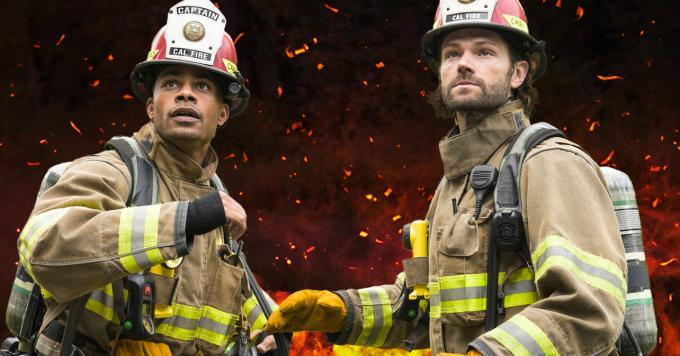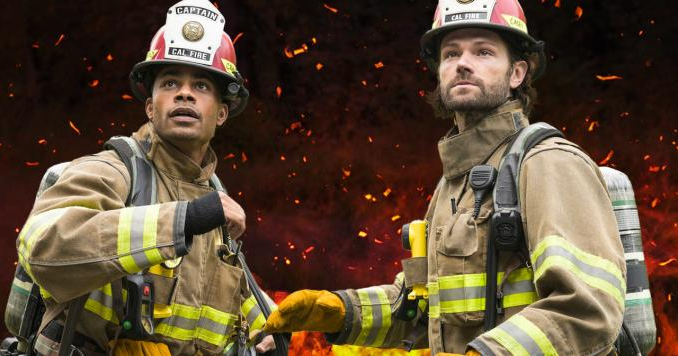
Since its debut, CBS’s Fire Country has ignited a firestorm of discussion, becoming one of the most-watched yet most polarizing dramas on network television. Centered on Bode Leone—a convict seeking redemption through an elite prison release firefighting program in his Northern California hometown—the show has successfully tapped into a vein of high-stakes storytelling. However, for every fan who finds it addictive, there is a critic ready to point out its flaws. Here is an exploration of the ten reasons why Fire Country remains a show that audiences either love to watch or love to hate.
At the heart of the show’s appeal is its unique premise. By focusing on the real-life Cal Fire inmate program, the series offers a fresh “second chance” narrative that sets it apart from typical procedural dramas. This hook is bolstered by Max Thieriot’s performance as Bode Leone; fans are drawn to his gritty, vulnerable portrayal of an underdog fighting both literal forest fires and the internal ghosts of his past. This journey of redemption is framed by a compelling small-town atmosphere in Edgewater, where the “pressure cooker” environment ensures that every secret has a consequence.
Furthermore, the show excels at delivering high-stakes action. The cinematic scale of the wildfires and daring rescues provides a weekly adrenaline rush that keeps viewers on the edge of their seats. This spectacle is grounded by complex family dynamics, particularly the fractured relationship between Bode and his parents, Sharon and Vince. For many, it is this emotional heartbeat—the messy, painful process of rebuilding trust after a tragedy—that makes the show worth the watch.
However, the very elements that draw some in are exactly what drive others away. The most frequent criticism stems from a glaring lack of realism. Real-life firefighters often point out technical inaccuracies, from improper gear usage to “cowboy” tactics that prioritize drama over safety. This often leads to a sense of excessive melodrama, where critics argue the show feels more like a “firefighter soap opera” than a serious drama. The constant barrage of world-shattering secrets and tragic backstories can feel exhausting rather than engaging.
This storytelling style often results in predictable plotlines and convenient coincidences, where Bode frequently finds himself as the only person capable of saving the day. Such tropes contribute to what some call “Main Character Syndrome,” where the world feels small because it revolves so heavily around the Leone family at the expense of interesting supporting characters. Finally, viewers often struggle with frustrating character choices. Bode’s tendency toward self-sabotage and the characters’ impulsive, often illogical decisions can make it difficult for some to stay invested in their journey.
Ultimately, Fire Country is a polarizing blaze. It thrives on the tension between high-octane “hero moments” and the messy reality of human error. Whether you view it as a thrilling tale of redemption or a far-fetched melodrama depends entirely on what you want from your television experience.