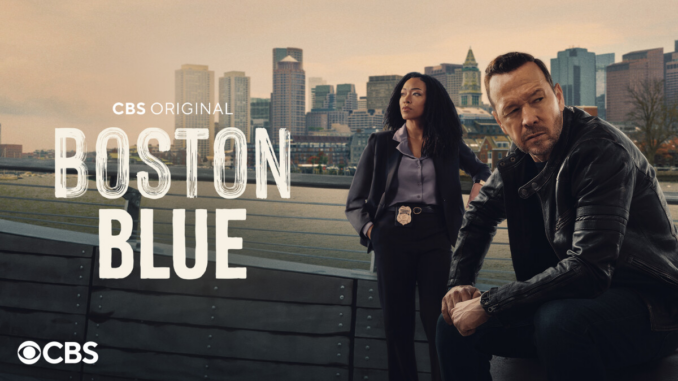
Boston Blue has quickly become one of the most talked-about new shows of 2025—not just for its crime drama twists, but for the heated online conversations it has sparked among fans and critics alike. From Reddit threads to ratings charts, viewers are passionately debating what Boston Blue is trying to be—and whether it’s succeeding.
One of the most explosive discussions on Reddit’s BostonBlue subreddit centers on critical backlash and viewer disappointment. Many long-time fans of Blue Bloods feel the spin-off doesn’t live up to its predecessor, criticizing the writing, character depth, and overall execution. Comments range from describing the dialogue as “comically weak” to dismissing the plots as predictable or overly simplistic. Critics and viewers alike suggest the show leans too heavily on Blue Bloods tropes without building its own identity.
Some posts go further, pointing out everything from perceived forced parallels with the original series to casting that “feels off,” and discussions about whether certain characters add value or distract from the crime procedural at hand. For some detractors, Boston Blue even feels like a “poor copy”—borrowing themes and structures from Blue Bloods without capturing the emotional weight that made the original so beloved.
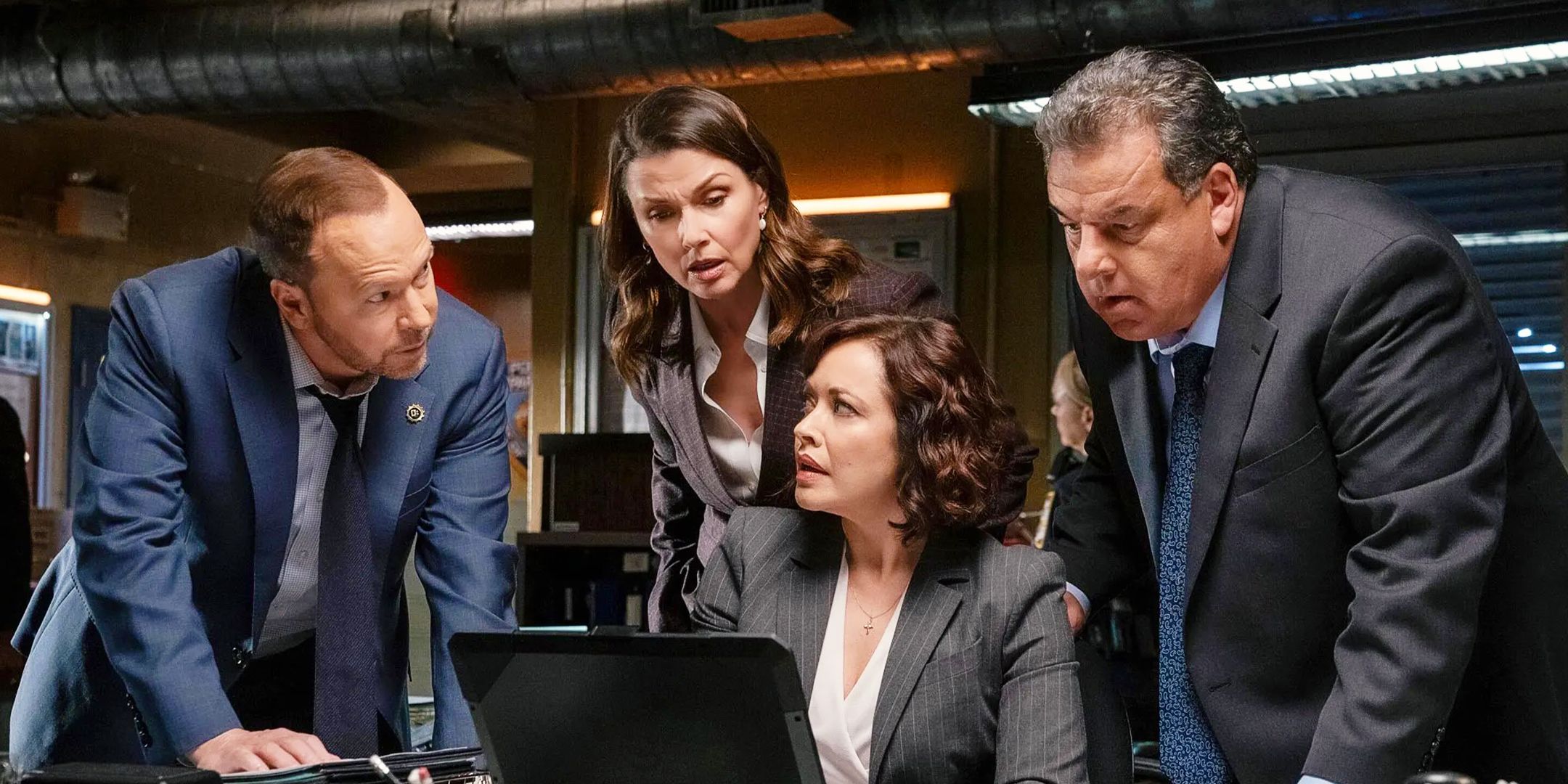
Amid the criticism, another hot topic is viewership trends. Ratings dipped slightly after the premiere but have since shown signs of stabilizing, with some fans hopeful the show will grow into itself as the season continues. This fuels a new layer of debate: Is Boston Blue destined to struggle like its critics claim, or can it turn things around and win over skeptics?
There’s also a noticeable divide between fans who are willing to give the show time to develop and those who have already written it off. Some defenders argue that Boston Blue needs room to evolve—just like Blue Bloods did early in its run—while others remain unimpressed with the procedural elements or the show’s overall tone.
Even stylistic details have become points of contention. Fans have complained about unrealistic set designs and odd production choices that detract from immersion, even down to visible production techniques like rear projection—showing that today’s audience is deeply invested, perceptive, and vocal.
At the same time, Boston Blue’s presence in the Top 10 ratings demonstrates that the controversy hasn’t stopped viewers from tuning in—and in some ways, it may be driving interest rather than reducing it.
So here’s the real question hanging over Boston Blue’s first season:
Is this show a misunderstood gem still finding its voice… or a spin-off struggling with identity and expectation?
Whether you love it, hate it, or fall somewhere in between, one thing’s clear: Boston Blue isn’t fading quietly—it’s fueling heated debate. Which side are you on?