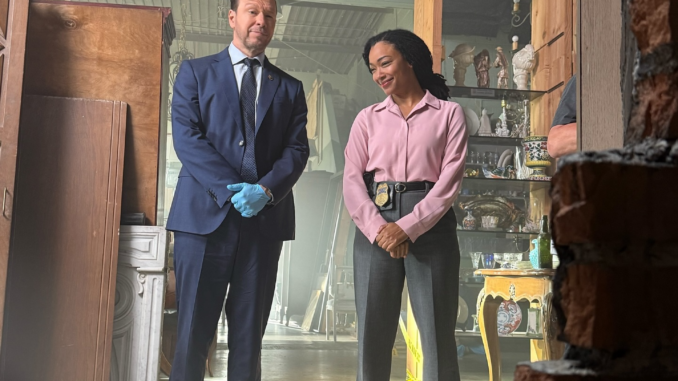
For years, the Reagan family defined loyalty, duty, and Sunday dinner diplomacy in Blue Bloods. Now, as the franchise prepares to evolve with the highly anticipated spinoff Boston Blue, fans are asking a question that feels both thrilling and unsettling:
Is this expansion a bold reinvention—or a gamble that could fracture a legacy?
With 2026 looming as a pivotal year, the conversation surrounding Boston Blue has exploded into one of the most debated television developments in recent memory.
The Donnie Wahlberg Effect: A Familiar Face in Unfamiliar Territory
When it was confirmed that Donnie Wahlberg would carry his iconic character Danny Reagan into a brand-new city, reactions were immediate—and intense.
Danny leaving New York isn’t just a change of scenery. It’s symbolic.
For over a decade, he operated within a tight-knit family structure under the moral compass of his father, portrayed by Tom Selleck. Moving him to Boston suggests independence, reinvention, and possibly isolation.
Fans are divided:
-
Some see it as an exciting evolution for a beloved character.
-
Others fear it signals a quiet dismantling of the original family dynamic.
The idea of Danny without weekly Reagan dinners feels almost rebellious. And that’s exactly why people can’t stop talking about it.
Why Boston? The City Choice That Sparked Speculation
Boston isn’t a random pick.
A city layered with Irish-American history, law enforcement tradition, and political tension, it mirrors many themes that made Blue Bloods resonate. But it also introduces something grittier, colder, and potentially more volatile.
Industry whispers suggest the tone of Boston Blue may lean darker—less family comfort, more moral gray areas. If true, that would mark a sharp tonal pivot from the structured, almost ritualistic storytelling of its predecessor.
Could 2026 bring a version of Danny Reagan we’ve never seen before—hardened, conflicted, and unanchored?
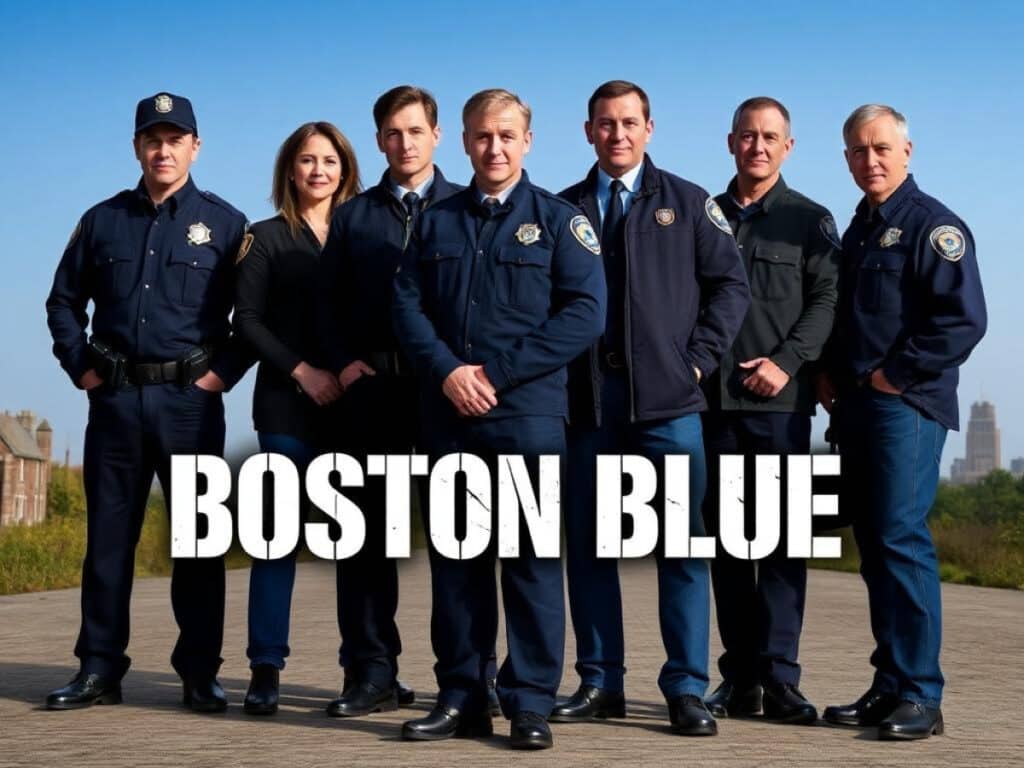
The Absence That Speaks Loudest
Perhaps the most shocking development isn’t who’s joining the spinoff—it’s who isn’t.
There has been no official confirmation that other Reagan family members will become series regulars. That silence is deafening.
Will Bridget Moynahan reprise Erin in guest arcs?
Could Will Estes appear as Jamie to maintain connective tissue?
And what about the patriarch himself—would Tom Selleck make a surprise appearance to pass the torch on-screen?
The uncertainty has fueled theories that 2026 could be the year the franchise fully separates from its roots.
A Creative Reset or Strategic Survival?
Television in 2026 looks very different from when Blue Bloods first premiered. Procedurals must now compete with streaming thrillers, limited series prestige dramas, and global franchises.
Launching Boston Blue may not just be a creative choice—it could be strategic survival.
Franchises dominate modern television. Reinvention keeps intellectual property alive. But reinvention also carries risk.
If Boston Blue strays too far from the emotional core that made the original series beloved, it could alienate longtime viewers. If it stays too close, it risks feeling redundant.
Walking that line will define its fate.
Story Clues Hinting at a Bigger Shake-Up
Recent narrative beats in the closing chapters of Blue Bloods subtly hinted at transition:
-
Danny reflecting more openly on legacy and loss.
-
Conversations about change and new beginnings.
-
An undercurrent of restlessness in his character arc.
It didn’t feel accidental.
Writers rarely plant existential dialogue without payoff. Which raises the question: was the move to Boston planned long before fans realized?
2026 Predictions: The Three Most Explosive Possibilities
As anticipation builds, three major predictions dominate fan discourse:
1. A Darker, Serialized Format
Unlike the mostly episodic structure of Blue Bloods, Boston Blue could adopt multi-episode arcs. That would modernize the storytelling and deepen character psychology.
2. A Shocking Early Loss
Franchises often establish stakes by eliminating a major character. If producers want to signal that this is not the comfort procedural viewers remember, an unexpected tragedy could redefine the tone instantly.
3. A Surprise Reagan Return
Even if the series launches as a standalone, a mid-season 2026 crossover event could reunite the family in a way that feels earned—and explosive.
The Emotional Risk of Letting Go
For many viewers, Blue Bloods wasn’t just about crime-solving. It was about tradition. Stability. Ritual.
Boston Blue threatens to disrupt that ritual.
But disruption can be powerful. Danny Reagan outside his comfort zone could explore grief, aging, fatherhood, and moral fatigue in ways the original format never allowed.
It’s not just a spinoff.
It’s a character stress test.
Social Buzz and Industry Stakes
Casting announcements and production updates have triggered waves of speculation across entertainment circles. Analysts note that CBS rarely invests in spinoffs without long-term strategy in mind.
If successful, Boston Blue could open the door to an expanded universe of interconnected city-based installments.
If it falters, it may close the chapter on one of network television’s most enduring law enforcement dynasties.
There is no middle ground.
So… Is This the Future or the Final Act?
The arrival of Boston Blue represents more than a new zip code.
It’s a referendum on whether legacy shows can evolve without losing their soul.
As 2026 approaches, one thing is certain: the franchise stands at its most dramatic crossroads yet.
Will Danny Reagan’s move to Boston reignite the fire that made audiences fall in love in the first place?
Or will it prove that some traditions are too sacred to relocate?
The sirens are about to sound again.
This time, they echo through a different city—and possibly a different era.