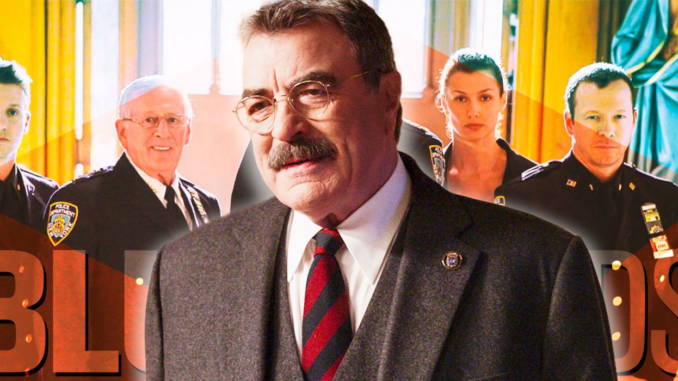
After fourteen seasons, countless dinner-table debates, and more than a decade of weaving moral questions into crime-solving, Blue Bloods has officially concluded. For many, the ending marked not simply the closure of a long-running procedural drama but the end of a television institution. The series carved out a unique space by focusing not only on law enforcement cases but on the complex inner workings of a multigenerational family dedicated to public service.
For years, the Reagan family stood as the emotional and ethical backbone of the show. Led by Frank Reagan, the steadfast police commissioner, the family navigated the tension between duty and personal conviction. The heart of the show was always the balance between moral clarity and the gray areas of justice. As the series matured, this balance deepened: Frank grappled with political pressures, Danny often confronted the emotional toll of violent crime, Erin faced prosecutorial dilemmas, and Jamie embraced leadership while wrestling with the weight of the badge.
The decision to conclude the show was met with strong reactions. While fans knew the series had reached a natural turning point, many were not emotionally ready to say goodbye. The cast, too, expressed deep affection for their characters, acknowledging the unique bond created by more than a decade of storytelling. Yet the finale delivered something rare in television: a thoughtful, respectful send-off that honored the characters and the audience alike.
The final season did not rely on shock or spectacle. Instead, it leaned into what made Blue Bloods beloved in the first place — moral dilemmas, family unity, resilience, and introspection. As the last episode closed with the iconic Reagan family dinner, viewers were reminded that the show’s real power lay in its humanity. It offered a portrait of service, sacrifice, and unwavering commitment to one’s principles.
 But even as Blue Bloods ends, the universe it created is far from finished. The announcement of a spinoff series signals that the heart of the franchise will continue beating, albeit in a new city with new stakes. While the original show may have concluded, the legacy of the Reagans — and the world they inhabited — remains poised to evolve.
In many ways, the end of Blue Bloods mirrors the conclusion of a long chapter in network television: a chapter defined by character-driven storytelling, procedural consistency, and moral exploration. Yet the ending also marks the beginning of a new era, one built on a foundation strong enough to inspire new stories and reinterpretations.
As fans say goodbye to the familiar dining room, the iconic conversations, and the signature blend of justice and family, they do so knowing that the values and conflicts that made Blue Bloods unforgettable will live on. And for a show that built its identity around legacy, there could be no more fitting conclusion.