
When Blue Bloods ended after 14 seasons, the television landscape lost one of its final old-school procedurals — a show anchored not by spectacle but by values, tradition, and emotional sincerity. Yet its influence did not fade with the closing credits. In the months following its finale, industry analysts noticed something unusual: networks and streaming platforms began gravitating toward storytelling models that closely mirrored the show’s philosophical backbone. Suddenly, family-based procedurals were on the rise, and moral-centered drama was back in demand.
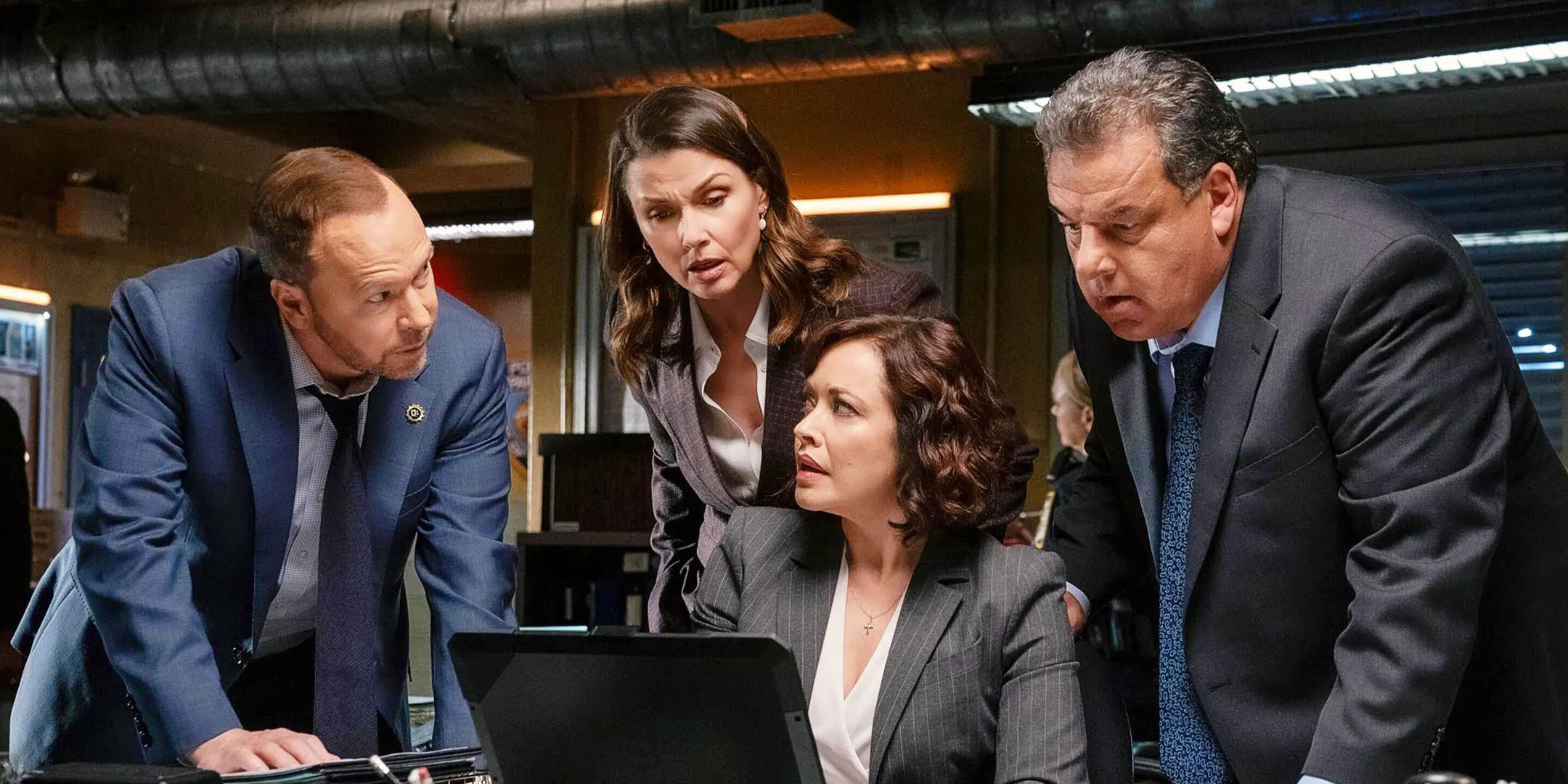 What made Blue Bloods such a template? Part of its longevity came from its ability to combine the predictability of case-of-the-week storytelling with deeper explorations of loyalty, leadership, and generational conflict. The Reagan family dinners became symbolic — a narrative reset button that forced characters to confront ethical dilemmas not through violence or action but conversation and introspection. In today’s fast-paced media environment, that kind of storytelling feels almost revolutionary.
Producers from multiple major studios have acknowledged that the “Reagan format” proved something: viewers crave stability in storytelling. They want characters to grow slowly, organically, and in ways that reflect real-life emotional development. Even more surprisingly, younger viewers — often stereotyped as preferring high-octane, fast-cut content — have been rediscovering the show in syndication and streaming, praising its balance of heart and grit.
The rise of Boston Blue, the new spin-off, underscores the franchise’s relevance. Rather than attempting a glossy reimagining, the creative team seems determined to preserve the humanistic core that made the original resonate. But beyond a single show, Blue Bloods has left its mark: new writers cite it as the gold standard for character-driven police work; actors praise its grounded approach; and networks point to its consistency as proof that audiences still value stability over novelty.
In an era obsessed with spectacle, Blue Bloods proved something timeless: good drama begins with strong values — and characters who honor them.