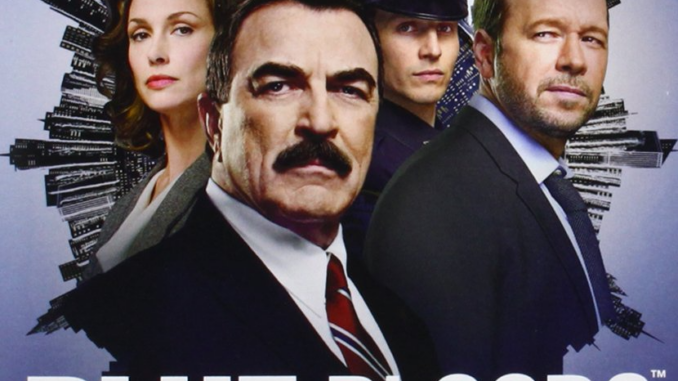
For more than a decade, Blue Bloods built a reputation as one of television’s most stable and beloved police dramas. Anchored by the Reagan family — led by Tom Selleck as Commissioner Frank Reagan and Donnie Wahlberg as detective Danny Reagan — the series thrived on tradition: family loyalty, moral dilemmas, and its now-iconic Sunday dinner debates. But just as the show reached its emotional finale after 14 seasons, a new controversy exploded across the fandom — one that may determine whether the franchise evolves or fractures.
What began as a simple continuation of the story has suddenly turned into one of the most talked-about and divisive moments in the show’s history.
The Casting Shock That Ignited the Fandom
When CBS announced the spin-off Boston Blue, many fans initially celebrated. The new series promised to follow Danny Reagan and his son Sean into a new chapter — relocating to Boston and exploring a fresh generation of law enforcement stories.
But the celebration quickly turned into outrage.
The role of Sean Reagan, played for years by Andrew Terraciano, was suddenly recast with actor Mika Amonsen. The decision instantly divided the fandom. Some viewers saw it as a bold step forward; others felt it erased part of the show’s emotional history.
For many fans, Terraciano wasn’t just another actor — he had grown up on screen alongside the audience. Learning that he discovered the recasting through family members on the day of his college graduation only intensified the drama around the decision.
Online debates exploded overnight.
Was this a creative reinvention — or a betrayal of the original series?
The Hidden Truth Behind the Show’s Most Famous Scene
Ironically, at the center of the series’ emotional power lies a scene that fans never suspected was so difficult to film: the Reagan family dinner.
For fourteen seasons, that dinner table served as the show’s moral battlefield — a place where political ideology, policing ethics, and generational values collided. But behind the scenes, the cast was enduring marathon filming sessions that could last hours.
Actors revealed that they developed strange tricks just to survive the endless takes. Some mashed food around their plates, others buttered the same roll repeatedly to avoid overeating, and drinks were often replaced with substitutes like grape juice or iced tea during filming.
These scenes were exhausting to shoot, but they were also the soul of the series — the moment where conflicting viewpoints clashed openly.
And that clash may hold the secret to the franchise’s future.
The Real Reason the Show Sparked So Much Debate
Unlike many procedural dramas, Blue Bloods thrived on ideological friction.
At the dinner table, characters often argued about policing policies, civil liberties, political power, and justice. Younger members of the Reagan family sometimes challenged the older generation’s rigid beliefs, creating tense — and often controversial — conversations.
For some viewers, these arguments were the show’s greatest strength.
For others, they were uncomfortable.
Yet those disagreements made the characters feel human. They turned a typical police drama into a multi-generational debate about law, morality, and power.
And now, as the franchise expands, many critics are asking an explosive question:
What if the next chapter pushes those disagreements even further?

Could Conflict Make the Franchise Even Better?
The upcoming stories in Boston Blue present a rare opportunity.
By placing Danny Reagan and his son in a new city, the writers can explore deeper tensions:
-
generational differences in policing
-
modern debates over law enforcement reform
-
the struggle between tradition and change
Sean, as a rookie officer, represents a new perspective. Danny represents the hardened worldview of a veteran cop shaped by decades of experience.
That generational conflict could recreate — or even surpass — the powerful debates that once defined the Reagan dinner table.
And that’s exactly why the recasting controversy might ironically strengthen the story.
A new actor brings a different energy to the role, potentially allowing the character to evolve beyond what audiences already know.
The Risk That Could Either Save or Destroy the Franchise
However, the stakes are enormous.
Blue Bloods succeeded for fourteen seasons largely because of its emotional continuity. Fans weren’t just watching a police show — they were watching a family grow.
Changing a beloved character threatens that bond.
But avoiding change could be even more dangerous.
Television history is filled with long-running franchises that collapsed because they refused to evolve.
If Boston Blue embraces deeper ideological conflict and explores uncomfortable questions about modern policing, it could reinvent the Reagan legacy for a new era.
If it simply repeats the past, audiences may walk away.
The Future of the Reagan Legacy
The end of Blue Bloods already felt like the closing of a television era. Many fans openly mourned the show’s cancellation, arguing that it still had stories left to tell.
Now, the spin-off stands at a crossroads.
Will it honor the emotional DNA of the original series — the family, the debates, the moral conflicts?
Or will it fracture the fandom that carried the show for fourteen seasons?
One thing is certain: the Reagan legacy isn’t fading quietly.
It’s heading into its most controversial chapter yet.
And if the writers are brave enough to confront the ideological battles that define modern policing, the next chapter of this franchise could become its most explosive — and most unforgettable — story ever told.