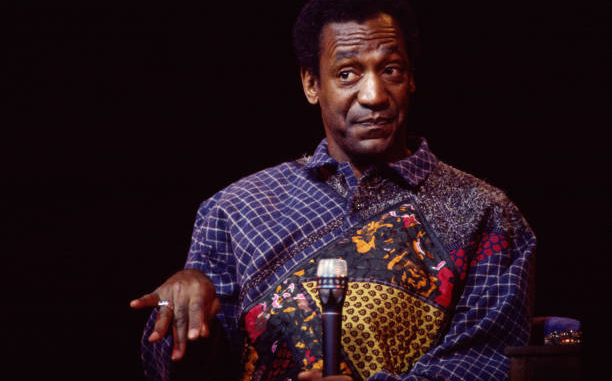
Bill Cosby Biography – The Rise, Success, and Controversy of a Television Icon
Bill Cosby was once one of the most admired figures in American entertainment. For decades, he represented success, education, and family values. Later, his name became synonymous with controversy and legal battles. His life story is layered, complex, and deeply tied to American television history.
Born William Henry Cosby Jr. on July 12, 1937, in Philadelphia, Pennsylvania, he grew up in a working-class neighborhood. His father served in the Navy, and his mother worked as a maid. Humor became his survival tool early on. He used it to entertain classmates, defuse tension, and stand out. School did not come easily to him, and he eventually left before graduating. After serving in the U.S. Navy as a hospital corpsman, he earned his equivalency diploma and later attended Temple University. That determination later shaped his public persona as a strong advocate for education.
Cosby first gained national recognition as a stand-up comedian in the early 1960s. Unlike many comedians of the era, he avoided profanity and shock humor. Instead, he told vivid stories about childhood, parenting, and everyday life. His storytelling style felt personal and relatable. Comedy albums such as “I Started Out as a Child” earned him widespread praise and multiple Grammy Awards. He became known as a clean, intelligent voice in comedy — a rare blend of humor and warmth.
His breakthrough in television came with I Spy, where he starred alongside Robert Culp. The show marked a historic milestone because Cosby became one of the first Black actors to co-star in a dramatic series in a role not defined by stereotypes. He won three consecutive Emmy Awards for his performance. At that point, he was not just successful — he was pioneering.
The true cultural explosion arrived in 1984 with The Cosby Show. The sitcom centered on the Huxtable family, an upper-middle-class Black household led by a doctor and a lawyer. The show dominated ratings and reshaped American television. It offered representation rarely seen on mainstream networks at the time. For many viewers, it felt aspirational yet relatable. Cosby, as Dr. Cliff Huxtable, became known as “America’s Dad.” The series influenced sitcom structure, network programming, and future portrayals of Black families.
Beyond television, Cosby appeared in films such as Uptown Saturday Night and Let’s Do It Again. He also created the animated series Fat Albert and the Cosby Kids, inspired by his childhood experiences. The show combined humor with life lessons and aired for over a decade. By the 1990s, Cosby had built an entertainment empire spanning stand-up, sitcoms, animation, and film production.
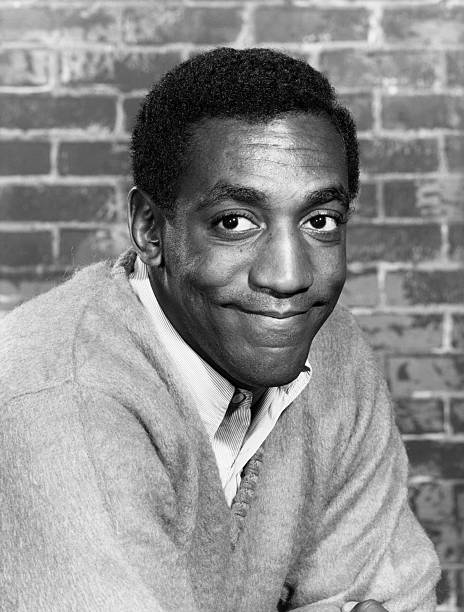
He received numerous honors throughout his career, including Emmy Awards, Grammy Awards, and prestigious lifetime achievement recognitions. Universities awarded him honorary degrees. For decades, he symbolized professionalism, discipline, and creative excellence.
However, beginning in the mid-2000s and accelerating in the 2010s, multiple women accused Cosby of sexual misconduct. The allegations spanned several decades and dramatically shifted public perception. In 2018, he was convicted on charges related to aggravated indecent assault. The conviction marked a major cultural moment, particularly during the broader social movement addressing misconduct in entertainment and other industries.
In 2021, the Pennsylvania Supreme Court overturned the conviction due to procedural issues, leading to his release after nearly three years in prison. Despite the legal reversal, public opinion remained deeply divided. Many institutions rescinded awards and honors previously granted to him. Reruns of The Cosby Show were removed from major syndication platforms.
Cosby’s personal life also experienced tragedy. He married Camille Cosby in 1964, and the couple had five children. In 1997, their son Ennis Cosby was murdered in Los Angeles, a devastating loss for the family. Throughout his career, Cosby often emphasized family values and educational responsibility, themes that later intensified debates about his legacy.
Today, his cultural standing remains complicated. Some focus on his groundbreaking contributions to television and comedy. Others emphasize accountability and the seriousness of the allegations against him. His story forces an uncomfortable but necessary conversation about fame, power, and legacy.
Bill Cosby’s life is not a simple narrative of success or failure. It is both. He broke racial barriers in television, reshaped the sitcom format, and influenced generations of entertainers. At the same time, allegations and legal controversies profoundly altered how audiences view his work. His biography stands as a reflection of both extraordinary achievement and enduring controversy — a reminder that public legacy can shift as dramatically as public opinion.
Conclusion
Bill Cosby’s journey from groundbreaking comedian to controversial public figure is one of the most dramatic arcs in entertainment history. He changed television, expanded representation, and built a cultural empire. Yet his later legal battles reshaped how that legacy is understood. His story remains a complex chapter in American media history — one that continues to spark debate about art, accountability, and memory.
FAQs
-
What is Bill Cosby most famous for?
He is best known for creating and starring in The Cosby Show, one of the most influential sitcoms in television history. -
Did Bill Cosby win major awards?
Yes. He won multiple Emmy Awards and Grammy Awards throughout his career. -
What movies did Bill Cosby star in?
He appeared in films including Uptown Saturday Night and Let’s Do It Again. -
What happened in his criminal case?
He was convicted in 2018 on assault-related charges, but the conviction was overturned in 2021 due to procedural issues. -
How is Bill Cosby viewed today?
Public opinion is divided. While many acknowledge his impact on television and comedy, others focus on the serious allegations and controversies surrounding him.